Twenty years after its premiere, Monster House arrives on Hulu this April 1. This animated film, produced by Steven Spielberg and directed by Gil Kenan, marked a milestone in 2006 by fusing comedy and supernatural horror for family audiences. Its success, backed by Oscar nominations, contrasts with the absence of sequels, despite the director's interest. Its streaming relaunch is a perfect opportunity to reevaluate its technical and narrative impact.
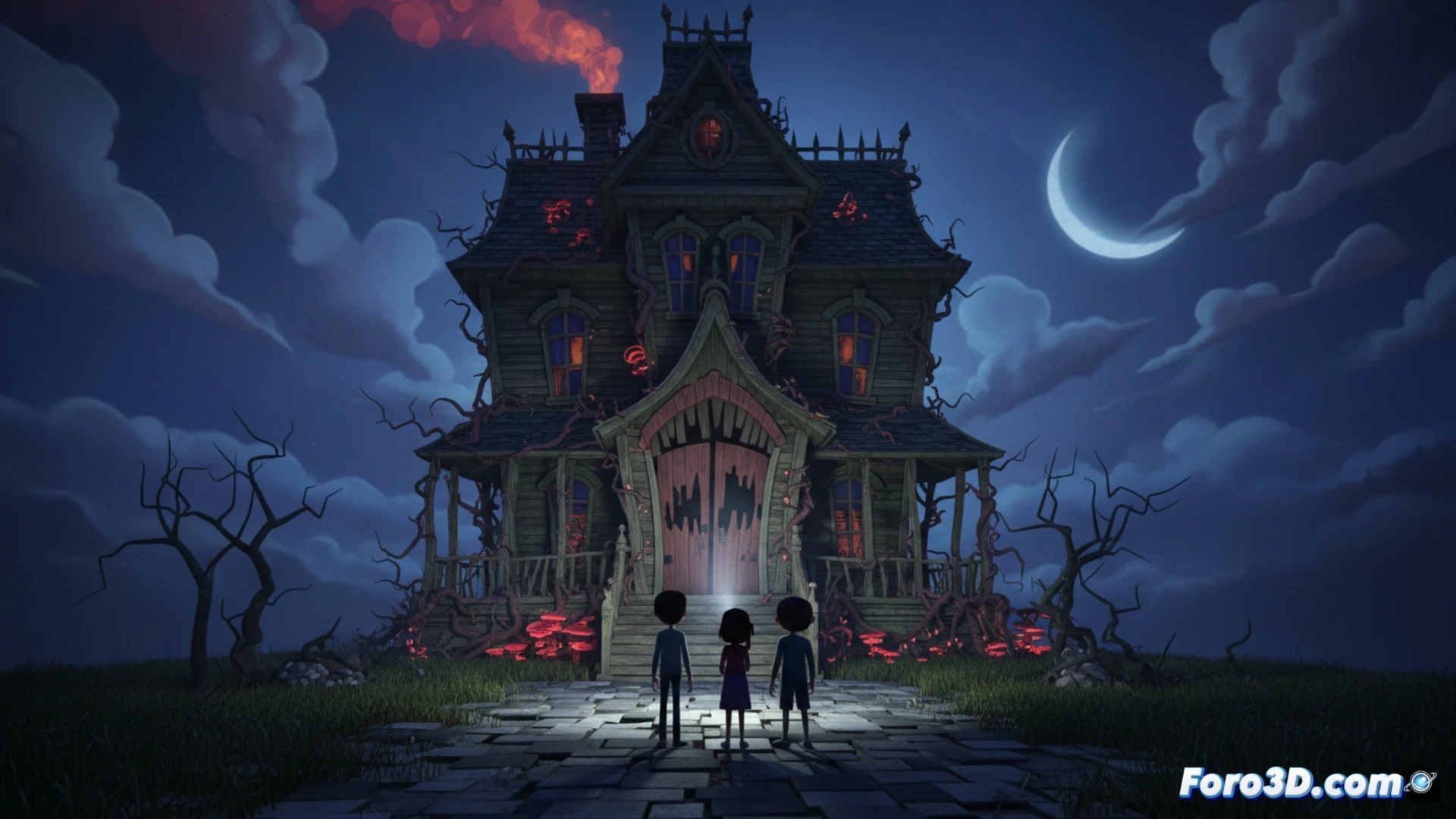
Motion Capture Technique and Its Unique Aesthetic 🎬
Monster House stood out for its pioneering use of motion capture for character animation. This technique, less common at the time in non-photorealistic animated cinema, endowed the voice performances with weight and organic physicality. However, the design of characters and settings maintained a caricatured stylization, creating a unique visual tension. The house, the true monster, was an animation and design challenge, requiring its structure and textures to convey life and malice, serving as the central core of the visual and atmospheric narrative.
Visual Narrative and Enduring Genre Fusion 👻
The film endures due to its intelligent blend of genres, channeled through an effective visual language. Dan Harmon's screenplay provides rhythm and humor, while the direction balances moments of genuine tension with the adventurous perspective of childhood. Two decades later, it stands as an example of how 3D animation can tell complex stories for all audiences, using its technical tools not as an end, but in service of a coherent atmosphere and an exciting domestic adventure.
How did Monster House's motion capture technique influence the evolution of visual narrative and acting direction within digital animated cinema?
(P.S.: Previz in cinema is like the storyboard, but with more possibilities for the director to change their mind.)