A jury in California has set a high-impact legal precedent by holding Meta and YouTube responsible for the mental health damages to a user, attributed to the addictive design of their platforms. The ruling, which assigns 3 million dollars in compensation, determines that the companies acted with malice, opening the door to additional punitive damages. This verdict is not an isolated case, but part of a wave of lawsuits that place product design at the center of regulatory compliance risk for the tech industry. ⚖️
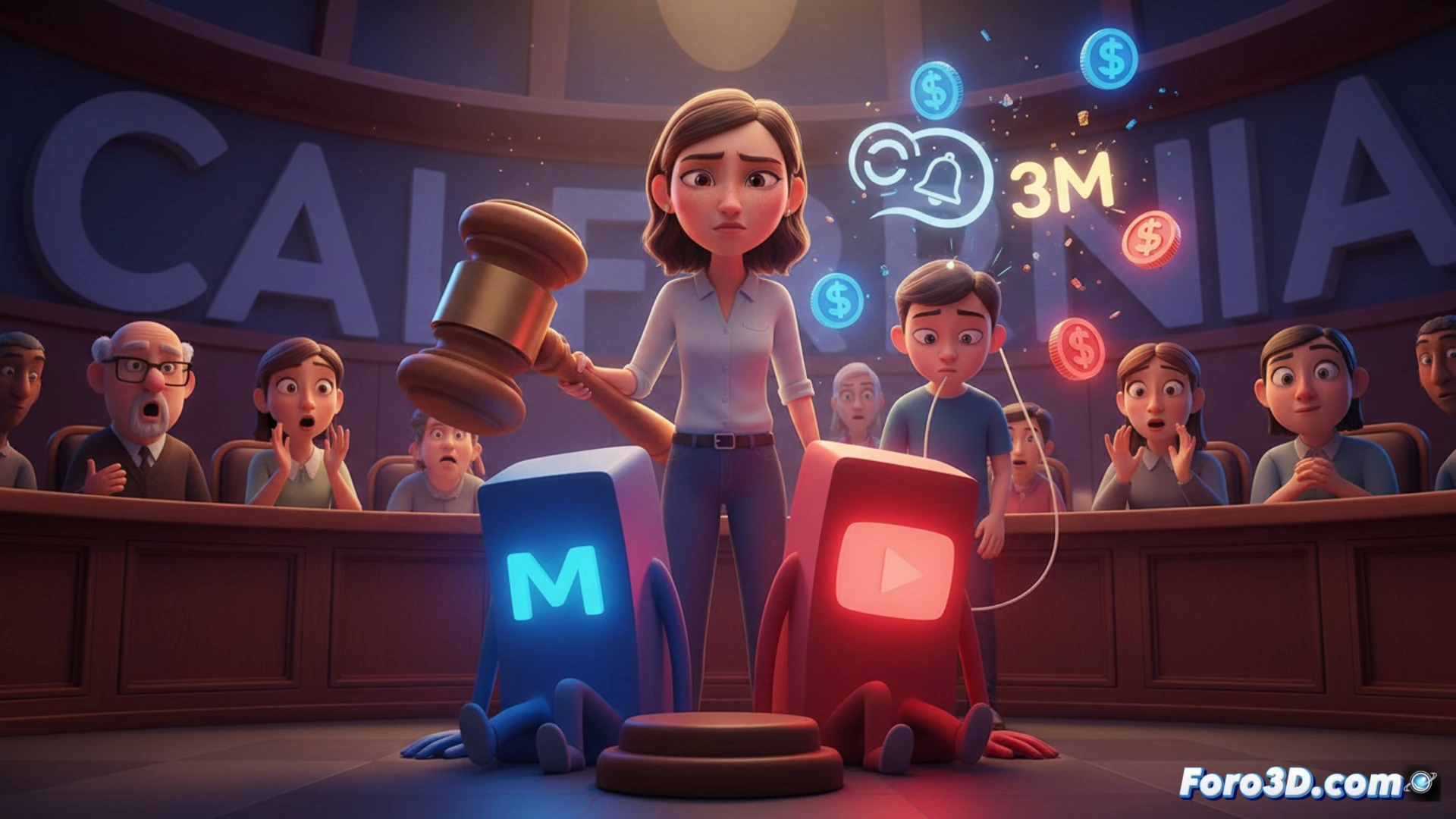
Product design as legal risk: infinite scroll and notifications under scrutiny 🧐
The technical core of the case lies in how specific design features, such as infinite scroll and notification systems, were presented as intentional hooks that exploit psychological vulnerabilities. For compliance and legal departments, this transforms product decisions into judicial evidence. The verdict indicates that optimization to maximize screen time and engagement, without adequate safeguards for minors, may constitute a breach of duty of care. This requires reevaluating risk management frameworks, incorporating ethical design audits and impact assessments on vulnerable users, beyond data privacy requirements.
Precedent and growing pressure: the need for proactive compliance 📈
This case, added to Meta's recent conviction in New Mexico, establishes a pattern of expansive legal liability. Platforms no longer face challenges only for content, but for the very architecture that incentivizes compulsive adherence. For the industry, the message is clear: compliance must evolve from mere reactive age verification to proactive design governance, anticipating how its features might be interpreted as harmful by courts and regulators. The announced appeal will define the limits, but the direction of regulatory pressure is unequivocal.
How should tech companies redesign their internal compliance policies to mitigate legal risk in the face of lawsuits for addictive digital design following the Meta and YouTube precedent?
(PD: SCRA is like autosave: when you fail, you realize it existed)