In a genre dominated by formulas, Megamind (2010) emerges as an analytical masterpiece. Far from simple parody, the film executes an intelligent deconstruction of the hero myth. Its premise, where the villain wins and must face the void of his own existence, inverts archetypes to explore themes of identity, purpose, and the symbiotic nature of rivalry. This narrative approach makes it an exceptional case study on how to subvert conventions with depth and humor.
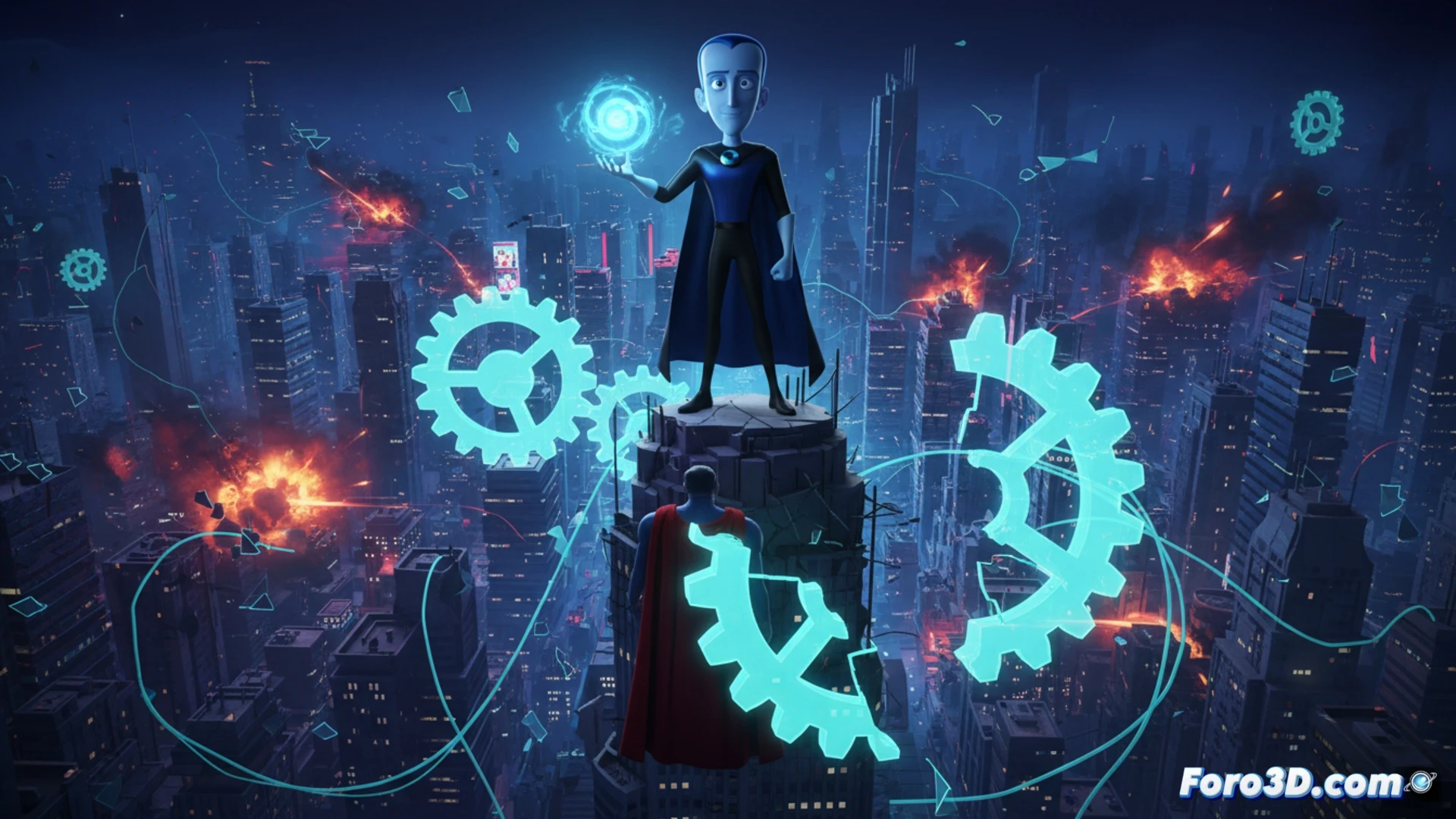
Script Architecture and Conflict Previsualization 🎬
The effectiveness of Megamind lies in a meticulous script structure, where every twist serves the character's evolution. Megamind's transition from villain to impostor hero and finally to genuine protagonist is a masterful exercise in character arc development. This is where preproduction and storyboarding are crucial. 3D previsualization would have allowed planning sequences that visually reflect his internal crisis, such as the iconic museum scene, where the composition and visual rhythm externalize his loneliness and search for meaning. The visual narrative constantly reinforces the central conflict.
Legacy and Lesson for Digital Narratives 💡
The enduring relevance of Megamind underscores a key lesson for digital creators: technology in service of the story. Its success does not lie in the animation, but in how it captures a clever script and complex characters. For 3D artists and visual storytellers, the film demonstrates that previsualization and modeling tools must prioritize emotional clarity and thematic coherence. It is a reminder that, even in popular genres, narrative innovation is the true superpower.
How does Megamind use the inversion of hero and villain archetypes to deconstruct the narrative and thematic pillars of the superhero genre?
(P.S.: Previz in cinema is like the storyboard, but with more chances for the director to change their mind.)