On March 30, 2026, the Russian messaging service Max suffered a massive outage that left thousands of users without communication. Starting at 9:00 Moscow time, widespread failures were reported in sending and receiving messages, faulty notifications, and malfunctioning of the mobile app, with particular impact in Moscow and Khabarovsk Krai. The developer company, VK, remained silent, offering no initial explanations, leaving the digital community in uncertainty and highlighting a fragile dependence on these platforms. 📱
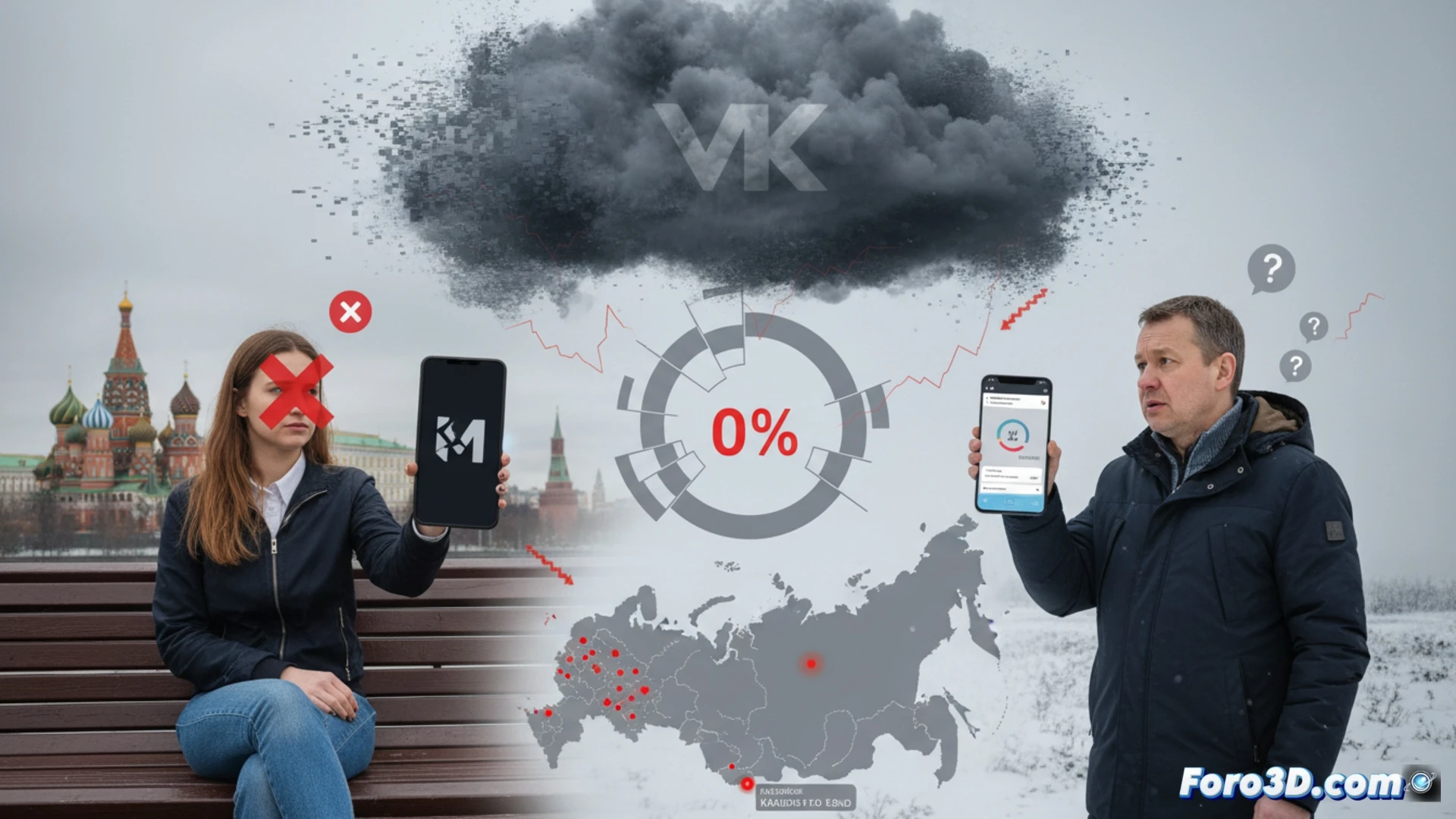
Anatomy of an Outage: Beyond the Technical Error ⚙️
Although the root cause of the Max failure was not officially communicated, the incident transcends the merely technical. These episodes test the crisis management protocols of technology companies. VK's lack of proactive communication worsened the situation, generating misinformation and frustration among users. In the era of instant messaging, where these apps are the connective tissue of social and work life, a prolonged outage is not just an inconvenience, but a micro-social collapse that reveals the depth of our integration with these tools and the implicit expectation of 100% availability.
Lessons for a Resilient Digital Ecosystem 🛡️
This case underscores that the reliability of a digital service is not measured solely by its uptime, but by its transparency and response capacity in crises. User trust, a crucial intangible asset, erodes quickly with corporate silence. To build more resilient digital ecosystems, companies must prioritize clear communication channels during failures, explaining the problem and the estimated resolution timeframe. Moderation and community management on forums and social networks become critical in these moments to contain distrust and demonstrate that there is a human team in charge.
To what extent can a massive technical failure in a critical communication platform erode social trust in digital infrastructure and accelerate the fragmentation of the internet?
(PS: the Streisand effect in action: the more you prohibit it, the more they use it, like microslop)