Bungie's Marathon launch exemplifies a modern dilemma in development: how an exceptional technical foundation can be undermined by questionable content design decisions. With polished combat and vibrant art direction, the game demonstrates a high level of competence in its fundamentals. However, its live service model stumbles by failing to offer sustainable player motivations, revealing a critical gap between momentary quality and long-term engagement.
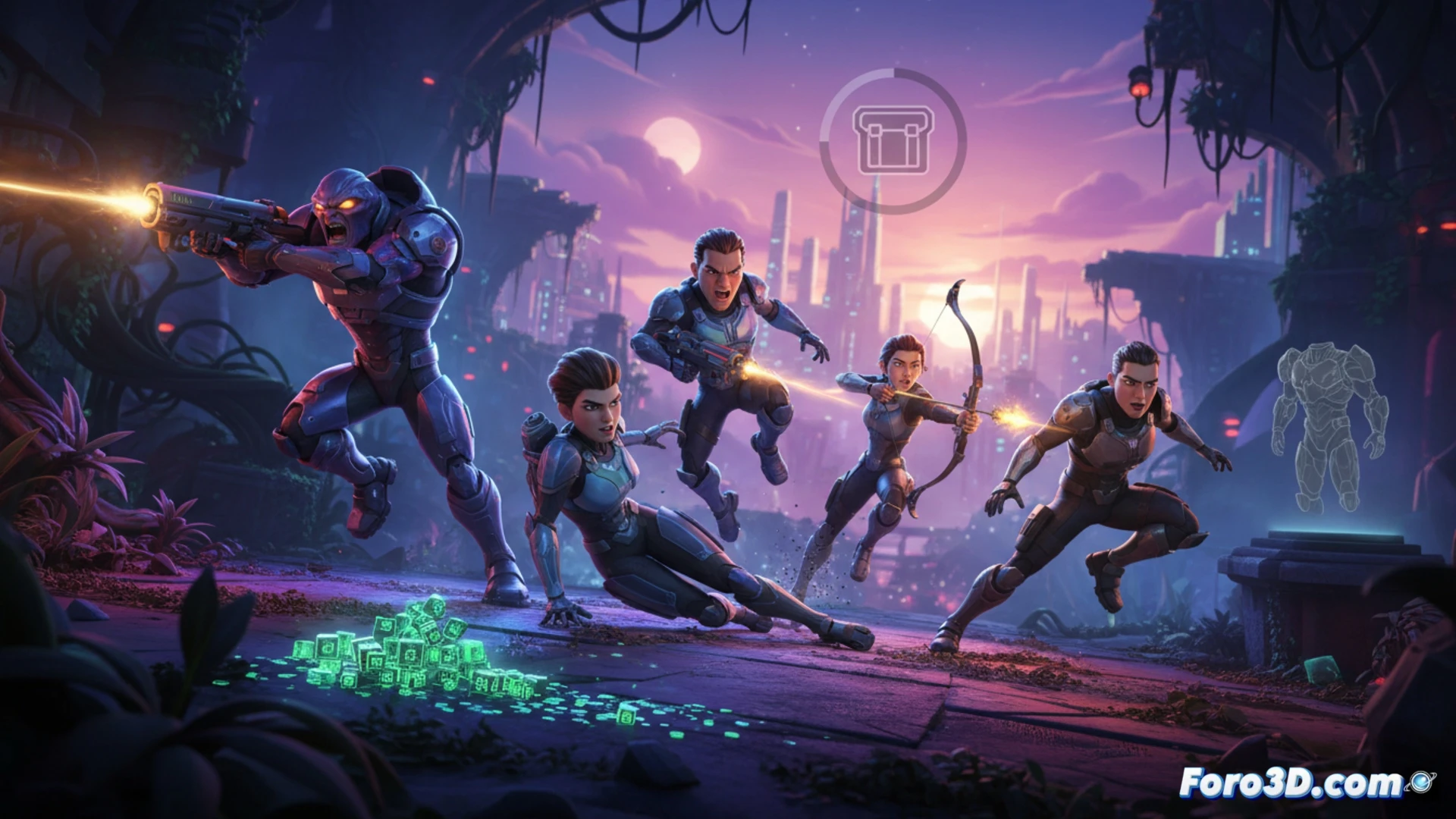
Progression Mechanics and the Void of Repetitive Grind 🎯
The core of the problem lies in its progression cycle. Marathon opts for a design based on repetitive collection missions and excessive grind, structures that feel outdated and uninspiring. This system is exacerbated by an offering of cosmetic rewards considered bland by the community, failing to activate the collecting or status impulses that usually retain players. Although post-launch has brought valuable adjustments, such as enemy rebalances and quality-of-life improvements, these patches do not address the void of meaningful content. The lesson for developers is clear: in an extraction shooter, tension and reward must be in perfect balance; solid base gameplay is a necessary foundation, but it is not enough without a purposeful meta-game.
Lessons for Sustainable Video Game Design ⚙️
Marathon serves as a warning: a promising start can quickly become a passing fad if content depth and reward quality are not prioritized from the beginning. For developers, the case underscores the need to design retention systems with the same meticulousness as combat or art. Long-term commitment is built with varied gameplay cycles, emergent narratives, and a tangible sense of progress, elements that currently shine by their absence in this title.
How can a studio with Bungie's technical experience in live services balance innovation with established expectations to retain players from launch?
(P.S.: a game developer is someone who spends 1000 hours making a game that people complete in 2)