Magnesium is fundamental for energy production, nervous function, and muscle contraction. Although experts prioritize obtaining it through a balanced diet, factors like depleted soils make its deficiency common. Supplements are only useful when this deficiency is diagnosed. In the field of 3D Biomedicine, advanced visual representation becomes a key tool for educating about its importance and metabolism in the body.
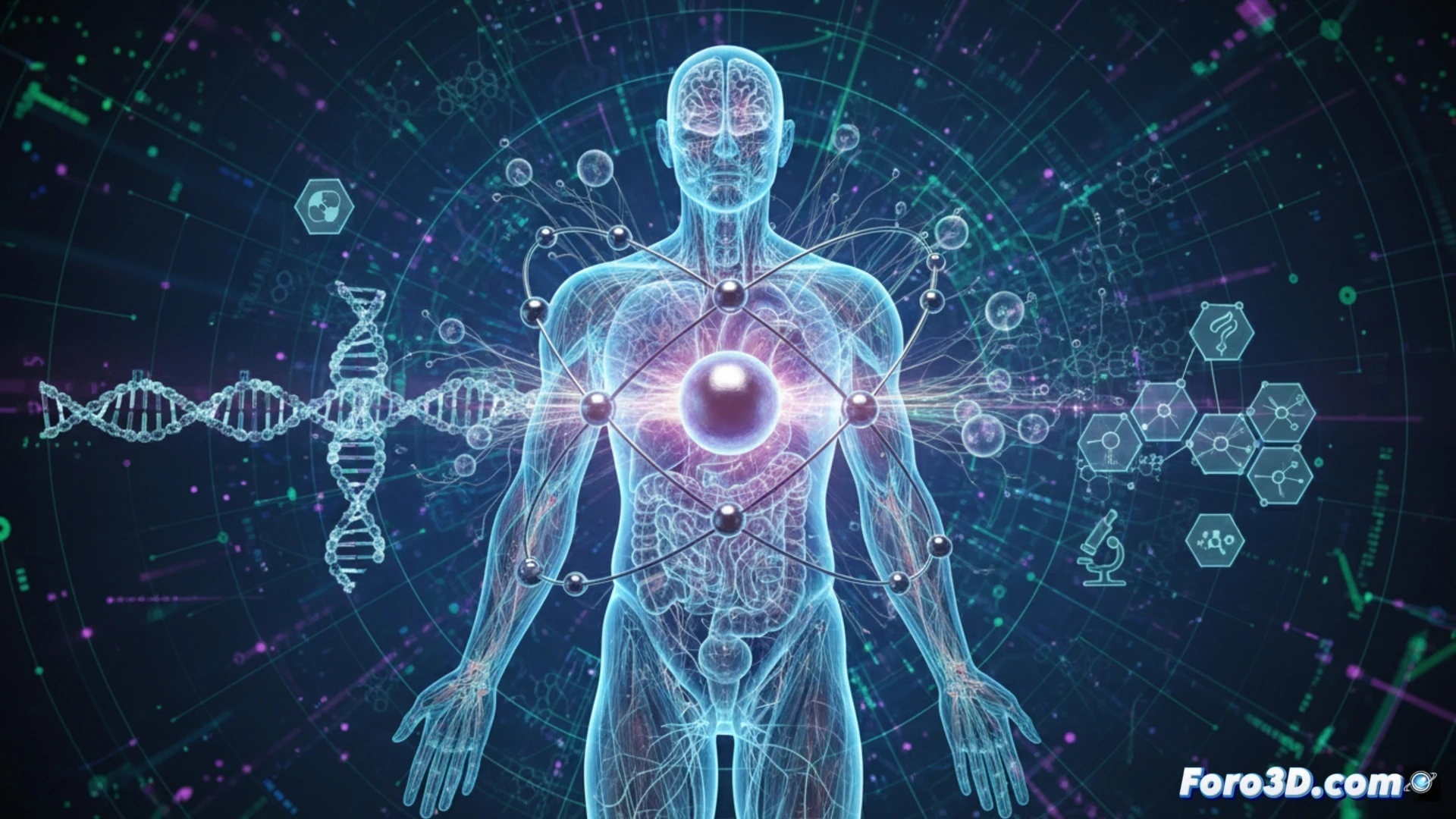
3D Modeling to Understand Magnesium Absorption and Function 🔬
3D visualization technologies allow the creation of interactive models of body systems to illustrate how magnesium is absorbed and distributed. We can observe digital twins of the neuromuscular junction, where the mineral is crucial for signaling, or models of magnesium-dependent ion channels. These didactic tools help explain why its deficiency affects sleep and energy, and why excess is excreted, dynamically showing processes that traditional texts can only describe.
Beyond the Supplement: Visual Education for Health 👁️
The key lesson is that there are no magic solutions. 3D biomedicine does not promote supplements, but fosters a deep understanding of human physiology. By visualizing the interconnection of nutrients like magnesium with our organs, it reinforces the message that a varied diet is the foundation of health, and that supplementation should be an informed and justified decision, not a generalized placebo.
How can 3D printing of biodegradable magnesium scaffolds revolutionize bone regeneration and the controlled delivery of this essential mineral in the body?
(P.S.: and if the printed organ doesn't beat, you can always add a little motor... just kidding!)