CI Games and Hexworks have unveiled details about Lords of the Fallen II, focusing on the profound evolution of the Umbral realm. Drawing inspiration from community feedback, the developers transform this plane into a more aggressive narrative and playable force. Umbral 2.0 stands as a grotesque mirror world that actively merges with the mortal realm of Axiom, where the Umbral Lamp will be the key tool for exploration and overcoming obstacles. This approach promises an expanded and technically more challenging soulslike experience. 🎮
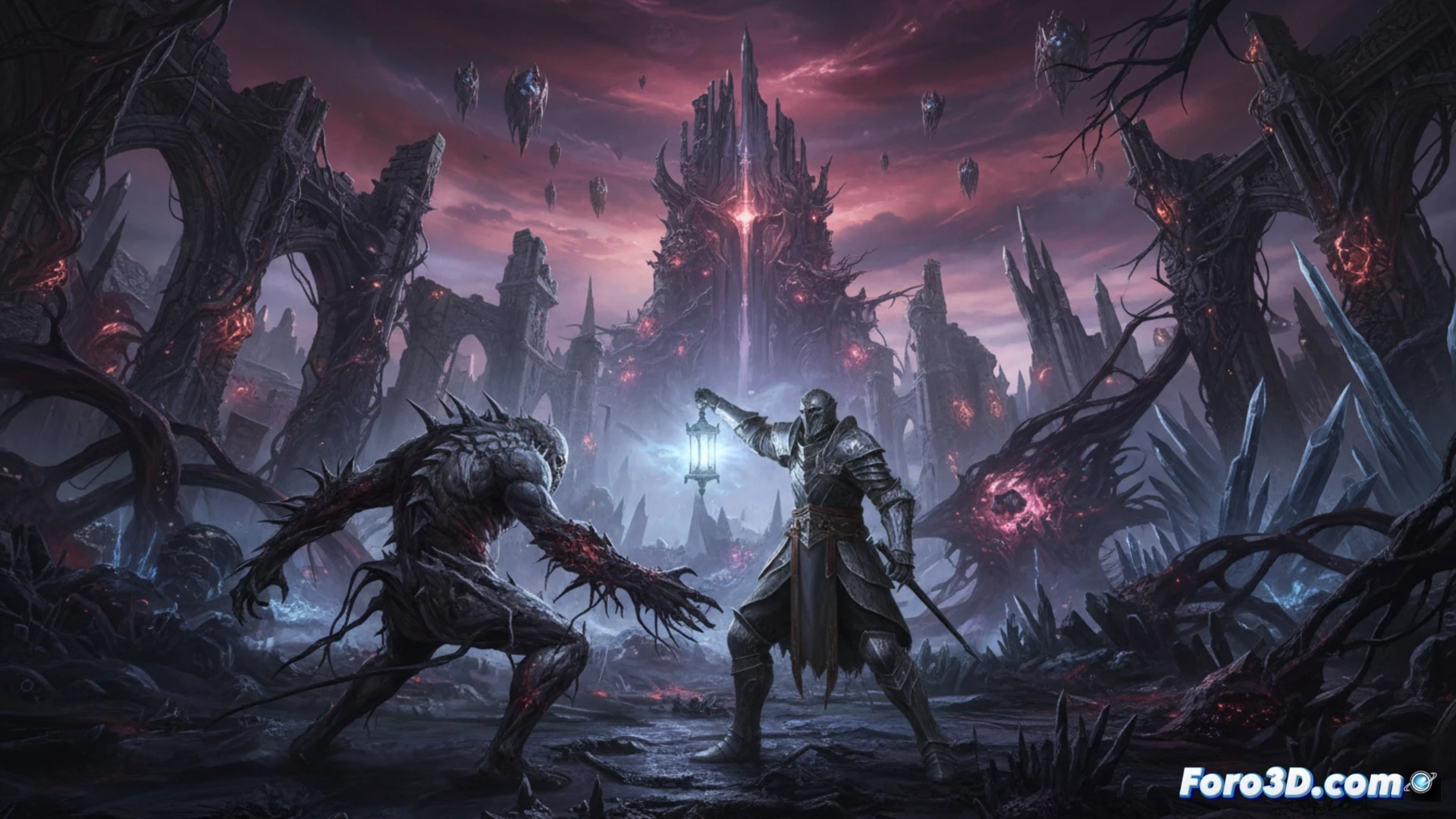
Umbral 2.0: Technical Challenges in Creating a Living and Reactive Realm ⚙️
The implementation of Umbral 2.0 represents a monumental challenge in level design and programming. It is not just a simple visual filter, but a dynamic environment that must coexist and geometrically merge with Axiom in real time. The Umbral Lamp acts as a selective rendering device, implying complex culling systems, asset loading, and smooth transitions. Reactive AI, with transforming enemies, and organic environmental hazards demand a modular behavior architecture. Additionally, the promise of radically distinct biomes within Umbral requires an art pipeline capable of generating coherent grotesque variations of each area, essentially doubling the asset work but with a unified visual identity.
Feedback-Based Iteration: When the Community Shapes Design 👥
The case of Lords of the Fallen II exemplifies modern iterative development. Hexworks not only listened to criticisms of the original Umbral but used them as a cornerstone for a technical and conceptual reinvention. This process goes beyond tweaking damage numbers; it involves reimagining core mechanics like exploration and tension, transforming a lore element into the interactive core. It is a reminder that, in contemporary development, the community is a crucial collaborator in resolving design problems, guiding the evolution of complex systems toward a more organic and oppressive experience.
How can the Umbral 2.0 system in Lords of the Fallen II redefine level design and environmental narrative in action and role-playing video games?
(P.S.: a game developer is someone who spends 1000 hours making a game that people complete in 2)