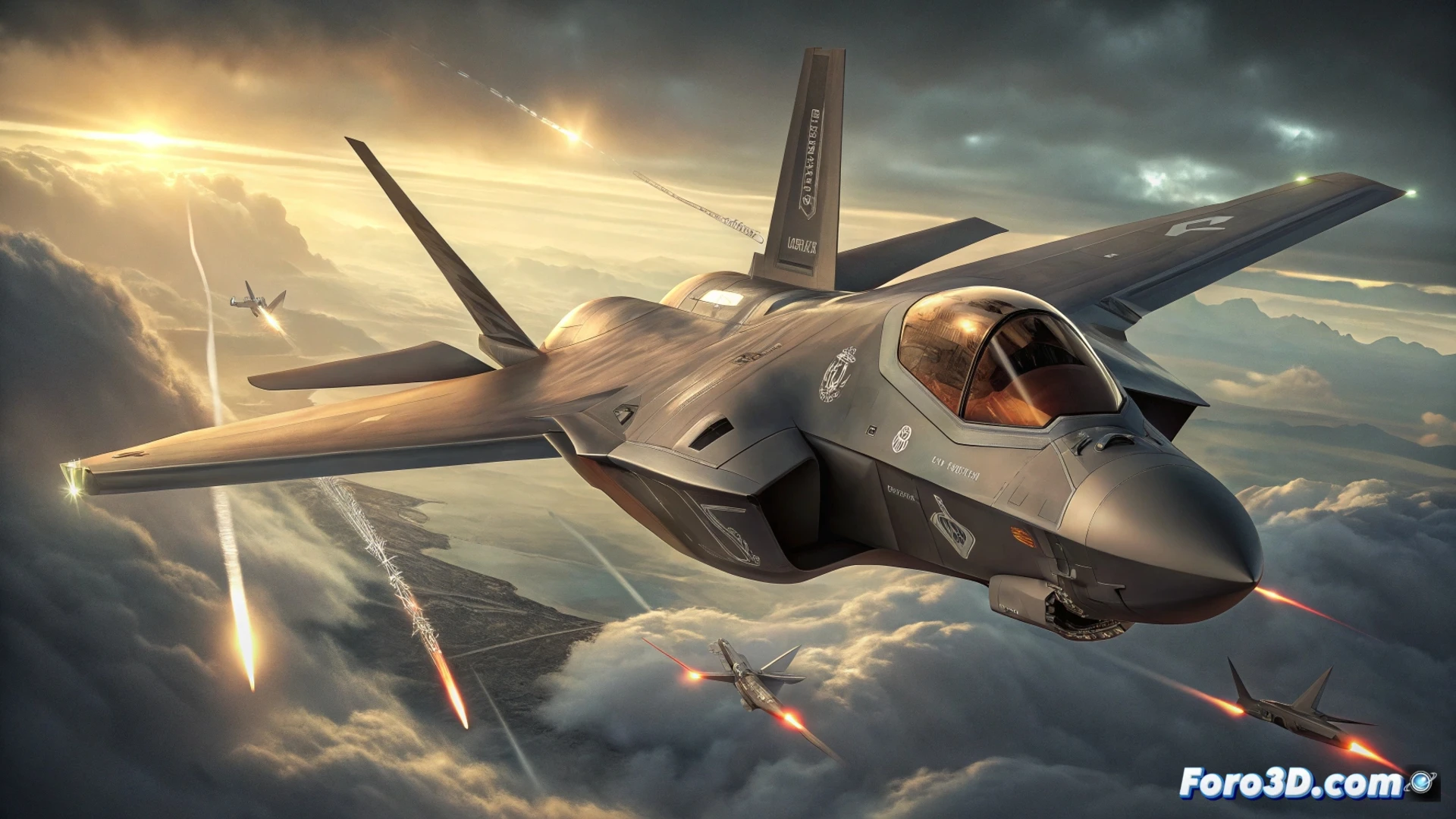
The militarization of artificial intelligence is advancing at combat speed. Lockheed Martin has successfully tested its Project Overwatch, an AI system integrated into the F-35 stealth fighter. This system is capable of autonomously identifying potential targets, distinguishing them from allied forces, and presenting the information to the pilot. The test underscores an unstoppable trend: the delegation of complex cognitive tasks, such as identification in saturated environments, to machine learning algorithms.
How Overwatch Works: Data Fusion and Updates in Minutes 🛠️
Project Overwatch does not operate in isolation. It integrates into the F-35's sophisticated sensor fusion system, analyzing data from electronic emitters to resolve ambiguities and reduce the pilot's decision time. Its key technical advantage lies in its agility. Engineers can label newly identified emitters in the field and retrain the AI model in minutes, allowing near real-time updates to its knowledge base. This represents a leap forward compared to traditional software update cycles, which can take months, dynamically adapting to emerging threats in the combat environment.
The Ethical Dilemma: Decision Accelerator or Step Toward Lethal Autonomy? ⚖️
Although presented as an assistant for situational awareness, this technological advance reignites the critical debate on human control in the combat cycle. The line between a system that identifies targets and one that could eventually select and engage them is delicate. The growing militarization of AI, exemplified by Overwatch, raises profound questions about responsibility, conflict escalation, and the emergence of a new digital arms race, where algorithmic speed may eclipse human deliberation.
To what extent does the delegation of lethal decisions to AI systems like the one tested on the F-35 redefine the ethical boundaries and human control in the wars of the future? 🚀
(P.S.: the Streisand effect in action: the more you prohibit it, the more it's used, like microslop)