Art heritage conservation takes a leap toward the predictive with a new digital tool. Researchers from the Norwegian University of Science and Technology have developed the Light Damage Estimator, a software that models how light degrades pigments over centuries. Based on a comprehensive analysis of Munch's The Scream, this advancement allows simulating future deterioration, transforming preventive conservation from reactive to proactive.
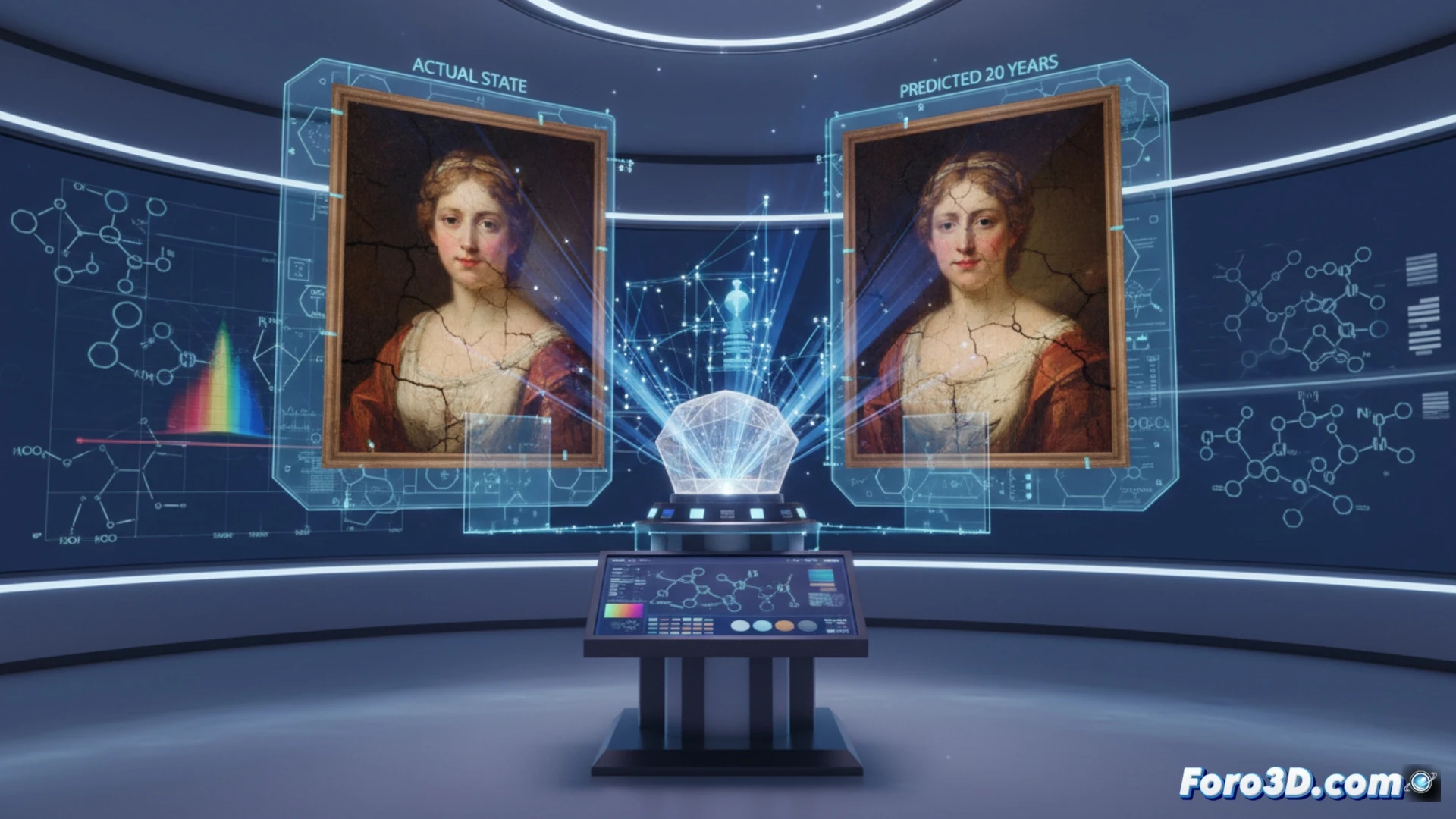
From Chemical Analysis to Digital Simulation: The Technical Path 🔬
The process begins with the digitization and scientific analysis of the artwork. Using X-ray fluorescence, the precise chemical composition of the pigments is mapped, identifying elements such as the mercury in vermilion red or the cadmium in the yellows. Then, samples of these materials are subjected to accelerated aging in climatic chambers, exposing them to different levels of light and humidity. The resulting data, which documents physical and chemical changes, is used to train the estimator's algorithmic model. The final tool allows entering variables such as the specific color, the type of light source, its intensity, and exposure time to calculate a temporal equivalence and visualize the future state of the painting.
A Future for Data-Based Conservation 📊
This tool not only reveals that different areas of the same painting age at different rates, but also provides a quantifiable framework for decision-making. Conservators can use these simulations to optimize lighting and climate conditions in museums, prioritize restorations, or plan the rotation of sensitive works. It represents the key convergence between traditional heritage analysis and digital modeling, offering a window into the future to better protect our past.
How can a predictive light damage model revolutionize exposure protocols for artworks in museums and private collections?
(P.S.: Virtually restoring is like being a surgeon, but without blood stains.)