The critical reception of Life is Strange: Reunion offers a valuable lesson for developers. Beyond the fans' disappointment, the title demonstrates how poorly executed design and narrative decisions can undermine a solid franchise. Its excessive reliance on nostalgia and retcons that nullify previous player choices are not just creative problems, but strategic errors that damage community trust and the coherence of the established universe.
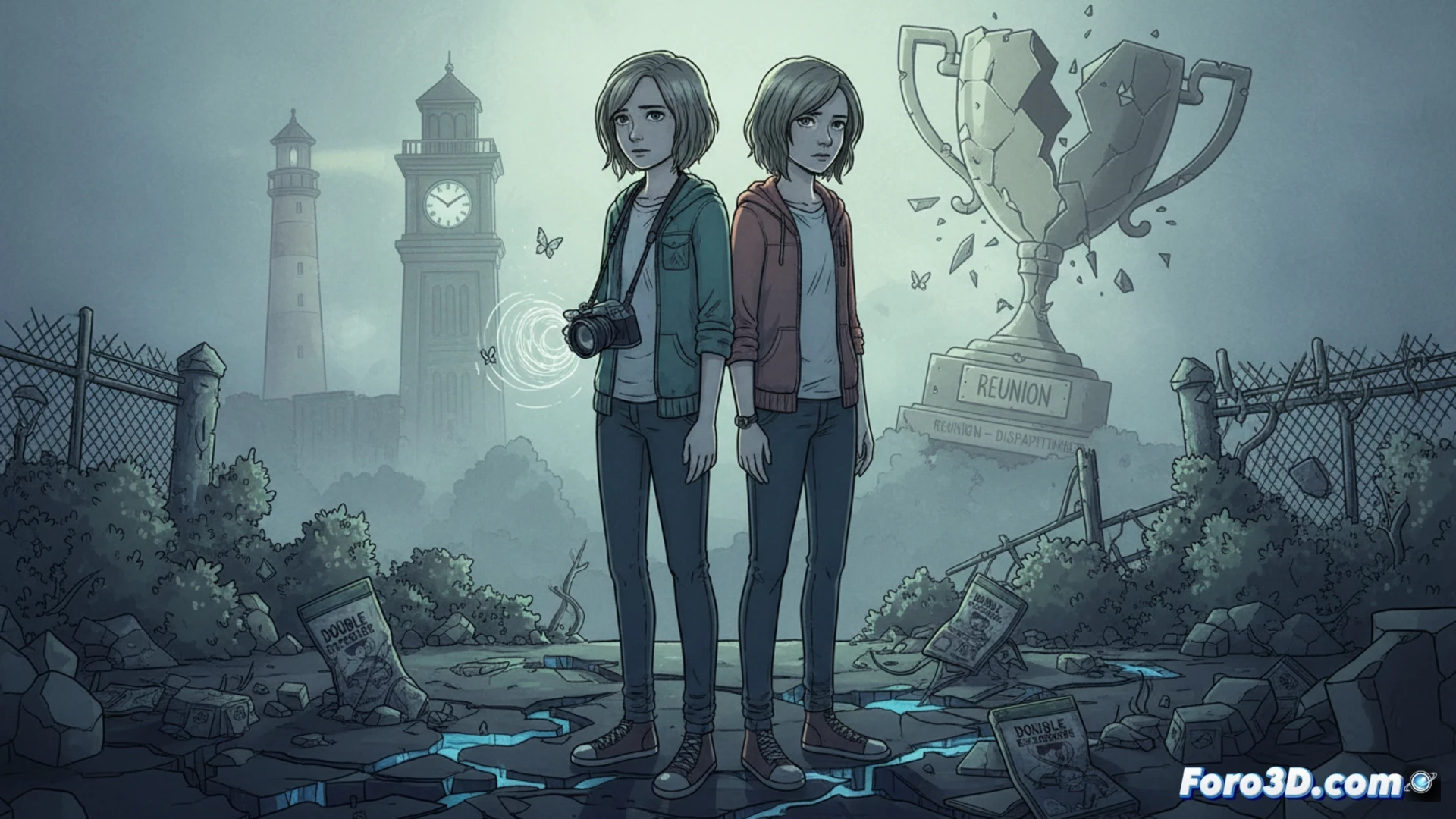
Technical and Design Analysis: Reuse and Failed Mechanics 🔍
From a development perspective, Reunion is a catalog of counterproductive shortcuts. The excessive reuse of environments and assets, combined with low-quality animations, results in an artificial world that breaks immersion, a cornerstone of the saga. The biggest failure is the underutilization of the central rewind mechanic, reduced to a mere functionality without narrative weight or design challenge. This turns a franchise hallmark into an accessory, demonstrating how an innovative mechanic can become irrelevant if not purposefully integrated into the game's evolution.
Reflection: Nostalgia Does Not Substitute Coherent Design 💡
The Reunion case underscores that bringing back iconic characters like Max and Chloe is not enough. The lesson for developers is clear: retcons and easy emotional appeals, without a solid narrative and respect for continuity, are perceived as cowardly and short-sighted decisions. A project must prioritize internal coherence and organic evolution of its systems and story, or risk being remembered as a weak product that dilutes the value of its own saga.
What practical lessons on managing expectations and community communication can a development studio extract from the critical reception of Life is Strange: Reunion? 🎮
(P.S.: a game developer is someone who spends 1000 hours making a game that people complete in 2)