The French comic scene is shaken by a high-impact legal conflict. The organization 9e Art+ and the International Comic Strip Festival Association (FIBD) have filed a lawsuit to block a new festival planned in Angoulême. They demand 300,000 euros in damages, arguing losses from the collapse of the historic FIBD. This legal action marks a critical point in a dispute that transcends the economic, touching the heart of the cultural legacy and governance of Europe's most important comic event. 🚨
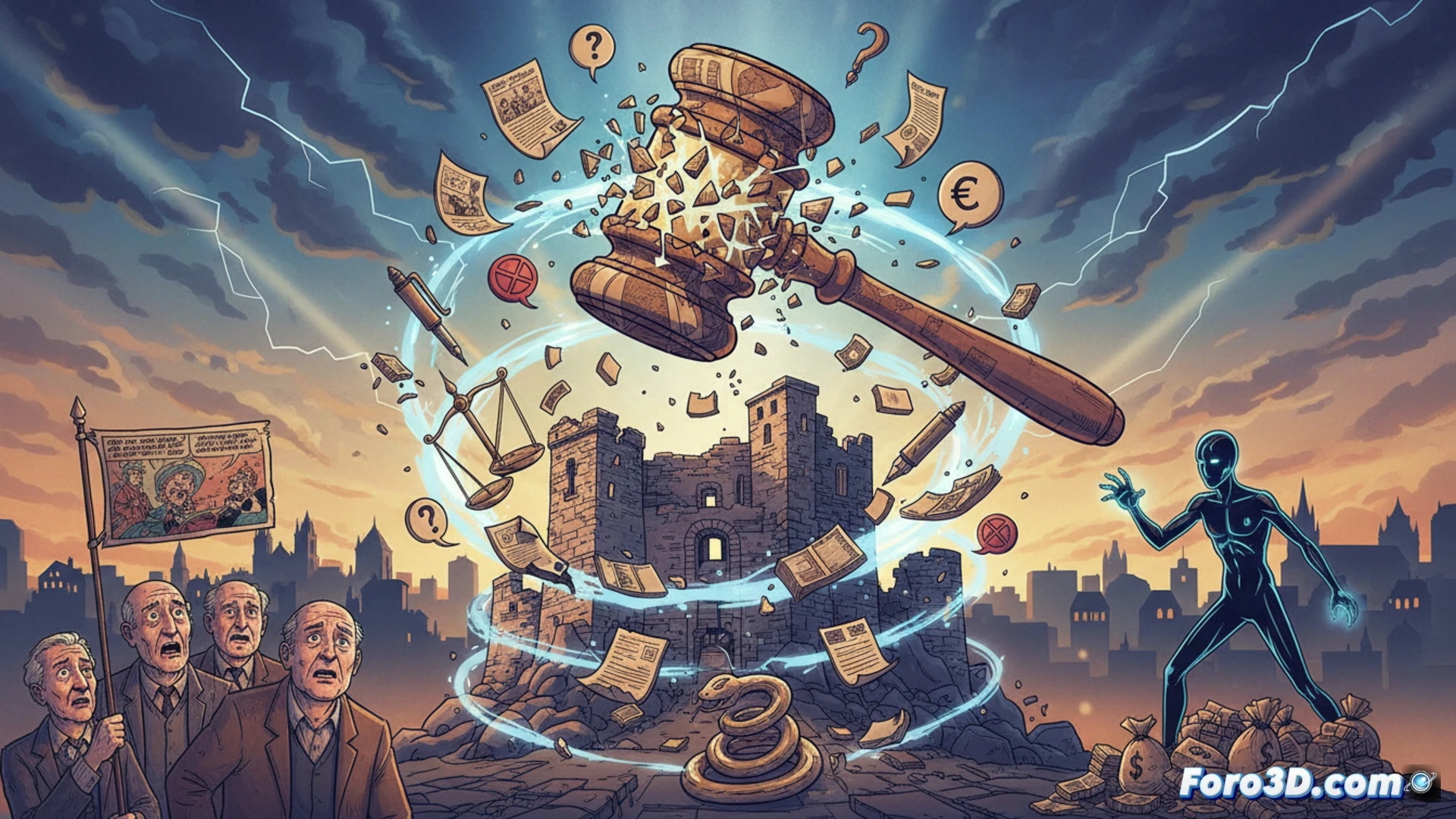
Analysis of the institutional fracture in the management of visual cultural heritage ⚖️
The technical core of this crisis lies in the management and ownership of the legacy of a consolidated cultural event. The FIBD was not just a festival; it was a complex ecosystem of prestige, institutional relationships, and local economy. Its cancellation and the attempt to create a substitute event without the participation of historical actors opens a debate on who controls the narrative and continuity of a collective visual heritage. The lawsuit acts as a tool to defend a management model and a specific heritage, evidencing how the dissolution of key partnerships can lead to operational collapse and legal battles over the brand, programming, and captive audience.
Implications for the visual narrative festivals ecosystem 📉
This litigation sets a worrying precedent for other animation film, illustration, or sequential narrative festivals. The dependence on public subsidies, the fragility of organizing consortia, and the possible disconnection between managing entities and the artistic community are exposed. The risk is that the judicialization of internal conflicts damages the sector's credibility, drives away sponsors, and creates an atmosphere of uncertainty that harms authors and publishers, the true pillars of this visual cultural industry.
How can a legal conflict over the intellectual property of an emblematic event redefine the management and sustainability of cultural festivals dedicated to visual narrative?
(P.S.: Previz in film is like the storyboard, but with more chances of the director changing their mind.)