The Lamborghini Urus SE represents a fascinating engineering paradox. This plug-in hybrid SUV, with 800 combined HP from its twin-turbo V8 and electric motor, adopts electrification not to be discreet or efficient, but to achieve an unprecedented level of brutal response and acceleration in the brand. Its philosophy challenges convention, using Eco technology as a power multiplier, an ideal concept for analysis through complex systems simulation.
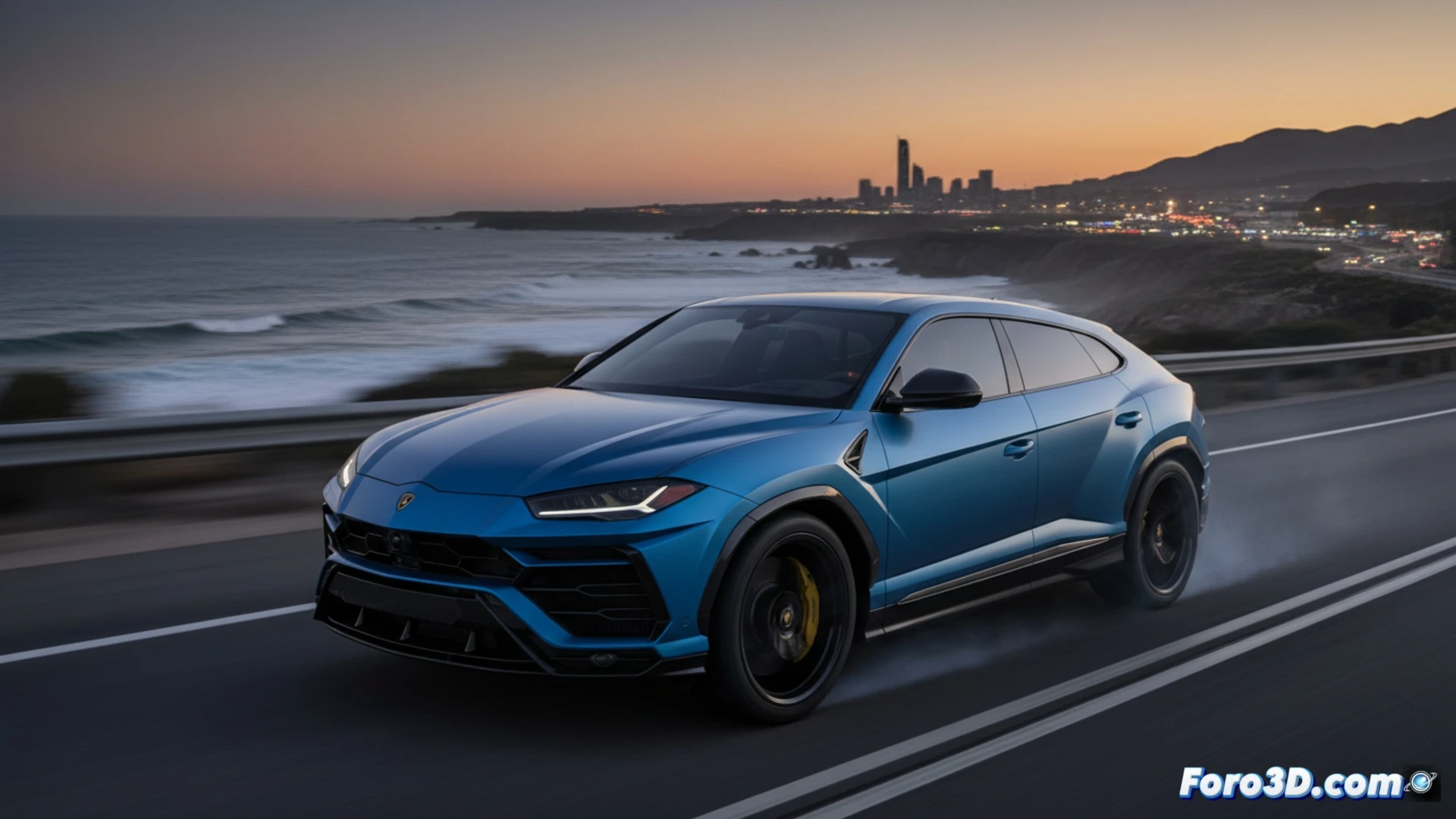
3D Modeling of the Hybrid Architecture and Thermal Management 🔥
From the perspective of 3D modeling and simulation, the Urus SE is an exceptional case study. Its development required precise digital modeling of the physical and electrical integration between the combustion engine, the electric unit, the 25.9 kWh battery, and the multiple ECUs. Simulating the thermal management of this assembly under extreme conditions, the weight distribution with the battery located in the central tunnel, and the dynamic behavior of the hybrid powertrain are key challenges. The aerodynamics of its angular design is also optimized digitally to manage airflow and aerodynamic load at high speeds.
Digital Simulation: the Laboratory of Wild Performance ⚡
This vehicle demonstrates that advanced simulation is the laboratory where seemingly contradictory philosophies are validated. Before building a prototype, engineers digitally model every scenario to ensure that electrification serves pure performance. The Urus SE is, in essence, a product of countless hours of digital analysis, where the synergy between two propulsion worlds was fine-tuned to create a unique and radical driving experience.
How does Lamborghini integrate simulation and 3D modeling in the development of the Urus SE's hybrid system to optimize weight distribution and vehicle dynamics without compromising its extreme character?
(P.S.: car electronics are like family: there's always a fuse that blows)