The Justified series is not only a milestone in criminal television westerns, but a masterclass in visual narrative construction. Its success, based on Elmore Leonard's stories, transcends the script to anchor itself in meticulous audiovisual execution. Every shot, every tension scene, and the very design of its Kentucky locations were key narrative elements. This analysis breaks down how its focus on pre-production and visual aesthetics defined a style and left a lasting legacy in the industry.🎬
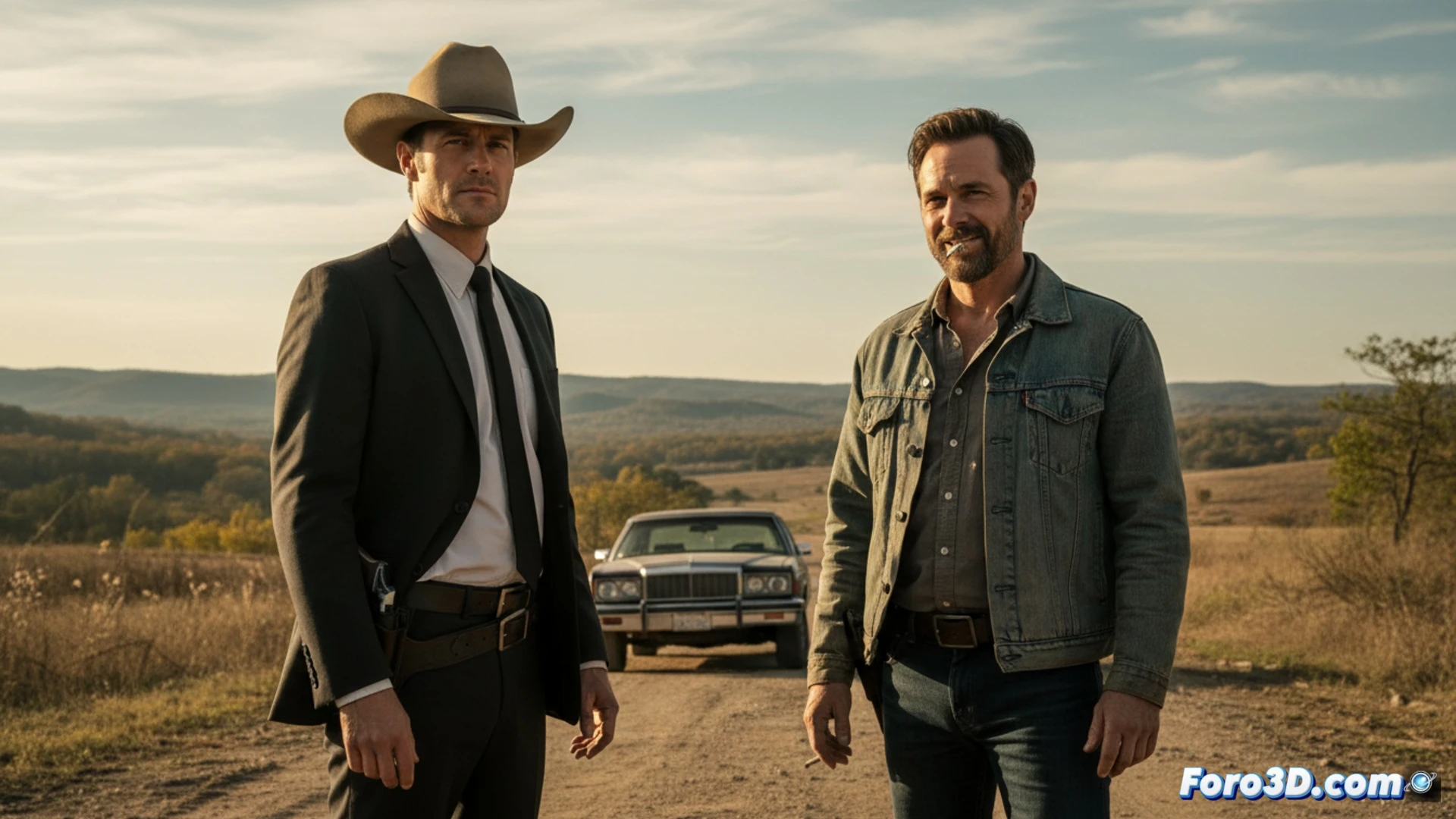
Previsualization and Aesthetics: The Visual Pillars of Harlan🤠
The visual power of Justified was not accidental. Its modern western aesthetic, where elongated shadows and claustrophobic spaces replace open deserts, required exhaustive planning. This is where previsualization techniques, storyboarding, and deliberate production design were crucial. Iconic scenes, such as dialectical duels and confrontations, benefited from planning that anticipated framing, lighting, and camera movement to maximize tension. The cinematography, with its earthy palette and marked contrasts, and the production design, which turned trailer homes and dark bars into characters themselves, worked in conjunction. This synergy between departments, facilitated by solid pre-production, is a model of how visual narrative is built from the first sketch.
The Legacy in Contemporary Pre-production📐
The influence of Justified extends to how subsequent series approach visual narrative. It demonstrated that character depth and sharp dialogue must be backed by an equally strong visual identity. Its success spurred creators to invest more time in pre-production phases, using 3D previsualization tools and complex storyboarding to precisely plan tone and atmosphere. Justified raised the bar, reminding us that in the golden age of television, every visual decision, from costume to camera placement, is a line of dialogue in itself.
How does the Justified series use the visual codes of the classic western to build dramatic tension and define its characters in a contemporary setting?
(P.S.: Previz in cinema is like the storyboard, but with more possibilities for the director to change their mind.)