The planning of the new DC Cinematic Universe (DCU) under James Gunn reveals a concerning strategic omission: the marginalization of Wonder Woman. While Superman leads the relaunch with Superman: Legacy and other less established characters already have greenlit projects, the most iconic superheroine lacks a confirmed solo film. This decision is not a mere slip in the schedule, but a fundamental error in the narrative architecture of a franchise that aims to compete from scratch.
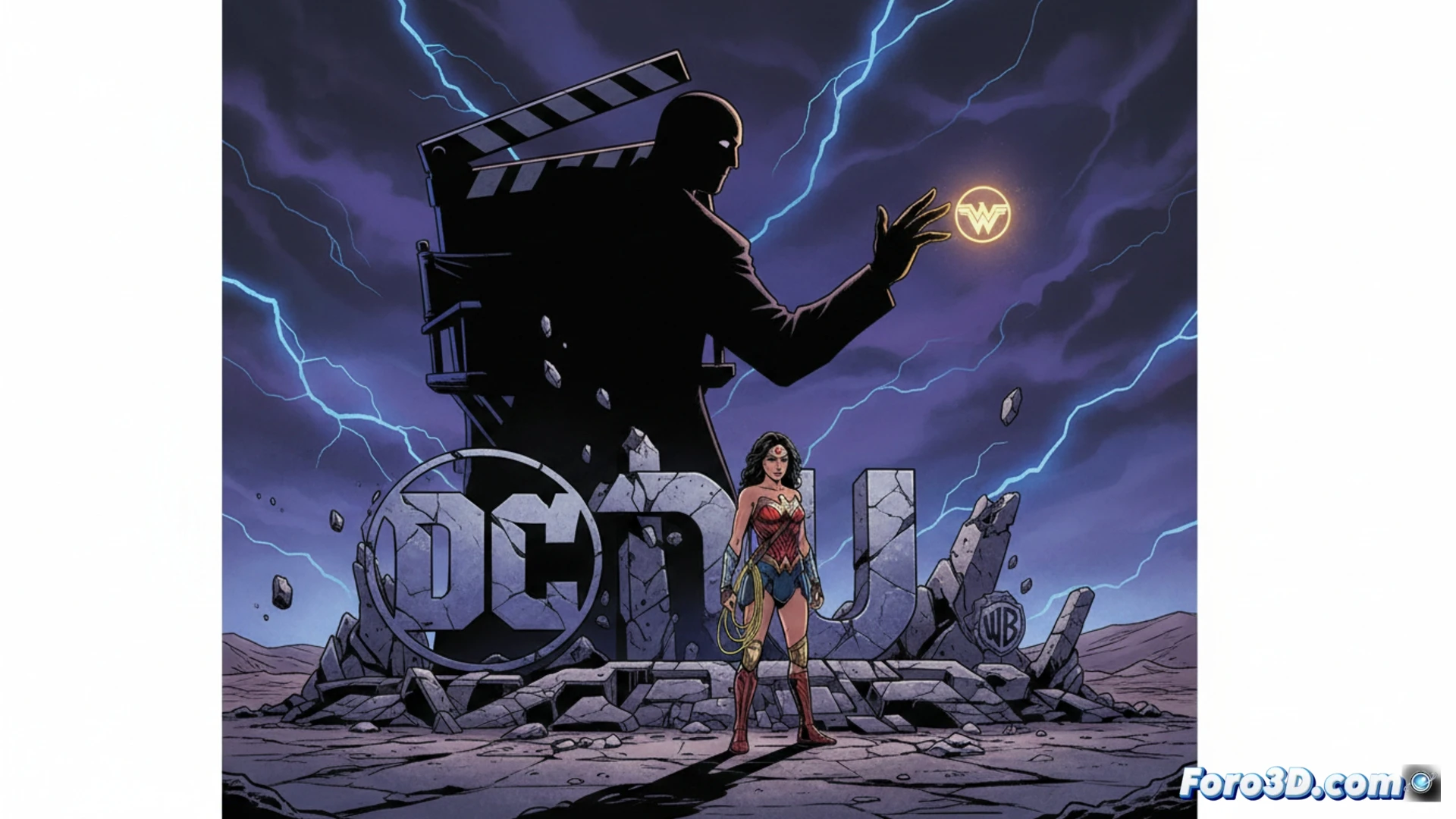
An unbalanced storyboard: narrative priorities in preproduction 🎬
The preproduction phase of an extensive cinematic universe is comparable to drawing a master storyboard, where each element must have a defined weight and timing. By relegating Wonder Woman to a distant prequel series, Paradise Lost, and without announcing her movie, the DCU unbalances its own visual scheme from the start. Characters like the Creature Commandos or the Authority, although interesting, cannot sustain the foundational pillars. Successful franchises, like the early MCU, understood that trios like Iron Man, Captain America, and Thor had to be established first to then expand. A universe that does not place its main trinity at the center of its visual narrative starts with an evident structural weakness.
Icons versus bets: the risk of neglecting the pillars ⚖️
Betting on secondary characters is valuable to enrich the universe, but not at the cost of diluting its icons. The absence of an immediate project for Wonder Woman sends a negative message about the DCU's priorities and its understanding of the cultural heritage it manages. In the visual narrative of a saga, each movie is a statement of intentions. And the current intention seems to underestimate the foundational power of a character whose importance transcends the screen, something that any franchise planning should consider primordial from day one.
How does the strategic omission of Wonder Woman in James Gunn's DCU planning affect the narrative coherence and power balance within its cinematic universe?
(P.S.: Previz in cinema is like the storyboard, but with more possibilities for the director to change their mind.)