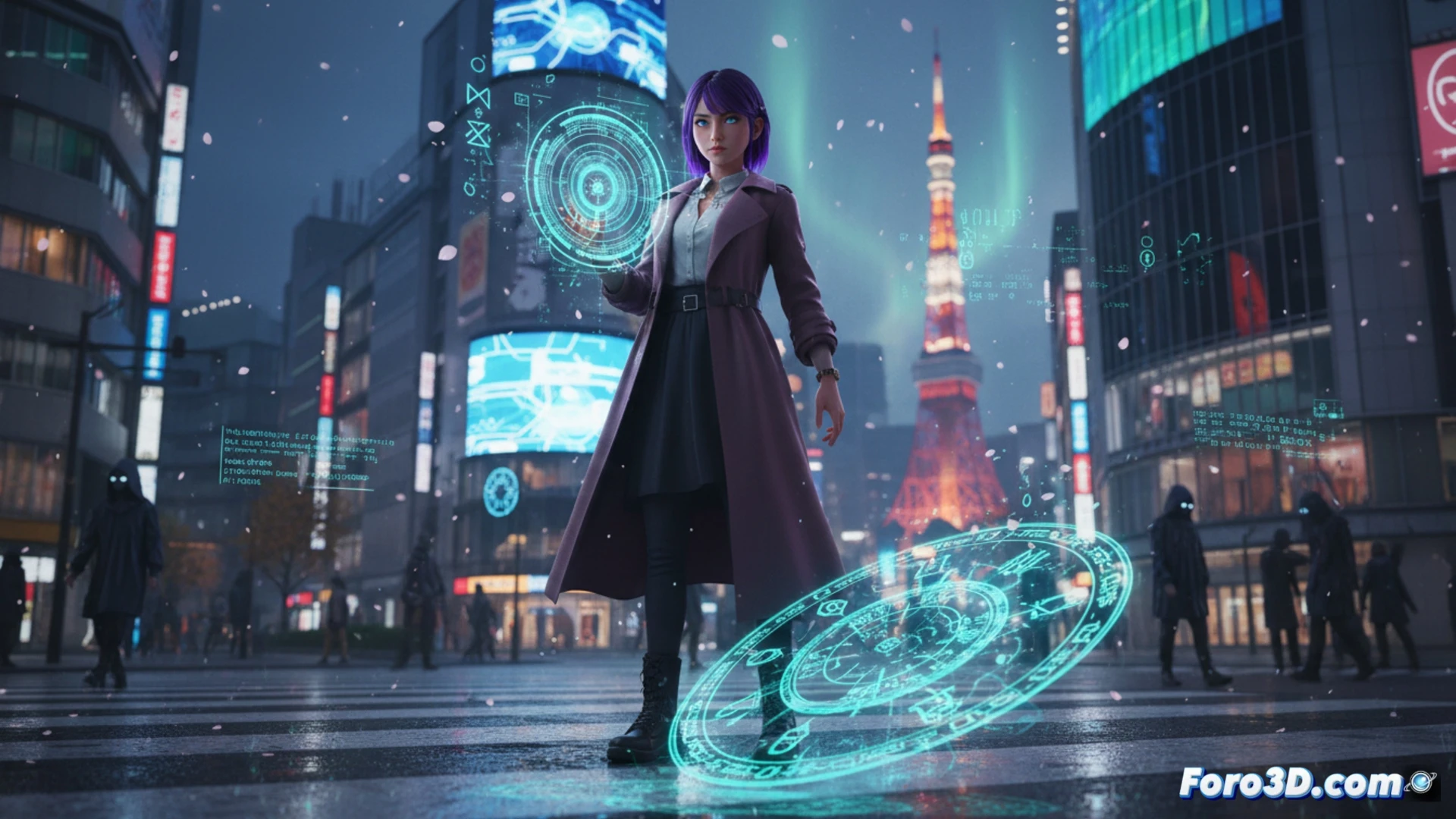
On May 29th, Iris Odyssey: Hephaistoss Ring arrives on Steam, a visual novel that exemplifies current indie development trends. Set in a contemporary Shibuya, the game intertwines Fuka's personal quest with Iris's supernatural investigations, creating a narrative where player decisions shape the evolution of their relationship and the outcome of a magical conspiracy. Its PC launch with trilingual support reflects a clear strategy to capture a global audience from day one.
Development and Localization Pipeline in Visual Novels 🛠️
Iris Odyssey serves as a case study for the technical and creative pipeline of an indie visual novel. Development focuses on a branching narrative system where every choice has weight, a narrative design challenge that requires a highly planned script structure. Additionally, the simultaneous release in English, Japanese, and Chinese underscores the importance of integrating localization from the early project phases, not as a final add-on. This involves managing text files, coordinating with translators, and ensuring that the cultural nuances of modern Shibuya and fantasy are preserved in all languages, a crucial factor for success on Steam.
The Indie Strategy on the Steam Platform 🚀
The Steam launch is not casual, but a key strategic decision. For a narrative game like this, visibility on the largest PC store is vital. Developers must optimize their store page with precise tags, screenshots that showcase the urban-fantasy atmosphere, and a description that highlights decision-making mechanics. Iris Odyssey bets on fusing a recognizable setting with fantasy elements, a formula that can resonate in a saturated market, demonstrating how a solid narrative concept and polished technical execution are the true protagonists of current indie development.
How can an indie studio use game development tools like Ren'Py or Unity to optimize the production of a visual novel and stand out in a saturated market like Steam?
(P.S.: shaders are like mayonnaise: if they curdle, you start all over again)