Iranian President Masud Pezeshkian has set conditions to end the conflict triggered by the US and Israel offensive at the end of February. He demands recognition of rights, indemnities, and international guarantees against future aggressions. This scenario, also discussed with Russia and Pakistan, shifts the crisis from the military to the diplomatic sphere, but instability in the Middle East remains a latent threat to a pillar of the global economy: energy and resources supply chains.
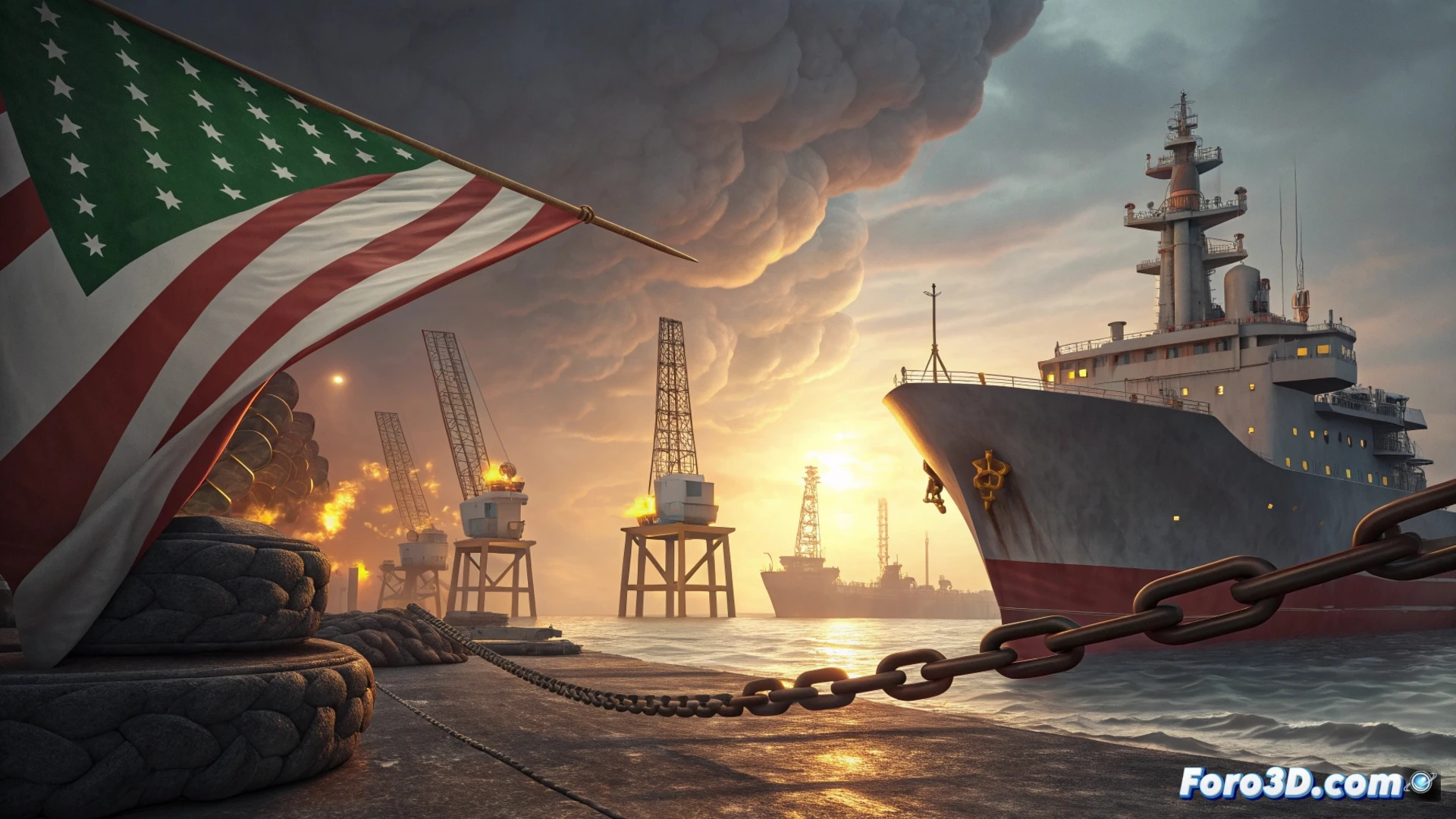
3D Modeling of Vulnerabilities in Critical Hydrocarbon Routes 🔍
To understand the real impact, we propose developing an interactive 3D model of key supply routes. This model would visualize in detail the transit through the Strait of Hormuz, the Persian Gulf, and alternative land corridors. It would allow simulating disruption scenarios based on conflict escalation or de-escalation, quantifying the impact on crude oil and gas flows. By integrating data on maritime traffic volumes, pipeline capacities, and logistical nodes, bottlenecks could be visualized, increases in freight costs and transit times calculated, and the resilience of global distribution networks evaluated in the face of a prolonged crisis.
Beyond Oil: Geopolitics as a Design Variable 🗺️
This case demonstrates that geopolitics is now a critical variable in supply chain design. Dependence on unstable regions for strategic resources represents a systemic risk. The proposed 3D visualization is not only an analysis tool but also an argument for supplier diversification, investment in resilient logistics, and reevaluation of safety inventories. The stability of our materials flow depends, more and more, on the ability to map and anticipate these conflicts.
How would you visually represent the manufacturing concentration in Taiwan?