In the latest installment of Knives Out, Wake Up Dead Man, Eyeline Studios executed a visual effects feat that defines contemporary excellence: imperceptible VFX. Their work was not to create monsters or explosions, but to build and extend worlds with absolute credibility. From forests to urban streets, every digital environment seamlessly merged with the real locations, serving only the atmosphere and narrative. This essential yet designed-to-go-unnoticed work is the backbone that ensures the viewer's immersion in the mystery.
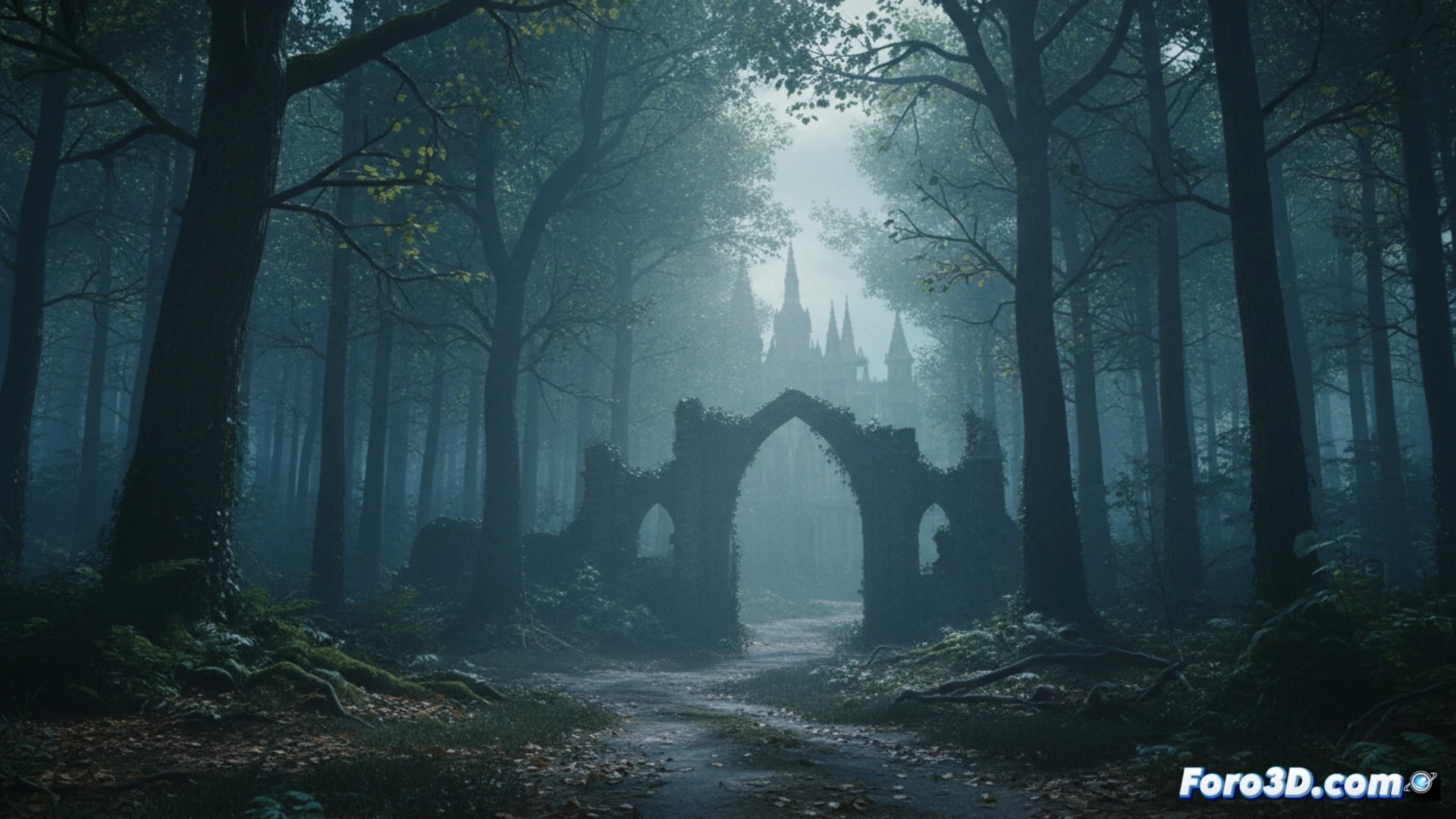
Techniques for Narrative Realism: Matchmoving and Digital Assets 🎬
The technical process behind this invisibility is meticulous. It begins with rigorous matchmoving to perfectly align the filmed camera with the virtual camera, allowing digital extensions to respect real perspective and movement. Eyeline created high-fidelity digital assets, such as vegetation, buildings, and urban elements, that replicate the texture and lighting behavior of the practical set. The final composition integrates these elements, also adding digital atmospheric effects like fog or suspended dust. These effects not only add depth and physical realism but are crucial for visual continuity, uniting shots filmed at different times and places into a cohesive and believable environment.
The Paradox of Perfect VFX: When the Best is That It's Not Noticeable 🎭
Eyeline's work on this film underscores a fundamental paradox in high-level visual effects: its greatest success is its apparent absence. Unlike spectacular effects that seek admiration, these environmental VFX aim to ground the story, not divert attention. This approach demands a deep understanding of photography, narrative, and real physics, demonstrating that the most sophisticated VFX is often the one that reinforces the authenticity of the filmed world, allowing the drama and characters to remain at the absolute center of the experience.
How do VFX artists create invisible effects that integrate perfectly into a movie's narrative without distracting the viewer?
(P.S.: VFX are like magic: when they work, no one asks how; when they fail, everyone sees it.)