The fourth season of Invincible cleverly addresses a persistent narrative trend: the need to make antagonists excessively sympathetic. In a key dialogue, Nolan explains the tragedy that decimated the Viltrumites, and Allen the Alien asks if he should feel compassion. The series' response is a resounding no. Invincible argues that giving a villain backstory should not equate to justifying their actions, defending the validity of presenting genuinely evil antagonists.
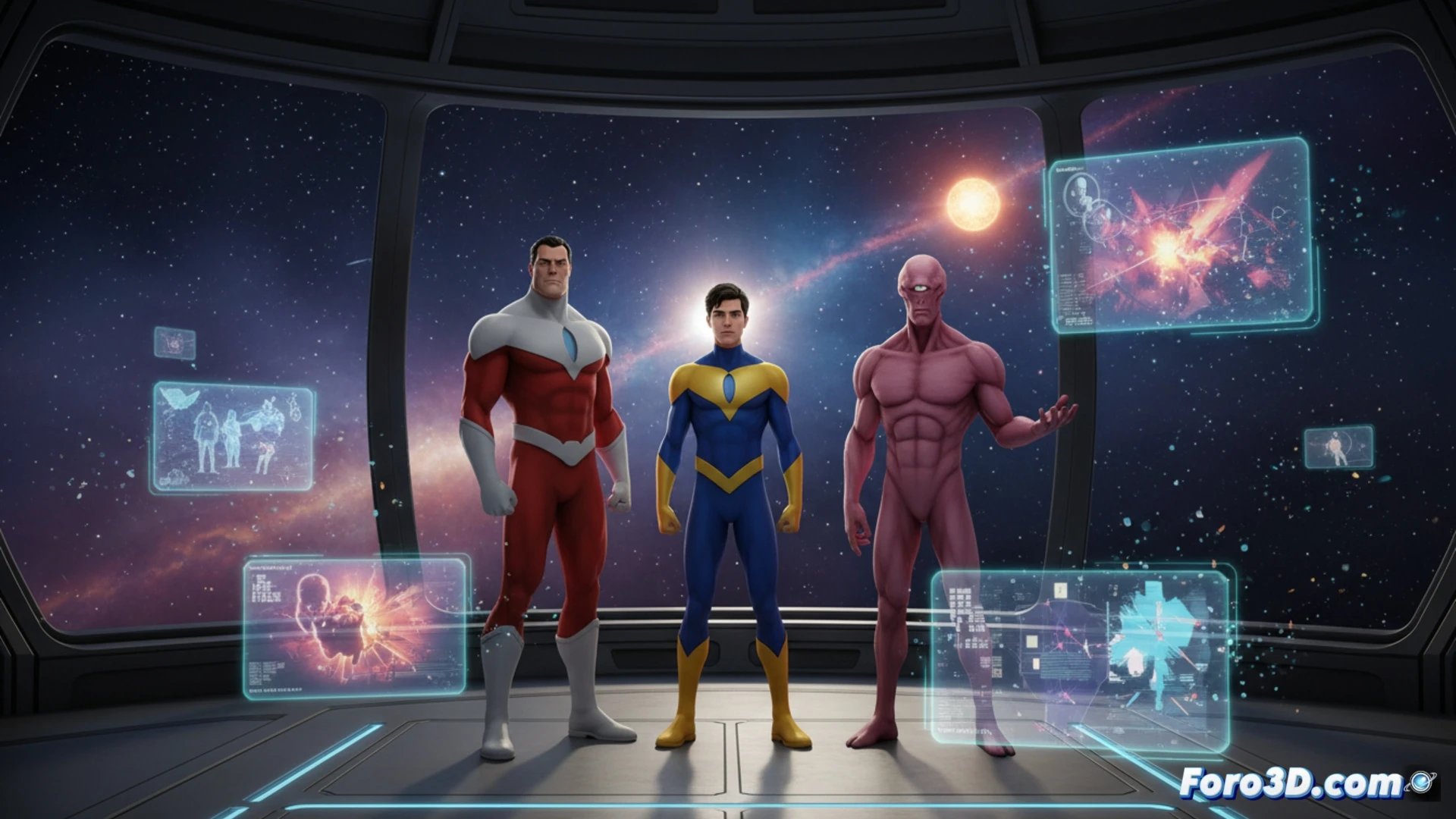
Visual language as narrative counterbalance 🎨
Invincible's animation actively reinforces this stance. The character design and art direction avoid idealizing the Viltrumites. Although their tragedy with the virus is narrated, the storyboard and animation show their ruthless nature without ambiguity: dominant postures, cold expressions, and acts of graphic and shocking violence. The color palette does not soften to generate empathy in their memories; the same visual crudeness is maintained. This creates a controlled dissonance where the viewer understands the villain's origin, but the visual language prevents emotional connection, prioritizing the plot's message over misplaced sympathy.
Lesson for visual creators 👁️
This narrative and visual choice offers a crucial lesson for creators. It demonstrates that it is possible to give depth to an antagonist without redeeming them, using the medium's tools, such as design and composition, to maintain the story's moral coherence. In a landscape where the villain's complexity often dilutes their threat, Invincible vindicates the power of a clear enemy, challenging a convention to strengthen its dramatic impact.
How can adult animation, like Invincible, use the deconstruction of villain sympathy to strengthen its critique of current narrative tropes in cinema and television?
(P.S.: Previz in cinema is like the storyboard, but with more chances for the director to change their mind.)