In a recent interview, John Billingsley, the actor who portrayed Dr. Phlox in Star Trek Enterprise, revealed the deep layer of backstory he built for his character. According to the actor, Phlox viewed the first human interstellar mission as an almost suicidal endeavor, undertaken by well-intentioned but tremendously naive Earthlings. This perspective, not written in the scripts, transforms the Denobulan doctor's cheerful curiosity into a conscious and carefree philosophy, the result of a life already lived. This interpretive decision greatly enriches the initial crew dynamic.
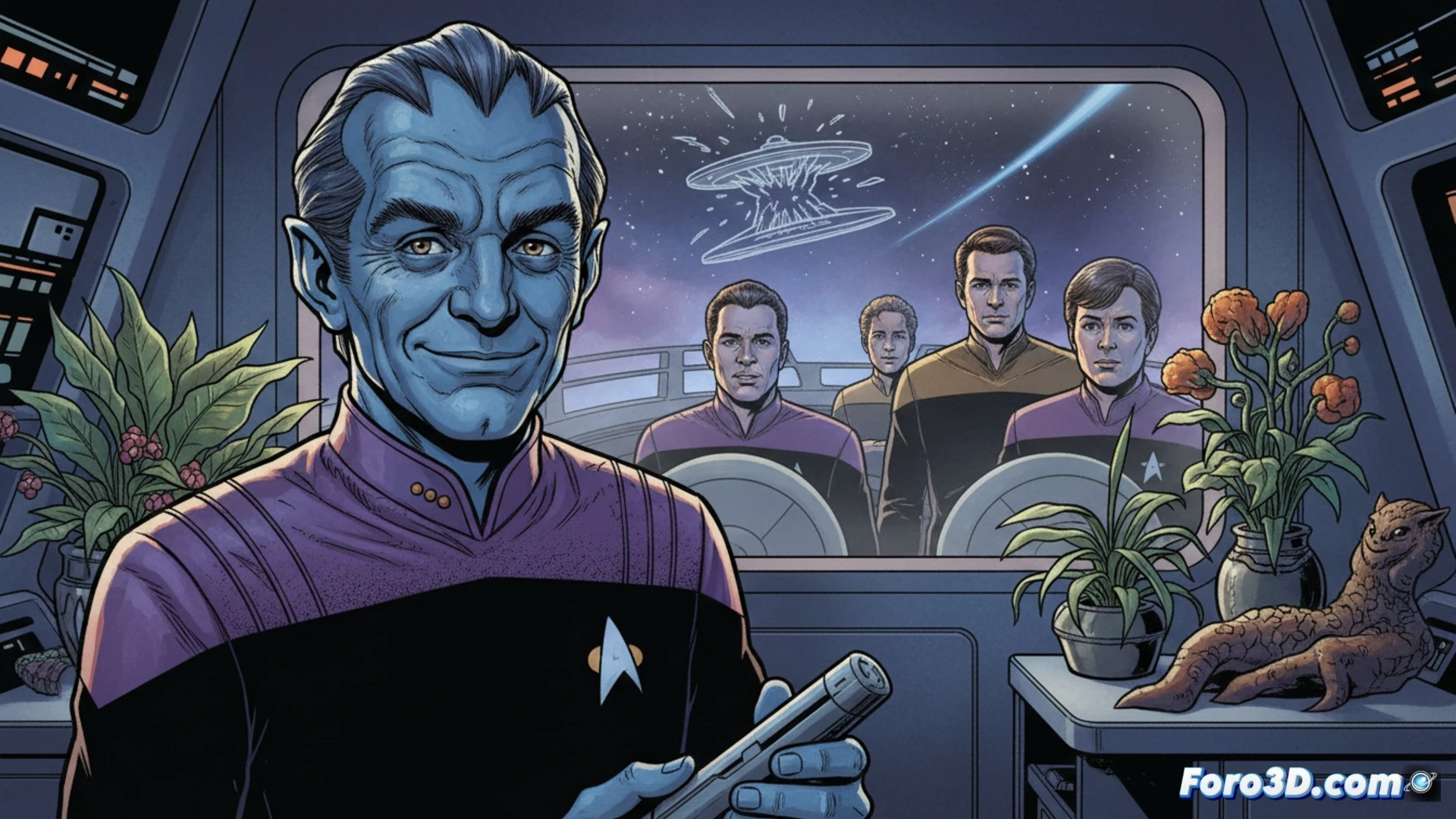
From the actor's backstory to the psychology of the 3D asset 🎭
Billingsley's internal construction for Phlox serves as a powerful narrative pre-production tool, analogous to an emotional storyboard or a character bible. Essentially, the actor performed an interpretive previsualization that defined the character's psychology and motivations, informing every gesture and reaction. This process is fundamental in creating digital characters for VFX and animation. A 3D model without a defined psychology is an empty shell. Animators and rigging artists need to understand not only how the character moves, but why they do so. Defining their story, fears, and worldview is crucial to give them credibility and emotional coherence on screen.
The narrative is born in pre-production 📝
This case underscores an essential truth for any visual project, whether live-action or digital: deep narrative is built in the pre-production and conceptualization phases. Whether through an actor's research, the design of a detailed storyboard, or the creation of an extensive bible for a CGI character, this invisible work is the foundation of the final credibility. Investing time in defining the soul of the character, their backstory, and their unique perspective always pays dividends in the richness and authenticity of the visual story that ends up being told.
How can an actor's detailed backstory construction transform the previsualization of a character and enrich its visual narrative on screen?
(P.S.: Previz in cinema is like the storyboard, but with more chances for the director to change their mind.)