The launch of the independent comic Is Ted OK? by Dave Chisholm, who exercises total control over the work, is a phenomenon analyzable for video game developers. Its first issue acts as a pristine first level or demo: it captures instantly, establishes the tone, and hooks with an intense narrative. This initial success reflects the same critical feat that an indie video game seeks upon debuting: generating trust and expectation with a powerful and authentic first delivery.
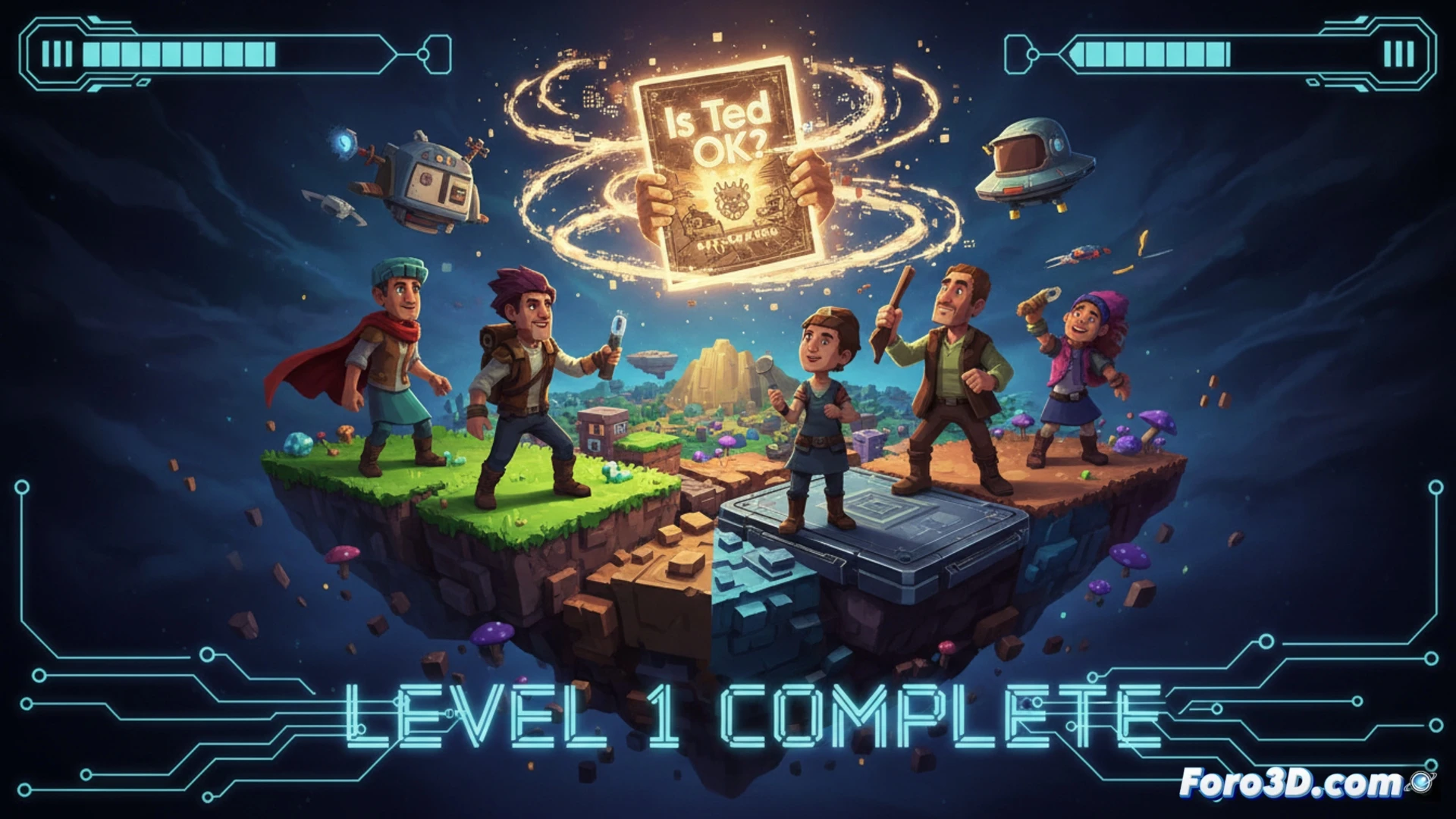
Total creative control and narrative as the core of value 🎨
Chisholm, as the sole author, handles script, art, and pacing, a dynamic common in small indie teams where unified vision is key. This control allows total narrative coherence, an element directly transferable to video game design. The depth and immediate drama of the story underscore that, regardless of the medium, a solid and well-presented narrative from the start is the main hook. For a developer, this translates to prioritizing initial gameplay or story that encapsulates the project's unique value, functioning as the best sales pitch and loyalty builder.
From the cover to the Steam Page: the fulfilled promise 🚀
Just as the comic's striking cover attracts and summarizes its essence, the screenshot, trailer, and description of a video game on its digital store must fulfill the same promise. The first issue of Is Ted OK? not only sells an idea but delivers on it, generating trust for future releases. In video games, this reinforces the strategy of launching a polished initial version, a compelling demo, or coherent early access, where the first impression determines word-of-mouth and lays the foundation for a sustainable project.
How can the development of an indie video game structure its launch milestones, in the style of a self-published comic, to maximize learning, community, and project viability?
(P.S.: a game developer is someone who spends 1000 hours making a game that people complete in 2)