Illinois advances toward a pioneering model of technological compliance in road safety. A bill proposes that drivers convicted of serious violations install intelligent speed limiters mandatorily. These devices, which automatically adjust the vehicle's maximum speed to the legal limit, represent a direct fusion between judicial sanction and digital control. The program, managed by the Secretary of State's office, would turn compliance with the norm into an automated and verifiable process, setting a precedent in the application of technology for enforced law compliance. 🚗
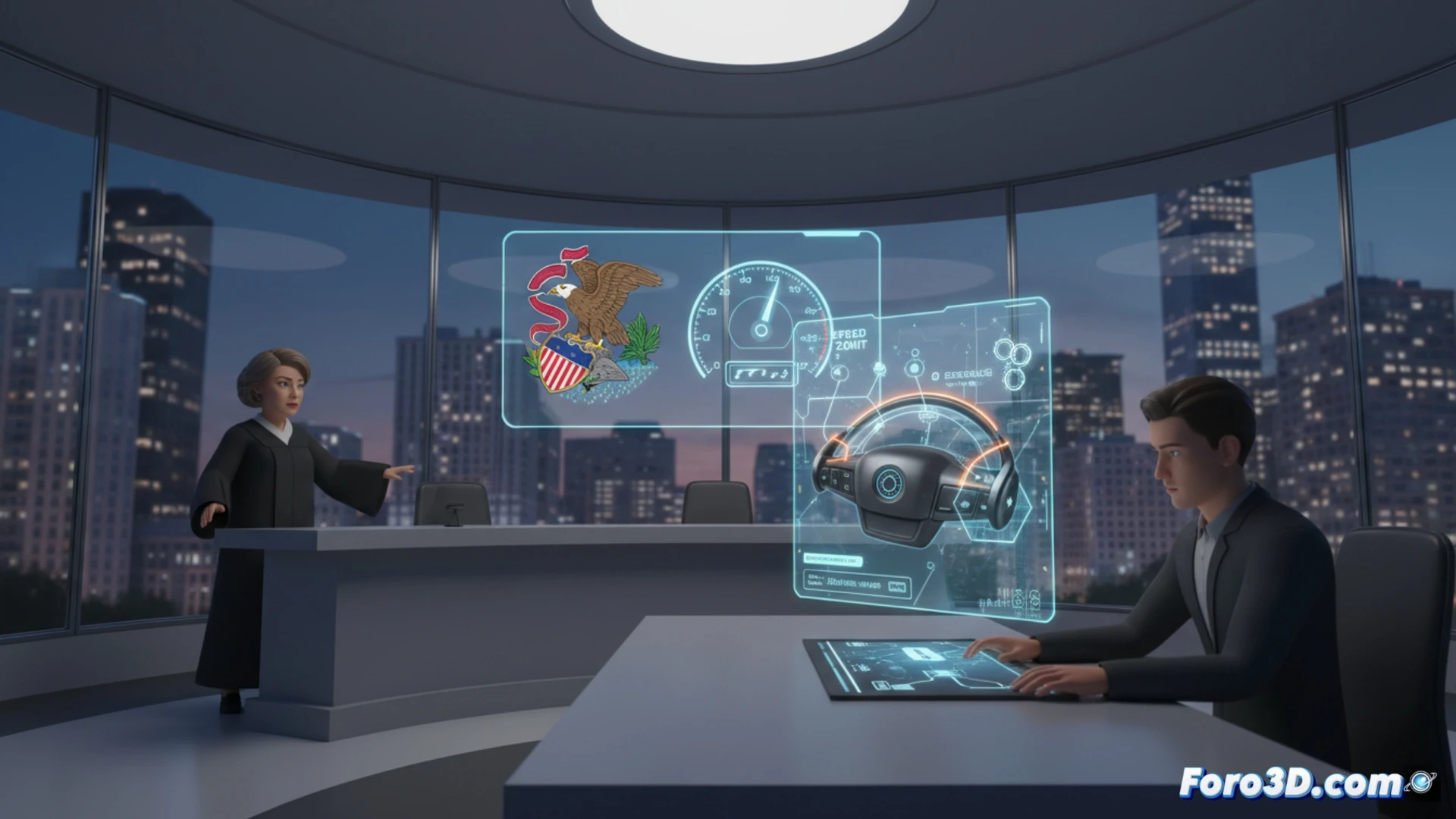
3D Modeling and Simulation to Analyze the Control System 🧠
The effectiveness and weaknesses of this compliance system can be deeply analyzed through 3D modeling and simulation technologies. Detailed virtual models of the device, its integration into the vehicle's electronic architecture, and its interaction with digital speed limit maps could be created. Simulations would allow testing critical scenarios: geolocation failures, evasion attempts through interference or signal spoofing, and data flow to authorities. Visualizing the entire process in 3D, from limit detection to engine actuation, helps identify technical vulnerabilities and design more robust digital audit protocols for this type of automated sanctions.
The Future of Digitized Normative Coercion ⚖️
This Illinois initiative is not just a road safety policy; it is a case study on the future of normative coercion. The law delegates the execution of a sanction to a digital system, criminalizing its manipulation. 3D simulation of the regulatory ecosystem, showing the connection between the vehicle, the device, and the supervising entity, reveals a paradigm where compliance becomes an imposed technical state. Analyzing this model is crucial to anticipate debates on privacy, technological scalability, and the ethical limits of automation in law enforcement.
How would you design an automatic system that verifies military status before an embargo?