At MWC in Barcelona, Honor has made it clear that the boundary between mobiles and robotics is fading. Their star announcement was not just a simple concept, but the Robot Phone, a device with an integrated robotic gimbal that will go on sale this year. This move, along with the demonstration of a dancing humanoid robot, signals a change: consumer robotics is already here. Behind these tangible advances is invisible work in 3D modeling and simulation, key disciplines for transforming ideas into functional and manufacturable products.
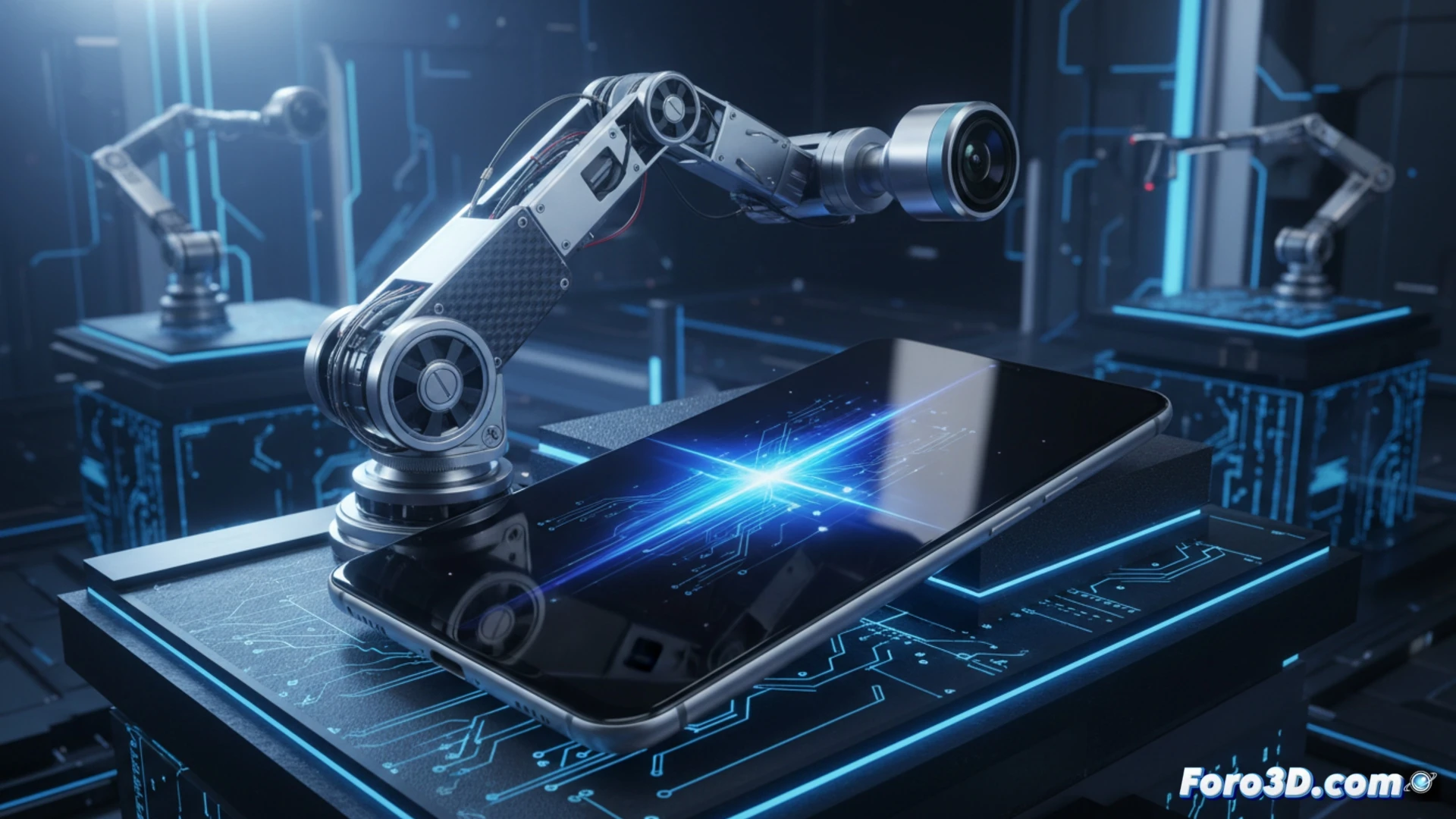
CAD, simulation, and digital twins: the triumvirate of robotic development 🤖
The viability of the Robot Phone and the dancing humanoid depends on intensive virtual development cycles. The design of the complex miniaturized robotic gimbal requires advanced CAD software to ensure mechanical precision and assembly. Before any physical motor moves, the humanoid robot's choreography is planned and tested in 3D simulation environments, optimizing trajectories and balance. These processes create a digital twin that validates behavior, prevents failures, and shortens manufacturing time. Without these tools, going from an unstable prototype to a market-ready product would be impossible.
3D simulation as a bridge to real manufacturing ⚙️
Honor’s launches reinforce a maxim in modern engineering: what is not simulated, is not manufactured efficiently. 3D simulation acts as the ultimate testing ground, where movement dynamics, material resistance, and component interactions are fine-tuned. This approach not only reduces costs but enables milestones like integrating a robotic system into a mobile or achieving the fluidity of a dance. The future of consumer robotics is written first in virtual environments where everything is possible and optimizable.
How will the integration of robotic concepts, such as contextual AI and autonomous physical interaction, influence the design and functionality of future mobile devices?
(P.S.: Simulating robots is fun, until they decide not to follow your orders.)