Actress Helen Mirren, upon receiving the Order of the Star of Italy, highlighted her deep bond with Apulia and her concern for the Xylella plague affecting the olive groves. This connection between a public figure, a territory, and an environmental cause is a perfect example of how art and influence can mobilize consciences. In the niche of art and digital activism, this commitment finds powerful tools to amplify its message and effectiveness.
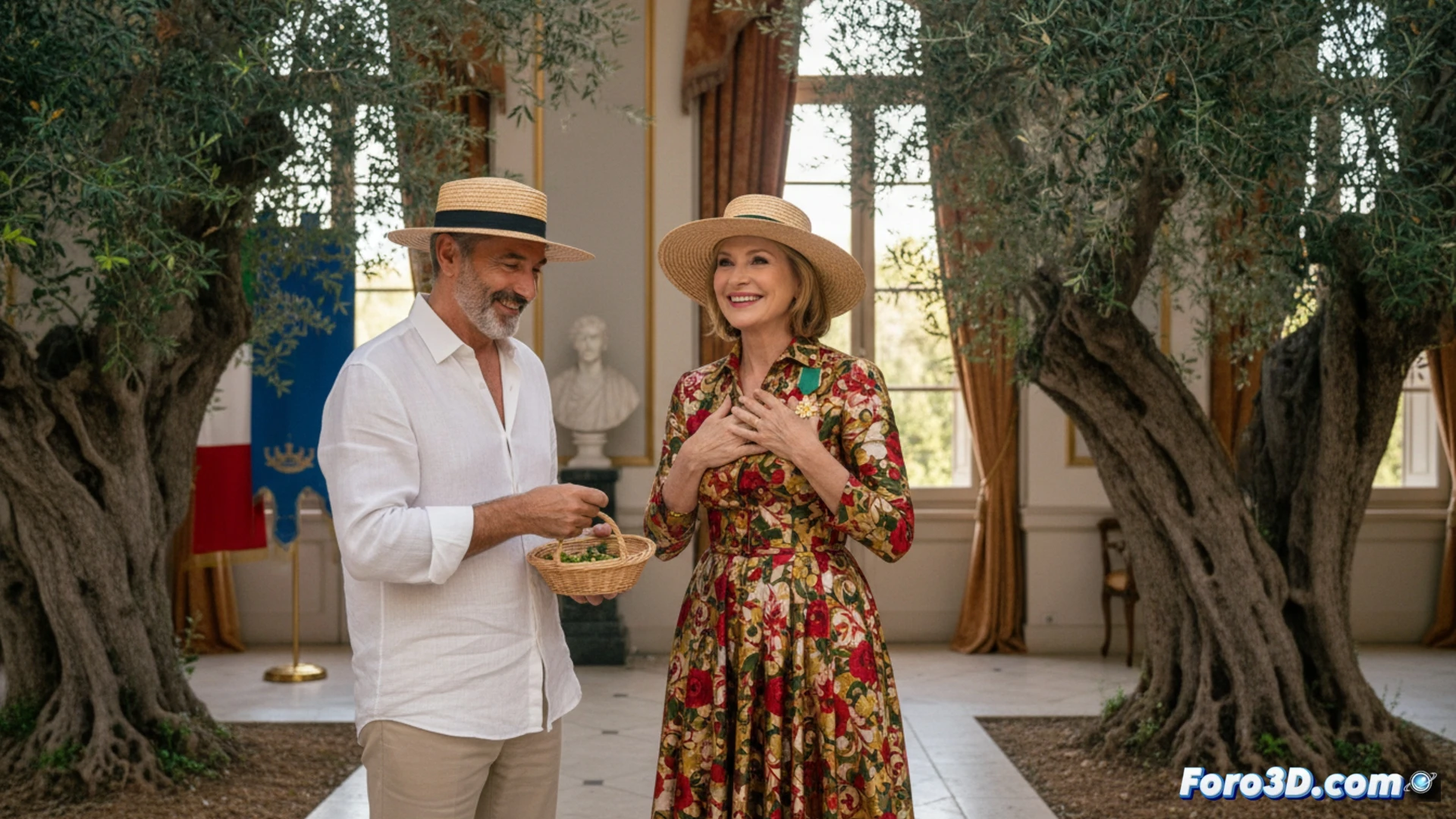
3D Visualization: Awareness Beyond Words 🎨
The defense of a territory like Apulia can be greatly enhanced with digital visualization technologies. Imagine digital twins of centenary olive groves, 3D models showing the advance of Xylella year after year, or immersive recreations of the threatened rural heritage. These tools transform complex data and distant realities into impactful visual narratives. They allow simulating the impact of solutions or the cost of inaction, offering a tangible bridge between an activist's emotional narrative and the technical evidence needed for action.
When Celebrity Meets Technical Tools ⚙️
Mirren's case illustrates a model where notoriety attracts initial attention. The next step is to fuel that interest with accessible technical content. Here, 3D modeling and digital cartography become key allies to turn concern into deep understanding and informed mobilization. Modern activism not only requires a voice, but also visualization. The combination of public influence and precise technology can be definitive for territorial and environmental causes.
How can 3D digital art become an effective tool for environmental activism, inspired by cases like the defense of Apulia and its heritage against threats like Xylella?
(P.S.: digital political art is like a NFT: everyone talks about it but no one really knows what it is) 🌱