A recent update to Halo: The Master Chief Collection has massively unlocked cosmetic content, such as skins and nameplates, making permanent what was previously limited. This change, beyond its impact on players, is a practical example of 3D asset management in a commercial game engine. For professionals in forensic recreation, observing how an engine like Slipspace distributes and updates these models and textures in real time offers valuable lessons on efficiency and version control in critical environments.
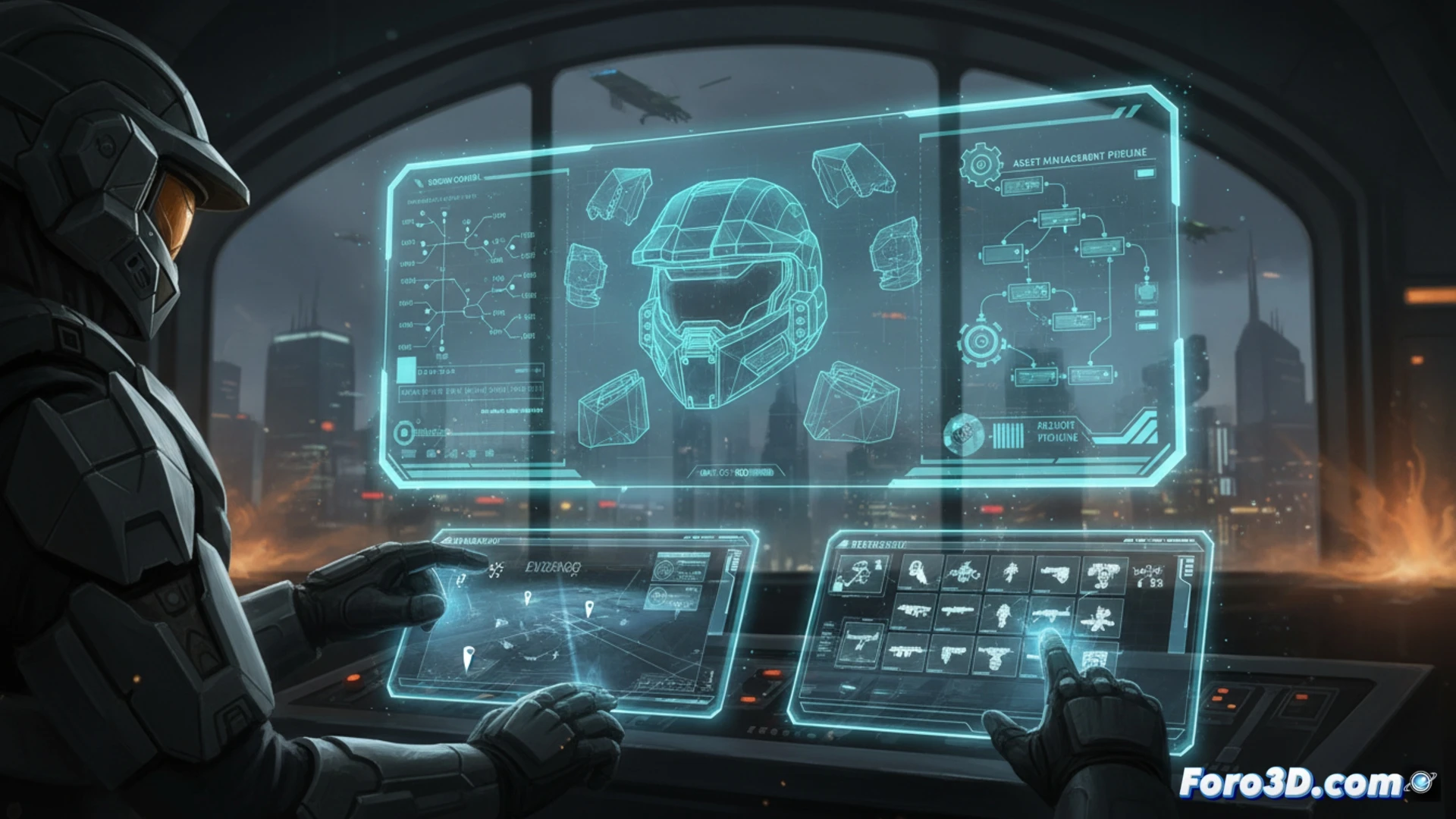
From Digital Exchange to the Crime Scene: Underlying Technologies 🧩
The operation behind this update involves a robust asset database management system, texture and 3D model packages. The engine must validate, integrate, and make these elements available without conflicts for millions of users. This same capability is fundamental in forensic recreation, where engines like Unreal Engine or Unity are used to import, modify, and manage high-precision 3D scans of crime scenes. The logic of real-time updates and data integrity preservation is parallel: just as the game ensures a skin looks correct, a forensic tool must guarantee that a 3D digital evidence remains unaltered and traceable.
Precision over Customization: The True Value of the Engine ⚙️
While players celebrate recovering cosmetics, the forensic niche extracts a key principle: the versatility of a game engine lies in its precise handling of assets, not in its aesthetics. The ability to modify lighting, materials, and geometry parameters in an interactive environment is what allows dynamically reconstructing an accident or a crime. This Halo update reinforces the idea that these platforms are dynamic ecosystems for 3D data, whose most valuable application may be far from entertainment.
How can the extraction and analysis of 3D models and textures from updated game engines, like that of Halo MCC, standardize methodologies for the forensic reconstruction of crime scenes?
(P.S.: If you use Unreal to recreate a crime, don't forget to disable the power-ups.)