In Iran, a powerful movement led by young women is redefining resistance. By showing their hair in public, they challenge not only a veil law, but an entire structure of authority. This act, amplified through social media and the use of VPNs to bypass censorship, transcends street protest. It becomes a massive visual performance, an artistic intervention in real and digital public space where the body is the message.
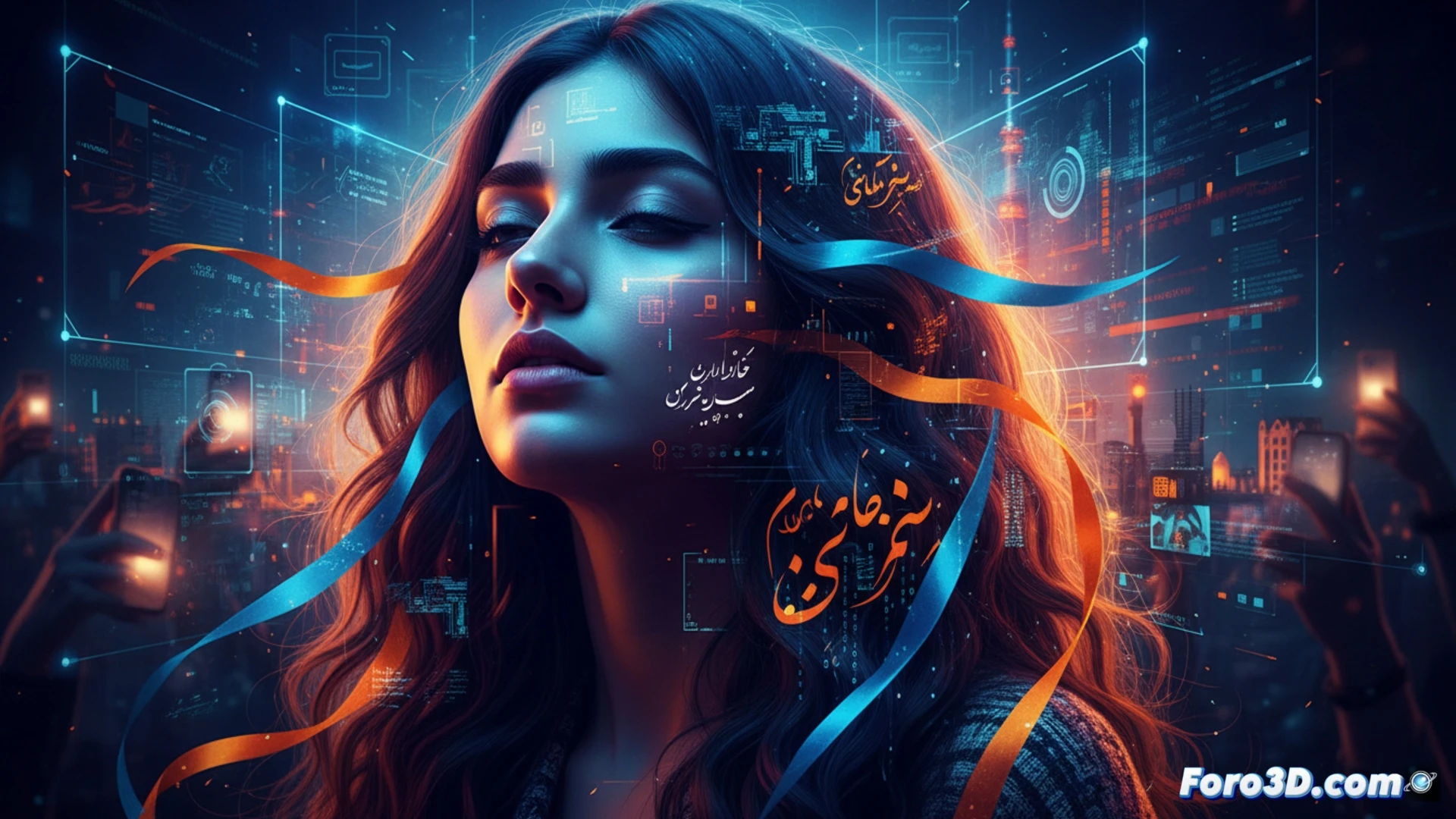
From image to simulation: 3D and VR tools for resistance narratives 🎭
The logical evolution of this visual-digital activism points to immersive technologies. Generative art could create infinite variations of the hair-liberating gesture, symbolizing the unstoppable multiplication of the movement. 3D and Virtual Reality environments would allow reconstructing Iranian public spaces to simulate protests or create digital monuments to resistance, accessible globally. These tools not only evade censorship, but build a collective memory and a symbolic training ground, where a future of rights is practiced and visualized.
Rendered hope: a future created with pixels and conviction ✨
This convergence between digital art and activism signals a paradigm shift. The struggle is no longer just about occupying squares, but about rendering spaces of freedom in global consciousness. Every 3D model, every VR experience, every AI-generated image that challenges the norm, is an act of political creation. It is the new generations of Iranians, with their technological mastery and courage, who are sculpting with pixels the image of the hope they seek.
How is the digital activism led by Iranian women transforming the perception of the body and public space as fields of political battle and artistic creation?
(P.S.: pixels also have rights... or at least that's what my latest render says) 🖥️