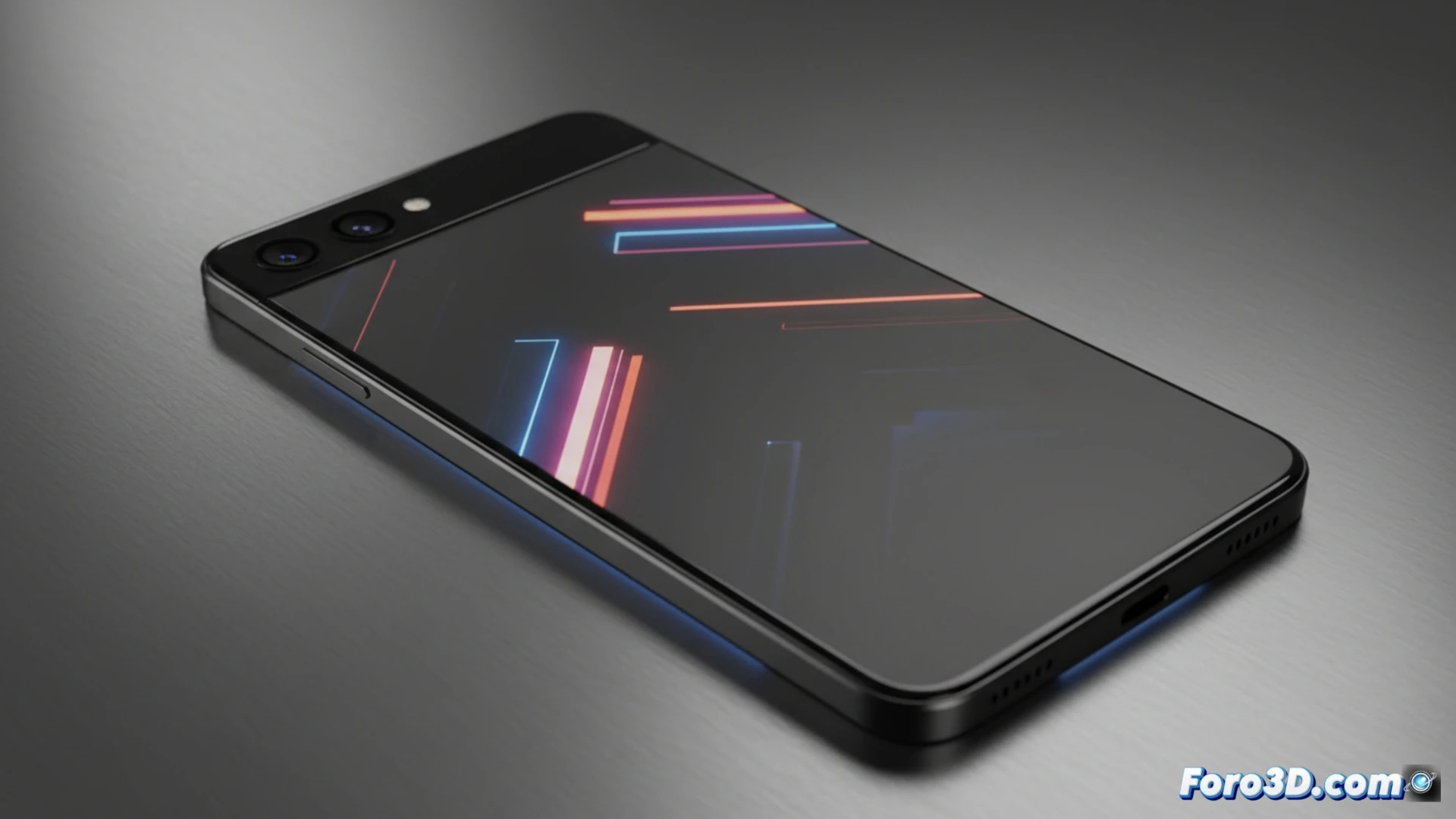
Leaks of the Google Pixel 11, scheduled for 2026, point to a technical evolution rather than an aesthetic revolution. Beyond thinner bezels and the black camera module, the leaked specifications reveal components that deserve analysis from the perspective of professional hardware. In the 3D niche, where every advance in processing and visualization matters, we evaluate whether this smartphone could become a viable auxiliary tool for artists and mobile designers.
Tensor G6 and OLED Screen: Analysis for 3D Workflows 🔍
The heart of the analysis is the alleged Tensor G6. Its architecture, still unknown, will be key to determining if it can accelerate renderings in mobile 3D applications or handle complex model visualizations smoothly. The 6.3-inch OLED screen promises pure blacks and contrast, ideal for reviewing details in 3D meshes, but its professional suitability will depend on color calibration and color gamut coverage. The MediaTek M90 modem, although focused on connectivity, could facilitate cloud collaboration for rendering heavy projects. The improvement in low-light video processing could translate into better texture captures or 3D scans with the phone.
The Future of Portable 3D in the Palm of Your Hand 🚀
The Pixel 11 represents the trend of consumer hardware that borders on professional. It won't replace a workstation, but it could be a powerful complement for visualizing, reviewing, or making light adjustments to 3D models outside the studio. Its real potential will depend on software optimization and the ecosystem of professional applications for Android. These advances bring closer the possibility of having complete and mobile 3D creation suites, further democratizing access to these tools.
Could the alleged real-time 3D processing capabilities of the Google Pixel 11 make it a viable tool for mobile capture and visualization of 3D models?
(PD: Your CPU heats up more than the Blender vs. Maya debate)