The God of War saga takes an unexpected turn with Sons of Sparta, a spin-off that abandons the 3D perspective and epic scale to adopt a 2D metroidvania format. This creative decision, risky in such an established franchise, completely redefines the experience. The analysis of this title allows us to explore how the core mechanics of a saga are reinterpreted in a different genre, a fundamental design challenge. The game, despite a slow start, builds a solid proposal that deserves to be examined from the development perspective.
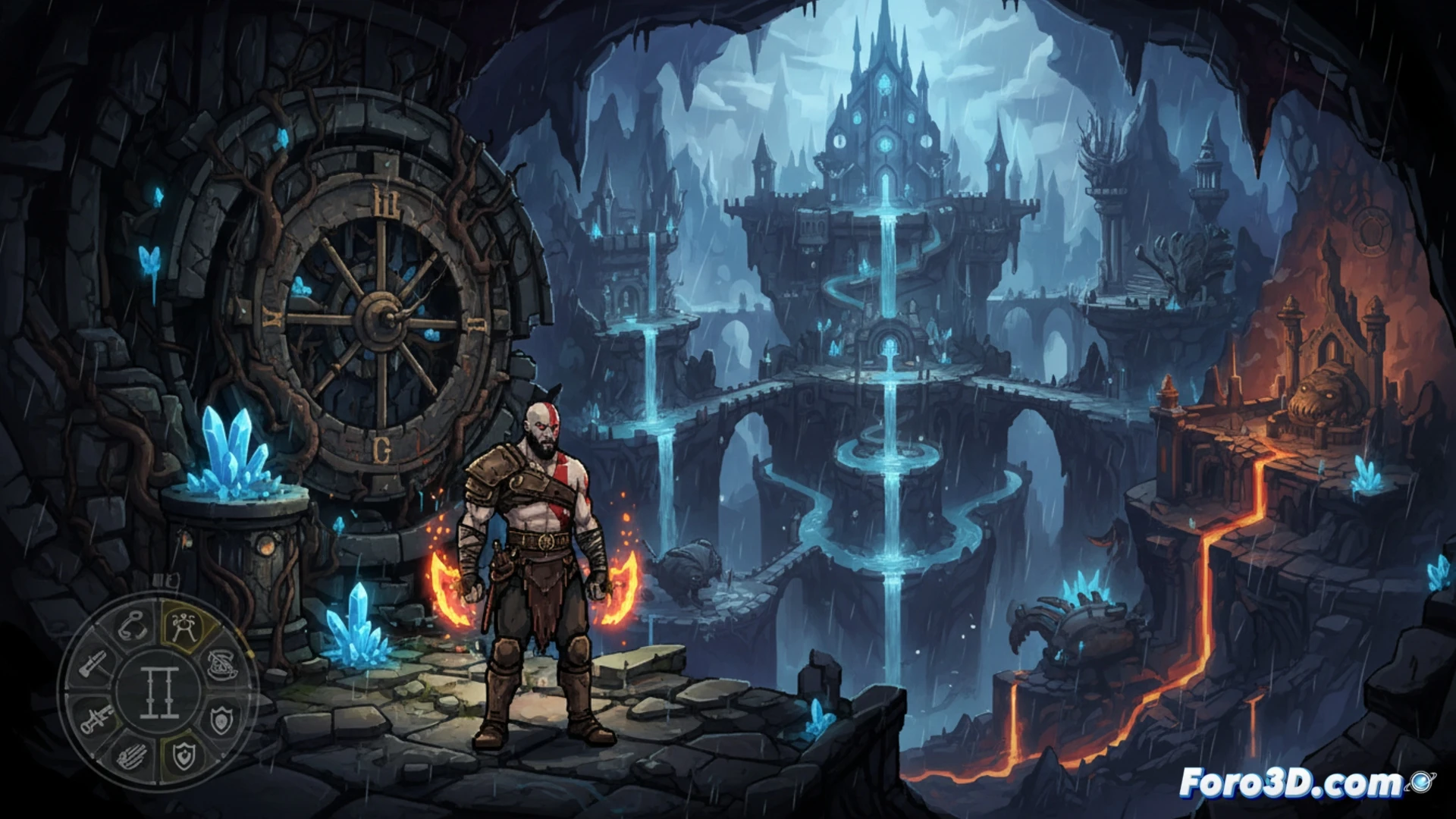
From Epic to Intimate: Technical and Gameplay Reinvention 🎮
The transition to 2D is not just a visual change; it is a profound restructuring of level design and progression. The metroidvania scheme requires an interconnected world design, where Kratos's new abilities unlock previous areas. This contrasts with the linear or semi-open design of the main titles. Combat, while recognizable, is condensed into a single plane, prioritizing precision and character evolution through upgrades. Curiously, the game finds its ideal space on the PlayStation Portal, suggesting that its control design, pacing, and tactile feedback were consciously conceived or adapted for the portable experience, a relevant technical and UX detail.
The Value of Divergence in Saga Development 💡
Sons of Sparta demonstrates the value of spin-offs as a field for experimentation. By moving away from the epic formula, the team explored intimate narrative and mechanical depth in a specific genre. This approach allows the intellectual property to breathe and attracts a different audience. For developers, the title is a case study on how to adapt a narrative and combat essence to a radically different playable framework, maintaining identity without replicating the structure. It is a lesson on innovation within a consolidated franchise.
How does God of War: Sons of Sparta manage to transfer the saga's essence to a 2D Metroidvania structure without losing its visceral combat identity and epic narrative?
(P.S.: shaders are like mayonnaise: if they break, you start all over again)