The recent passing of Italian singer-songwriter Gino Paoli, a key figure in postwar music, invites us to reflect on the preservation of scenic heritage. Beyond recordings, his legacy lives on in the memory of his performances. Today, 3D technology offers fundamental tools to conserve and revive the essence of those shows, allowing new generations to experience the visual and spatial dimension of historical artists.
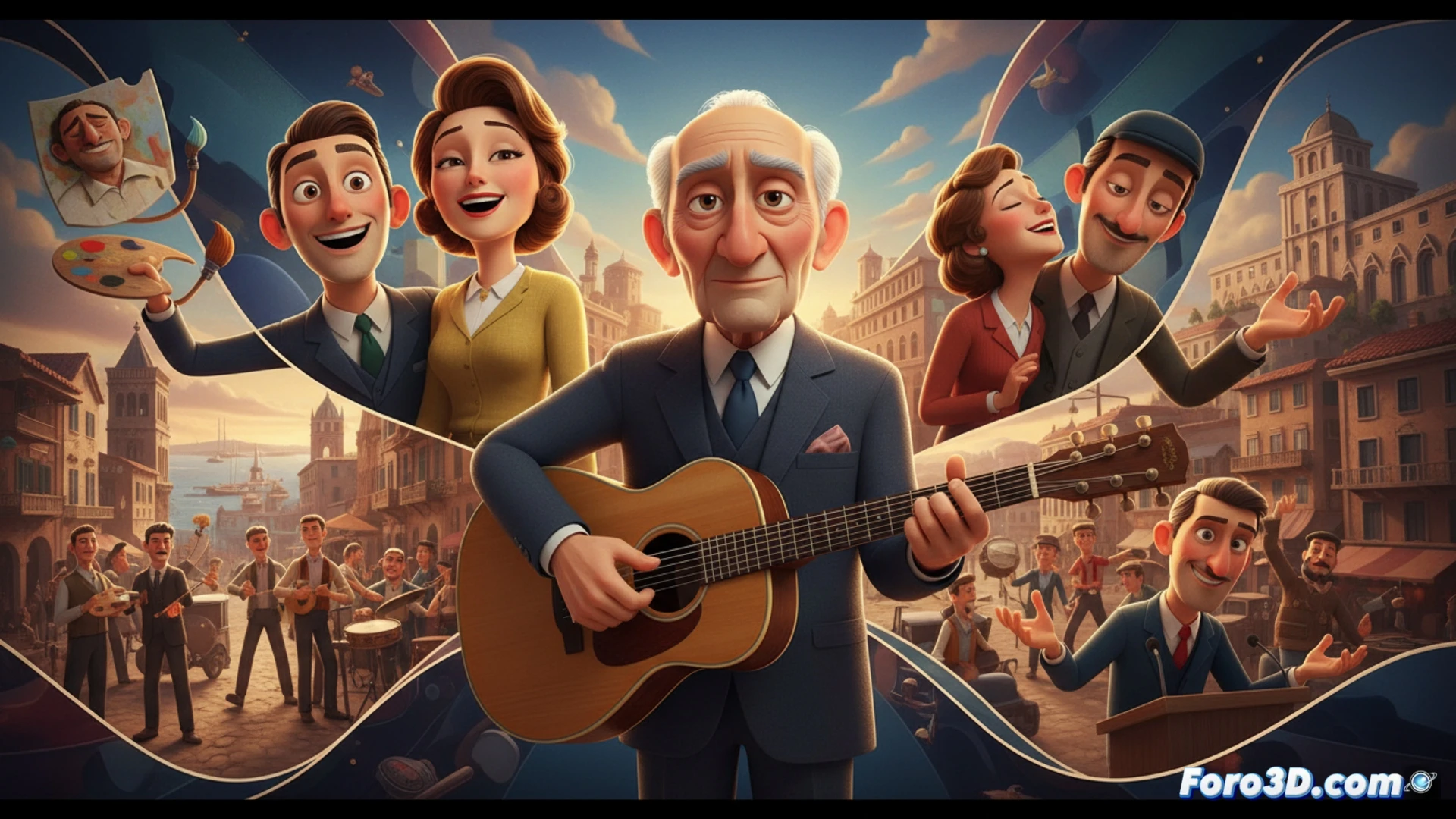
3D Technologies Applied to Performance Recreation 🎭
Scenography and 3D visualization are key allies in this process. Modeling and rendering software allows for the precise reconstruction of historical stages or the design of tribute setups based on the aesthetics of an era. Through digital archiving techniques, performances can be recreated for study, even using volumetry to capture the artist's presence. Additionally, 3D acoustic and lighting simulations enable the analysis and reproduction of the conditions of emblematic spaces where Paoli and his contemporaries performed, fusing historical data with immersive digital environments.
Cultural Memory in the Digital Era 💾
This approach transcends the technical. It is about using 3D modeling and visualization as bridges between the past and the future, transforming anecdotal memory into tangible and analyzable scenic heritage. By digitizing the essence of a performance, we not only honor artists like Paoli, but also enrich cultural archives and offer new tools for creating deeply emotional and respectful commemorative experiences.
What software would you use to preview concert lighting?