Maxon has announced an integration that could change the pace of 3D asset creation for video games. Thanks to an agreement with Tencent Cloud, Cinema 4D will incorporate the HY 3D generative AI engine, allowing artists to create base models from text or images. This tool, scheduled for late 2026, promises to drastically accelerate the ideation and prototyping phase, generating meshes with UVs and automatic rigging with a single click. The key: it is presented as an optional assistance, not a replacement.
Impact on the Asset Production Pipeline 🤖
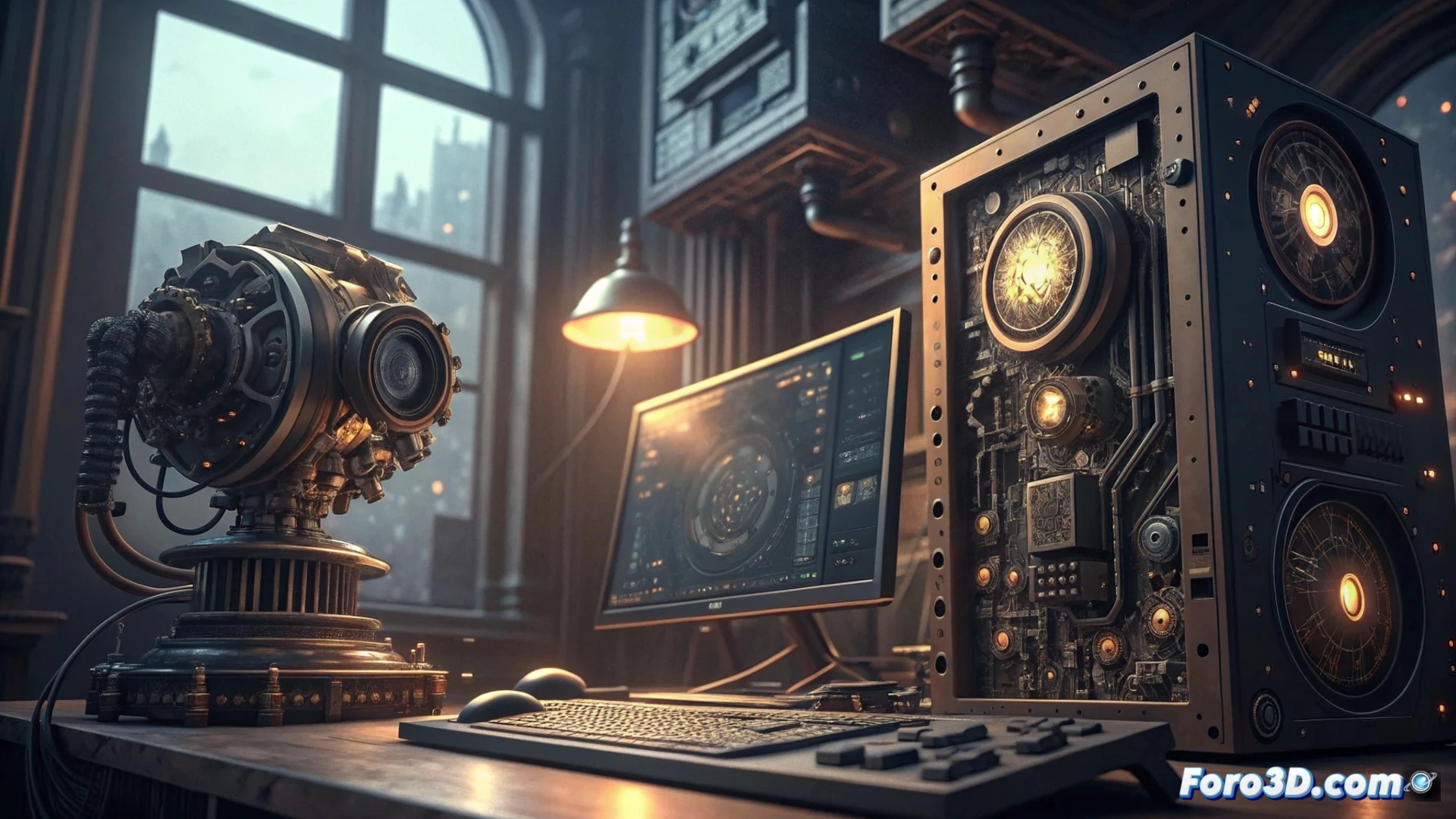
This technology directly impacts the development workflow. For indie studios, the ability to quickly generate variations of a base model or functional prototypes with rigging can level the playing field, reducing pre-production time. In AAA studios, it can optimize repetitive tasks or serve as a blocking base for senior artists to refine. The greatest benefit lies in iteration: an art director can request a rusty robot with spider legs and get a workable mesh in minutes, not days. However, final artistic control and game engine optimization will remain in human hands.
Automation vs. Art: The Future of the Artist's Role 🎨
The news reignites the debate on automation. Maxon insists it is an assistance tool, but its arrival will inevitably transform roles. Technical artists and modelers will be able to focus more on high-level design, optimization, and unique style, delegating base generation to AI. The unknown additional cost could create an access gap. The promise of not using customer data is reassuring, but dependence on a Tencent model adds layers of complexity. True success will lie in how Cinema 4D integrates these generative results into an editable and non-opaque workflow.
How can the integration of generative AI in Cinema 4D specifically optimize the asset creation workflow for prototyping and agile video game development?
(PS: shaders are like mayonnaise: if they break, you start all over again)