The story of Humane's AI Pin is a case study on the abyss between futuristic vision and practical utility. Launched in 2024 as the supposed smartphone replacement, this screenless device promised to free us through AI. However, the criticisms were devastating: high price, overheating, slow responses, and marginal utility. Its commercial failure was rapid and resounding, culminating in 2025 with the sale of Humane's assets to HP for a fraction of its former valuation.
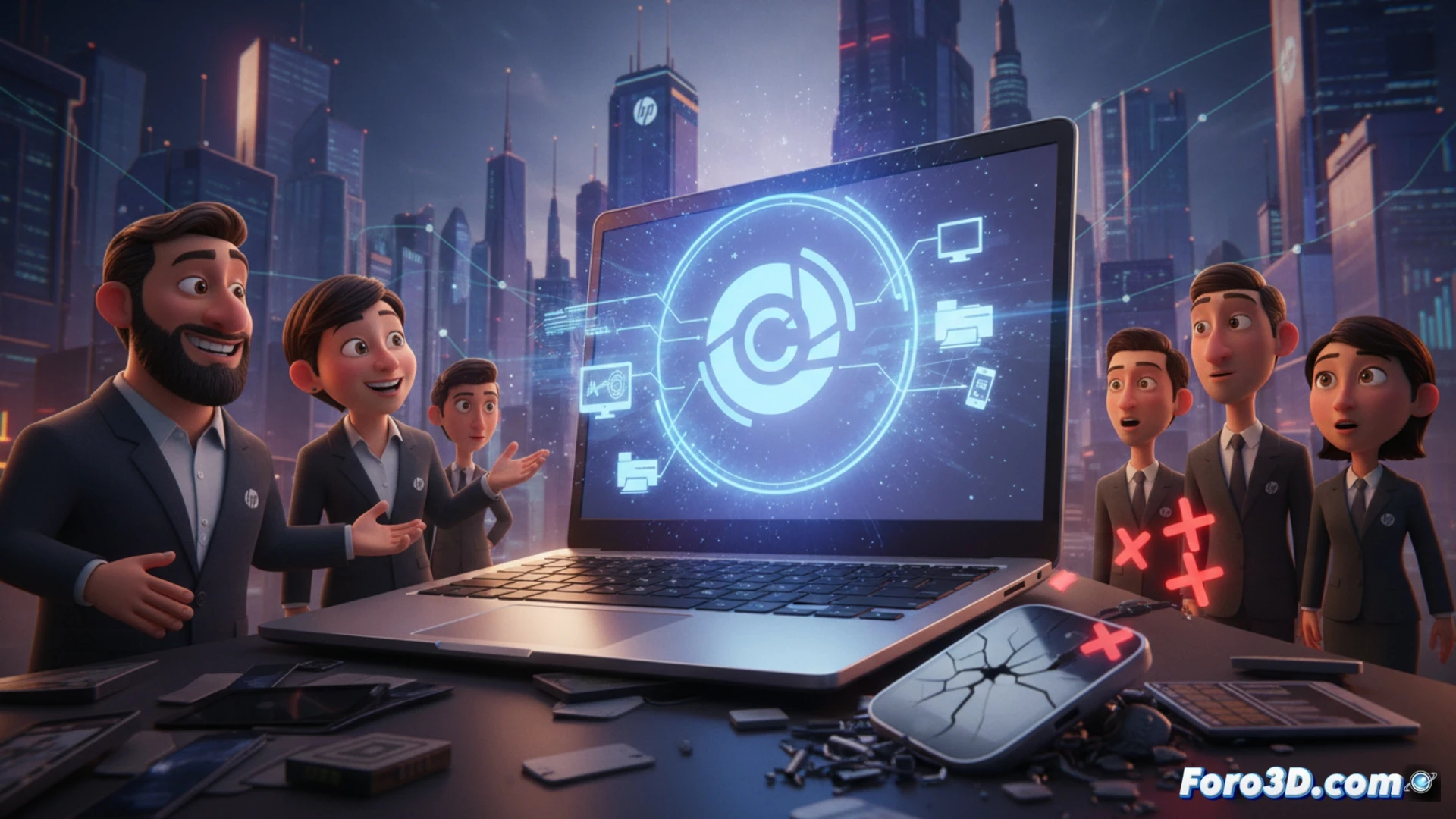
From revolutionary hardware to enterprise software: the metamorphosis of CosmOS 🤖
The most significant shift was not the acquisition, but the transformation of the core technology. HP discarded the wearable device idea but rescued its operating system, CosmOS. Now integrated into HP's enterprise laptops, it functions as an advanced assistance chatbot. The original vision of a screen-free ambient AI mutated into a productivity layer within HP's corporate ecosystem. Humane's founders now lead the company's AI lab, redirecting their talent toward a B2B market where efficiency trumps conceptual revolution.
Lessons on consolidation and the future of tangible AI 📈
This episode underscores two key trends. First, the difficulty of creating new interaction paradigms that surpass the convenience of the established smartphone. Second, the speed with which big tech absorbs failed innovations, redirecting their useful core toward profitable niches. The fate of the AI Pin suggests that, in the short term, tangible AI will integrate more as software into existing devices than as disruptive hardware, consolidating the power of already established ecosystems.
Does the failure of Humane's AI Pin reveal that the true AI revolution lies not in dedicated devices, but in silently integrating into the tools we already use?
(P.S.: tech nicknames are like children: you name them, but the community decides what to call them)