The reinterpretation of Shackleton's epic expedition as a struggle against an apocalypse of frozen data is a monumental visual challenge. A script like Trapped in the Antarctic Void transcends the page and demands a tangible conception of its world. This is where 3D pre-production tools become indispensable, acting as the critical bridge between the narrative idea and the viability of a cinematic production. This article explores how concept art, world-building, and previsualization are key to materializing this vision.
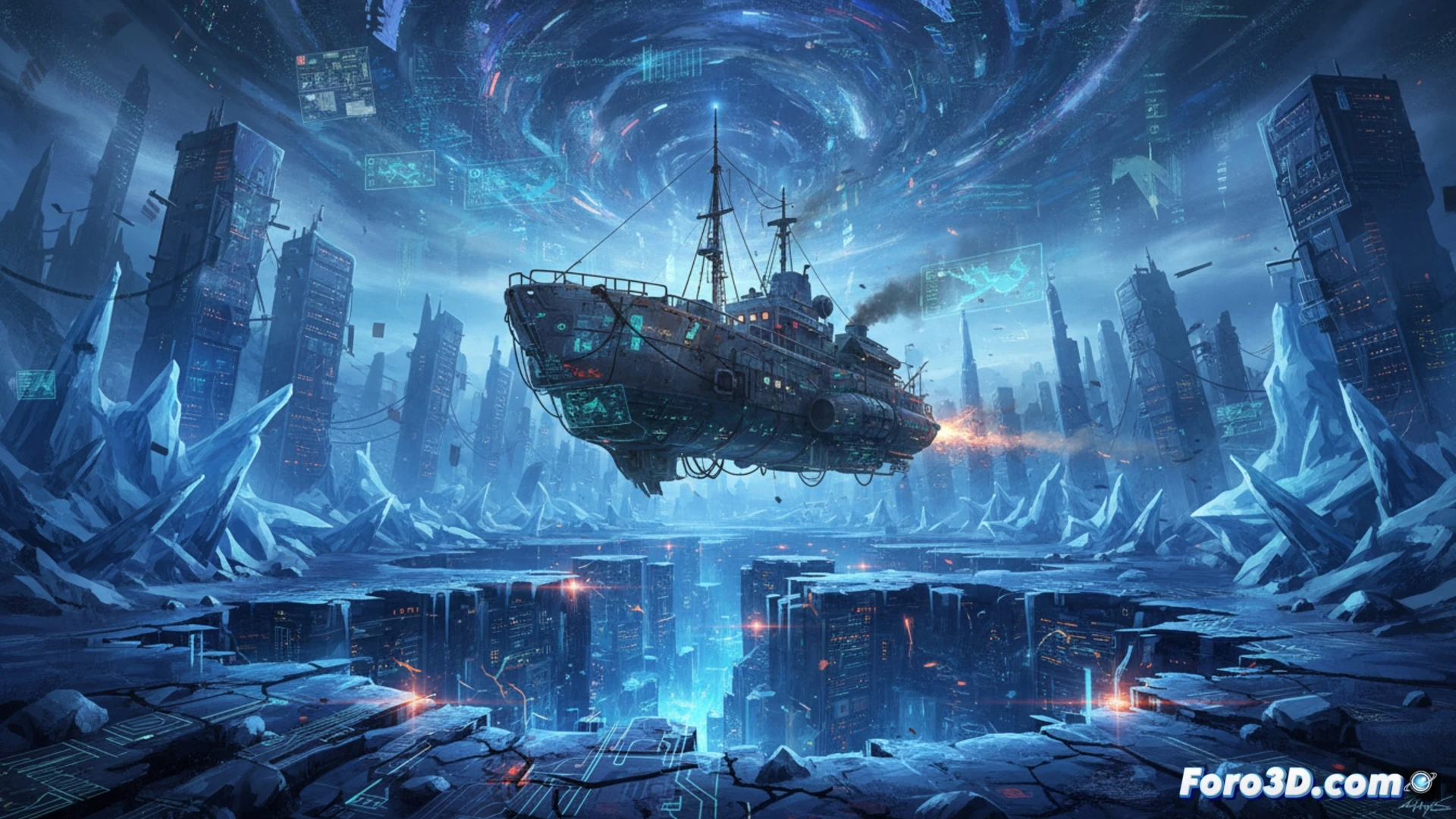
3D World-Building: Constructing a Continent of Frozen Servers 🏔️
The core of the concept lies in transforming Antarctica into a landscape of dead technology. 3D modeling and digital sculpting allow designing geological formations composed of servers, cables, and cooling towers petrified in data ice. Tools like Houdini for procedural effects can generate vast extensions of this ecosystem, ensuring variety and epic scale. The design of the Endurance ship, no longer wooden but as a hermetically sealed technological structure, is prototyped in 3D, testing its dystopian aesthetic and narrative functionality. The corruption of vital systems can be previsualized with fluid and particle simulation animations, showing how the infection spreads through the ship's screens and ducts.
Previs as Narrative and Technical Guide 🎬
Before shooting a single real frame, 3D previsualization allows blocking complete sequences in the created digital environment. This is crucial for planning survival scenes in the data ice, defining angles that emphasize both the vastness of the landscape and the isolation of the characters. Previs helps make technical decisions about lighting, necessary to create a chilling and ominous atmosphere, and about camera movement, essential for the claustrophobic tension inside the ship. Thus, 3D not only shapes the world but becomes the first version of the movie, validating the narrative and optimizing resources for a future production.
How can 3D modeling tools and digital compositing be used to create a frozen data aesthetic that visualizes the corruption and collapse of information in a dystopian narrative?
(P.S.: Previs in cinema is like the storyboard, but with more chances for the director to change their mind.)