The recent outcome of Jujutsu Kaisen reveals a fascinating fate for Yuji Itadori: after decades, he transforms into a Cursed Object, an eternal guardian. This narrative twist, beyond its impact on the manga, is a treasure for game developers. Analyzing how a protagonist evolves from hero to entity, and his role as a contingency weapon, offers masterful lessons on designing character arcs, building lore, and conceptualizing endings that transcend the playable character's death.
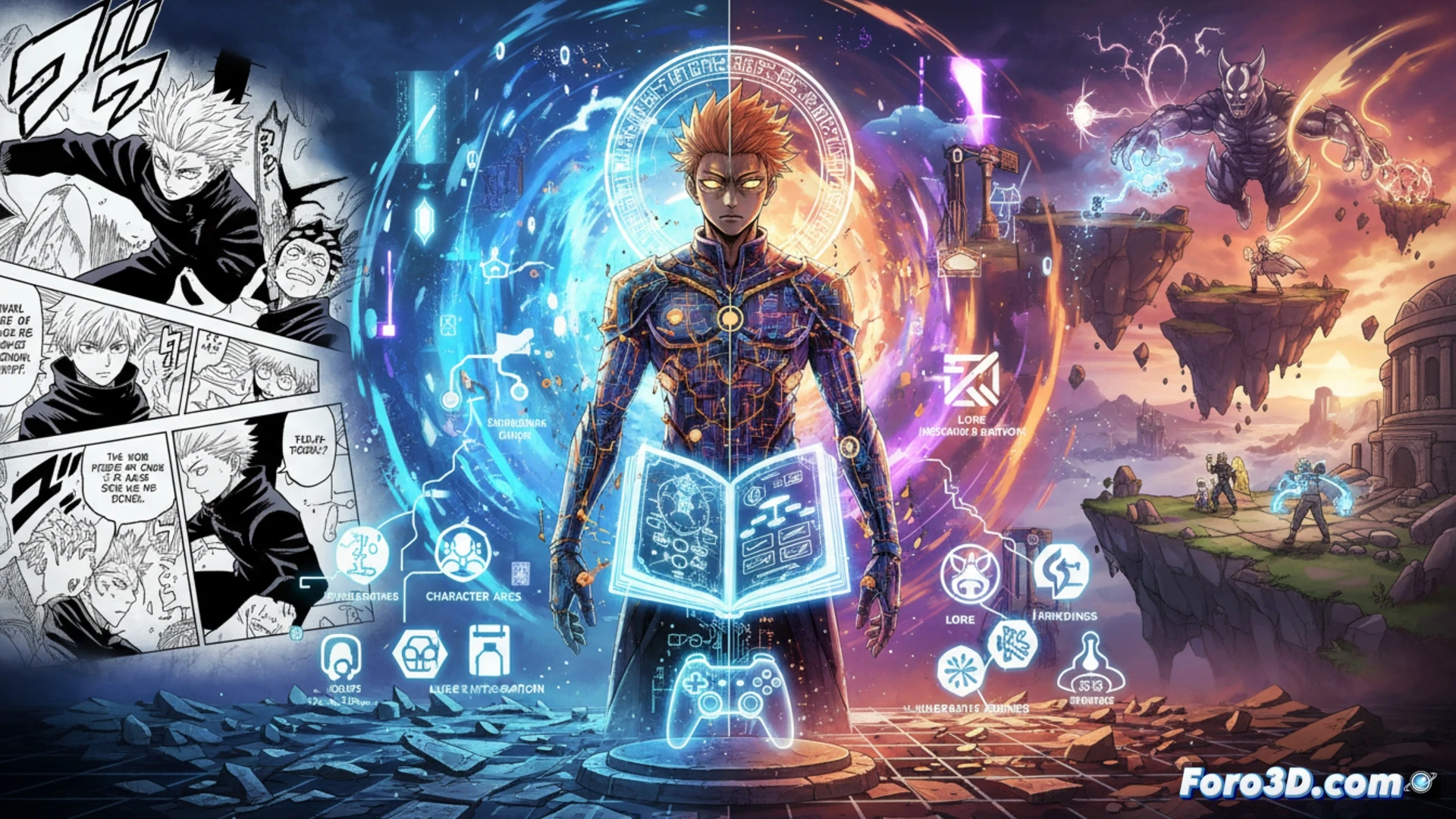
Game Mechanics and Transformation Narrative 🎮
Yuji's evolution suggests deep gameplay mechanics. Imagine a system where the player's actions, or a hidden counter, determine the character's final fate after the campaign. It could unlock a new game mode or mechanic for future playthroughs where the character, now as an entity, grants bonuses or alters the world. This design would reflect his legacy. Additionally, his role as a contingency plan inspires the creation of reactive lore: stories and missions that only activate if the player fails certain objectives, integrating failure as part of a larger and more complex narrative.
The Sacrifice as the Seed of Lore 🌱
Yuji's ending underscores a powerful narrative tool: the sacrifice that seeds the future. For video games, especially RPGs or titles with saga aspirations, this concept is vital. The protagonist may not be the eternal hero, but the seed of a myth. His transformation or death can define the world's mythology for sequels, generating new factions, cults, or threats based on his legacy. This gives real weight to the player's decisions and creates a universe that lives beyond the screen, inviting the community to speculate and explore every corner of the story.
How would you approach the lighting in this level? 💡