This week's comic releases, such as Absolute Batman 18 or Exorcism at Buckingham Palace 1, are more than stories. For developers, they are quarries of narrative and visual ideas. Analyzing how these works transfer their essence to the interactive medium is an invaluable design exercise. The key question is: what mechanics, atmospheres, and game structures could be born from these pages? 🎮
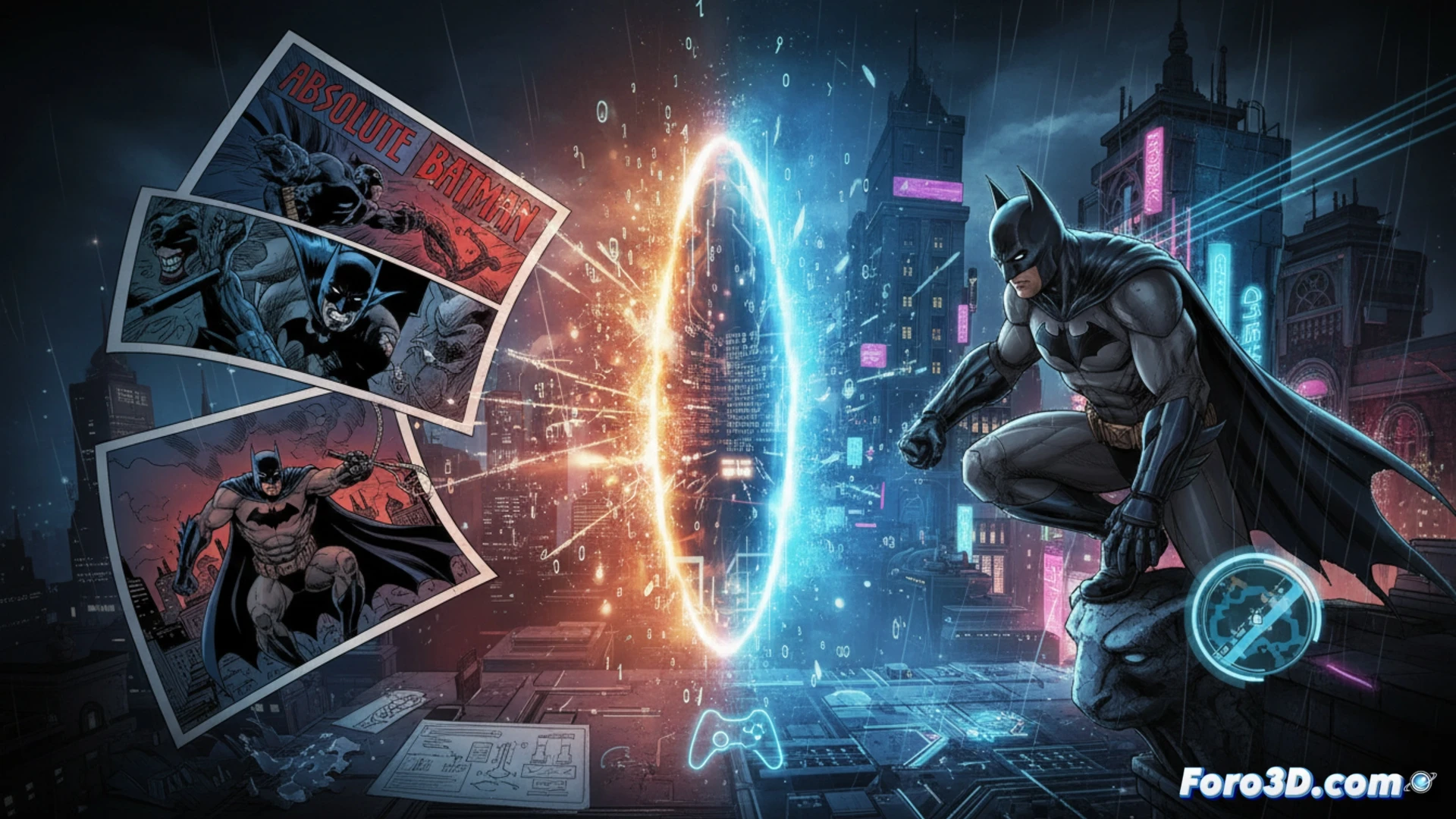
Deconstructing the Source: Technical Analysis of Adaptation 🔧
Each comic poses a distinct technical challenge. The epic Batman-Joker duel is not just a fight, it is a narrative encounter that would require a final boss AI with emotional phases, reflecting the comic's tension. The supernatural horror in Buckingham Palace is a manual for ambiance: spatial sound, dynamic lighting, and scripted events for psychological scares, not just gore. Tigress Island, with its mystery and adventure, suggests a non-linear level design and environmental puzzles integrated into exploration. Adaptation requires extracting the thematic backbone and rebuilding it with game tools.
The Essence over the Pixels 🎨
The greatest learning is not in copying panels, but in capturing the feeling. A Batman video game must convey obsession and intellect; a supernatural horror one, vulnerability and mystery. Comics remind us that, before programming the mechanics, we must define the emotional tone that will guide every design decision, from character control to the color palette. The best adaptation interacts with the spirit of the original work.
How do the unique narrative resources of comics, such as panels, visual rhythm, and framed texts, translate into game mechanics and interactive level design?
(P.S.: shaders are like mayonnaise: if they curdle, you start all over again)