The recent release of Supergirl: Woman of Tomorrow comes accompanied by a line of figures and toys. For 3D professionals, this launch is a perfect case study on adapting digital assets to the physical world. The process of transforming the cinematic Supergirl model into a manufacturable action figure involves very specific technical challenges that have a direct correlation with video game development.
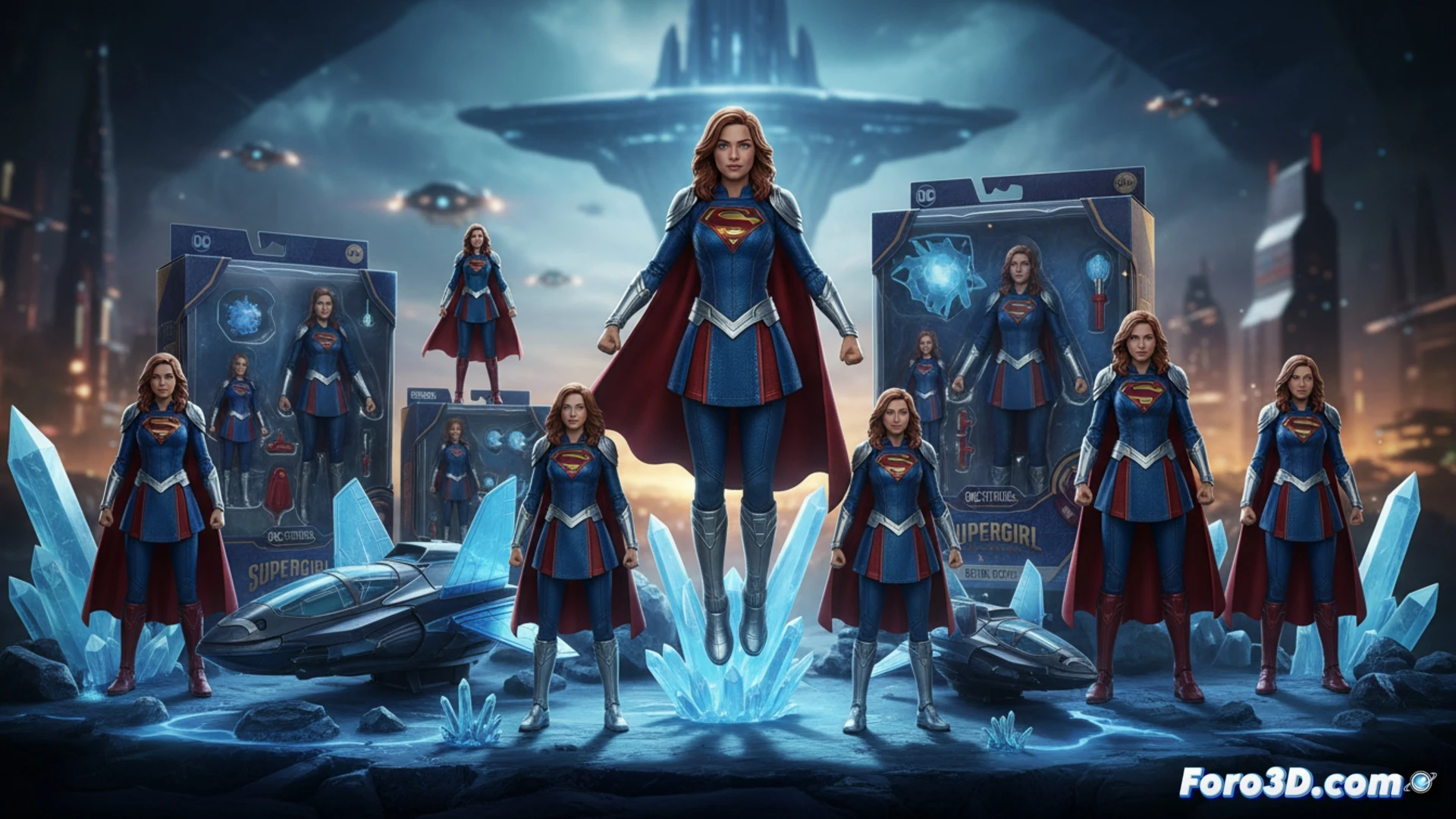
Geometric optimization and preparation for manufacturing 🛠️
The high-poly 3D model used in the movie must be completely reprocessed for plastic injection. Artists must ensure the structural integrity of the figure, defining parting lines for the molds, calculating minimum material thicknesses, and simplifying the geometry without losing the essence of the design. This process of retopology and creating manufacturing-ready meshes is analogous to optimizing a model for a video game, where the goal is the smallest number of polygons possible while maintaining the silhouette and key details, which in this case are added through painted or engraved textures.
A cross-industry workflow 🔄
This pipeline demonstrates how 3D modeling, texturing, and asset preparation skills are transversal to various industries. A professional capable of adapting a character for a physical toy deeply understands the principles of form, volume, and detail that they then apply to models for video game engines. Merchandising is not just a commercial product; it is the materialization of a rigorous 3D development process.
What specific technical challenges does the 3D artist face when adapting a digital model created for cinematic CGI or video games to the manufacturing requirements for an action figure or physical merchandising?
(P.S.: 90% of development time is polishing, the other 90% is fixing bugs)