A recent study with over 3500 adults has established a quantifiable correlation between higher fiber intake and an improvement in sleep quality, specifically in the N3 or deep sleep phase. The research overcomes previous limitations by using medical devices for objective sleep measurement and real-time dietary logging. This approach based on precise physiological data is the natural terrain for 3D biomedical tools.
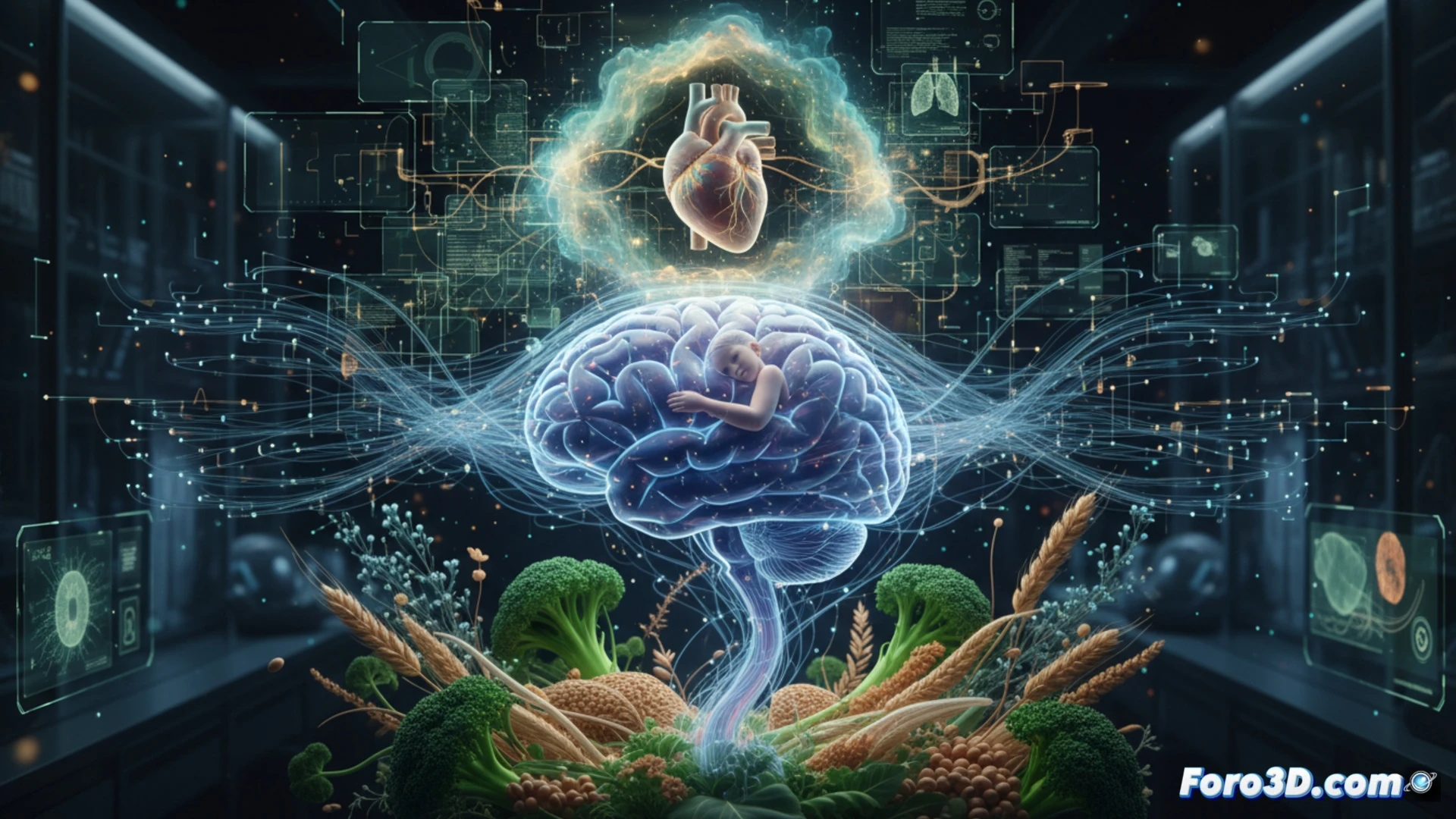
From EEG to 3D model: visualizing sleep architecture 🧠
Traditional polysomnography generates massive flows of electroencephalographic data. This is where 3D visualization offers a qualitative leap. We could transform those brain waves into dynamic spatial models, where each sleep phase N1, N2, N3, and REM is represented with a distinctive geometry, color, or texture. Imagine a digital twin of the nighttime sleep pattern, a 3D object that encapsulates its architecture. Over this model, layers of nutritional data, such as fiber intake, could be overlaid, allowing immediate visual correlations and an intuitive understanding of how diet modulates the depth and structure of rest.
Towards personalized and understandable medicine 🏥
This integration of objective data into a 3D visual model is not just a research tool. It represents a fundamental bridge for personalized medicine and patient education. A doctor could show a person with insomnia a model of their own sleep, compare it to an optimal one, and visually simulate the potential impact of modifying their diet. 3D biomedicine thus turns complex data into comprehensible narratives, empowering patients in their health care.
How could 3D visualization of biometric sleep data help us model and understand the impact of diet, specifically fiber, on deep sleep architecture?
(PS: If you print a heart in 3D, make sure it beats... or at least doesn't have copyright issues.)