Spy photos of the FIAT Argo 2027, destined for Brazil, reveal a radical simplification strategy compared to the European Grande Panda. This approach, focused on reducing costs through halogen headlights and austere details, is not improvised. Behind each decision is exhaustive 3D modeling and simulation work, key tools for validating the technical and aesthetic viability of an accessible vehicle without compromising the integrity of the global platform it shares.
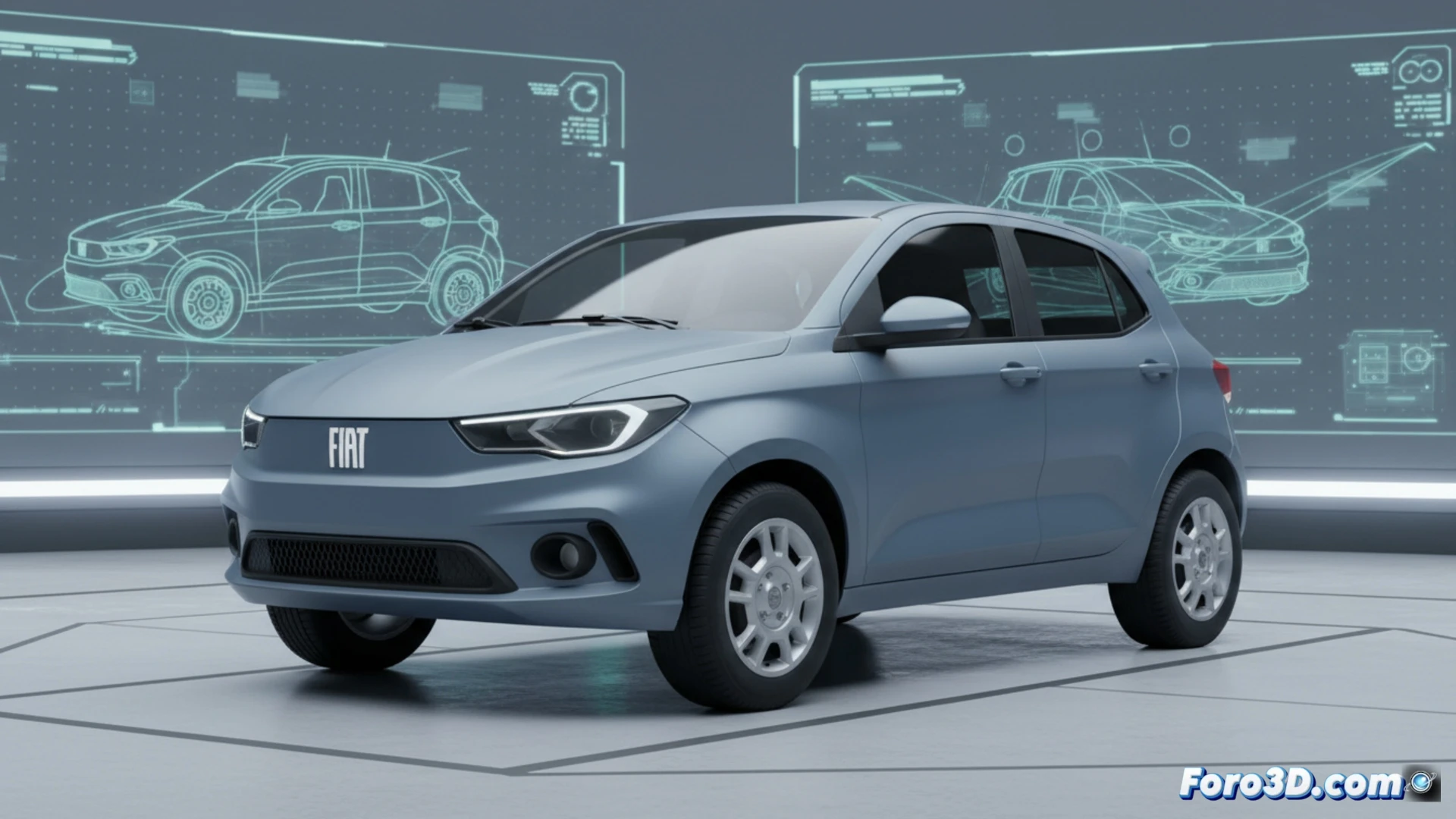
3D Modeling for Cost and Systems Optimization 🛠️
The development of the Argo 2027 is a case study on the use of 3D for value engineering. Digital modeling allowed redesigning components like bumpers and lights, eliminating aesthetic and functional complexities while ensuring their proper integration and homologation. In parallel, computational simulation was crucial for adapting and validating the different gasoline, ethanol, and hybrid propulsion systems to the same chassis, optimizing the layout of the electrical and thermal architecture for each variant, all in a virtual environment that saves physical prototypes.
3D as a Bridge Between Global and Local Markets 🌍
This project underscores how 3D technologies are the indispensable bridge between a global platform and the demands of a local market. It's not just about removing elements, but digitally reengineering a complete product, ensuring its coherence and profitability. The Argo's development cycle demonstrates that, in modern industry, economic accessibility is designed first in the digital realm.
How can 3D modeling and simulation optimize cost reduction in the design of a vehicle like the Fiat Argo 2027 without compromising its structural integrity and safety?
(PS: simulating an ECU is like programming a toaster: it seems easy until you order a croissant)