The tuning industry mourns one of its legends. AC Schnitzer, the historic German BMW tuner, announced its definitive closure by the end of 2026. After 39 years of successes on tracks and roads, the company succumbs to the perfect storms battering the sector: disruptive electrification, supply chain crisis, skyrocketing costs, and tariffs. Its disappearance is not an isolated event, but a symptom of the profound technological change redefining the automotive industry and leaving behind the craftsmen of mechanics.
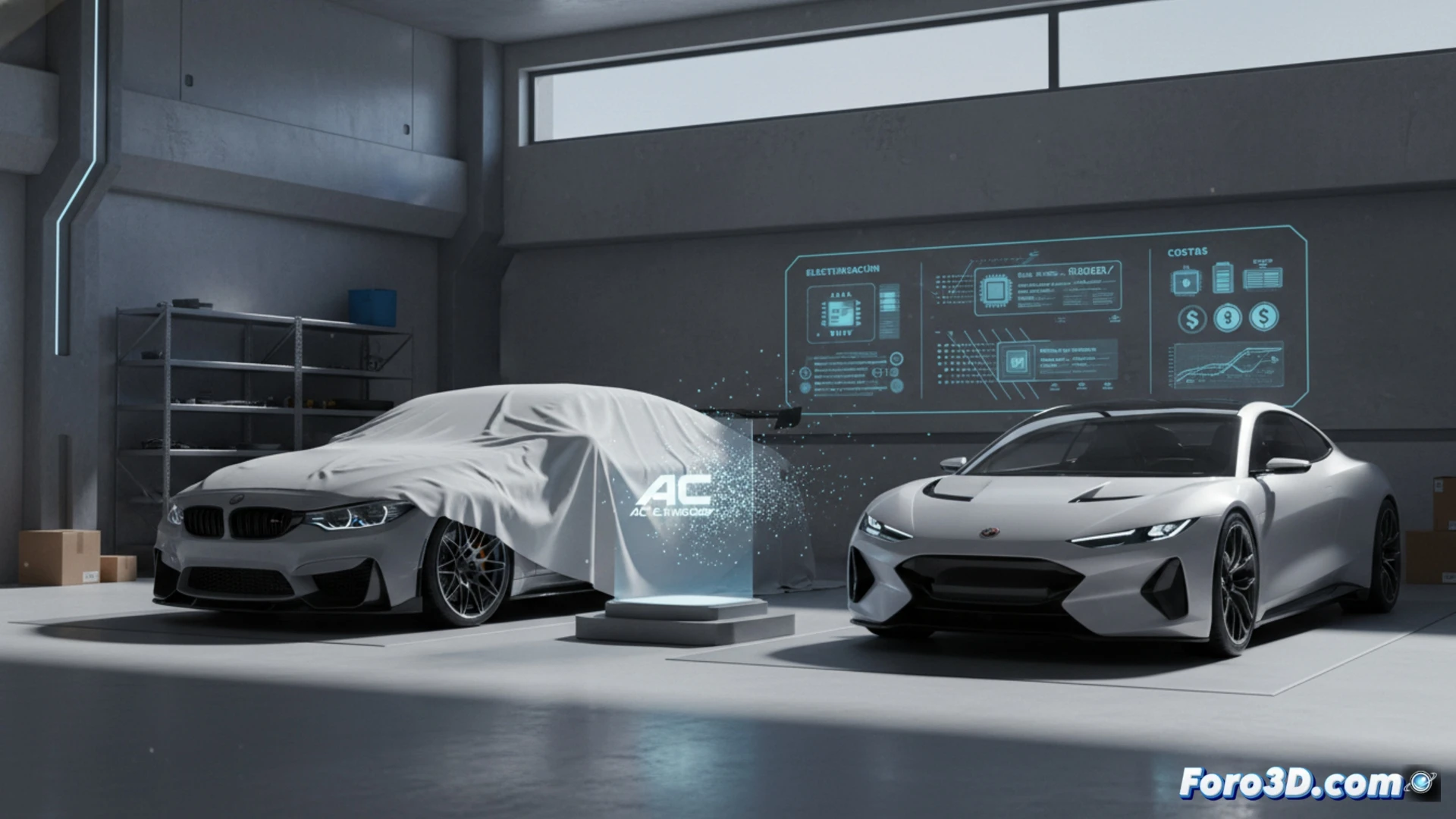
From the test bench to the digital twin: the technological abyss 🚨
The core of the problem lies in a radical methodological transition. Traditionally, firms like AC Schnitzer based their work on trial-and-error engineering, with physical prototypes, test tracks, and deeply tactile knowledge. Today, vehicle development, especially for electrified ones or those with complex ADAS systems, is almost entirely conceived in the digital domain. Parametric 3D modeling, CFD simulation of airflow and thermal dynamics, and digital twins that replicate every car behavior are standard tools at manufacturers. For a small tuner, accessing these closed digital models and reverse-engineering complex energy management systems is an insurmountable barrier, both technically and economically.
Reflection: Does tuning have a future in the digital era? 🤔
AC Schnitzer's farewell raises a crucial question. In a future where performance is defined by software and the bodywork is an integrated aerodynamic module, the space for traditional physical modification shrinks. The new tuning might migrate toward software customization, user interfaces, or sound modules, but it will require alliances with manufacturers. The era of the craftsman who transformed a BMW in a workshop seems to be coming to an end, replaced by an ecosystem where innovation is born on servers and validated in 3D simulation environments before touching metal.
How will AC Schnitzer's closure affect the workflow and culture of digital 3D tuning, especially in the creation of models and virtual modifications for BMW?
(PS: simulating an ECU is like programming a toaster: it seems easy until you order a croissant)