Square Enix and the independent studio have released the playable demo of Etrange Overlord, the upcoming musical action-adventure game. This trial version, accessible on PS5, PS4, Nintendo Switch, and Steam, allows players to experience the first hours of the adventure, advancing up to stage 2-4. A crucial detail for the community is that progress saved in the demo can be transferred to the full version of the game after applying the day-one patch. The global launch is set for March 26.
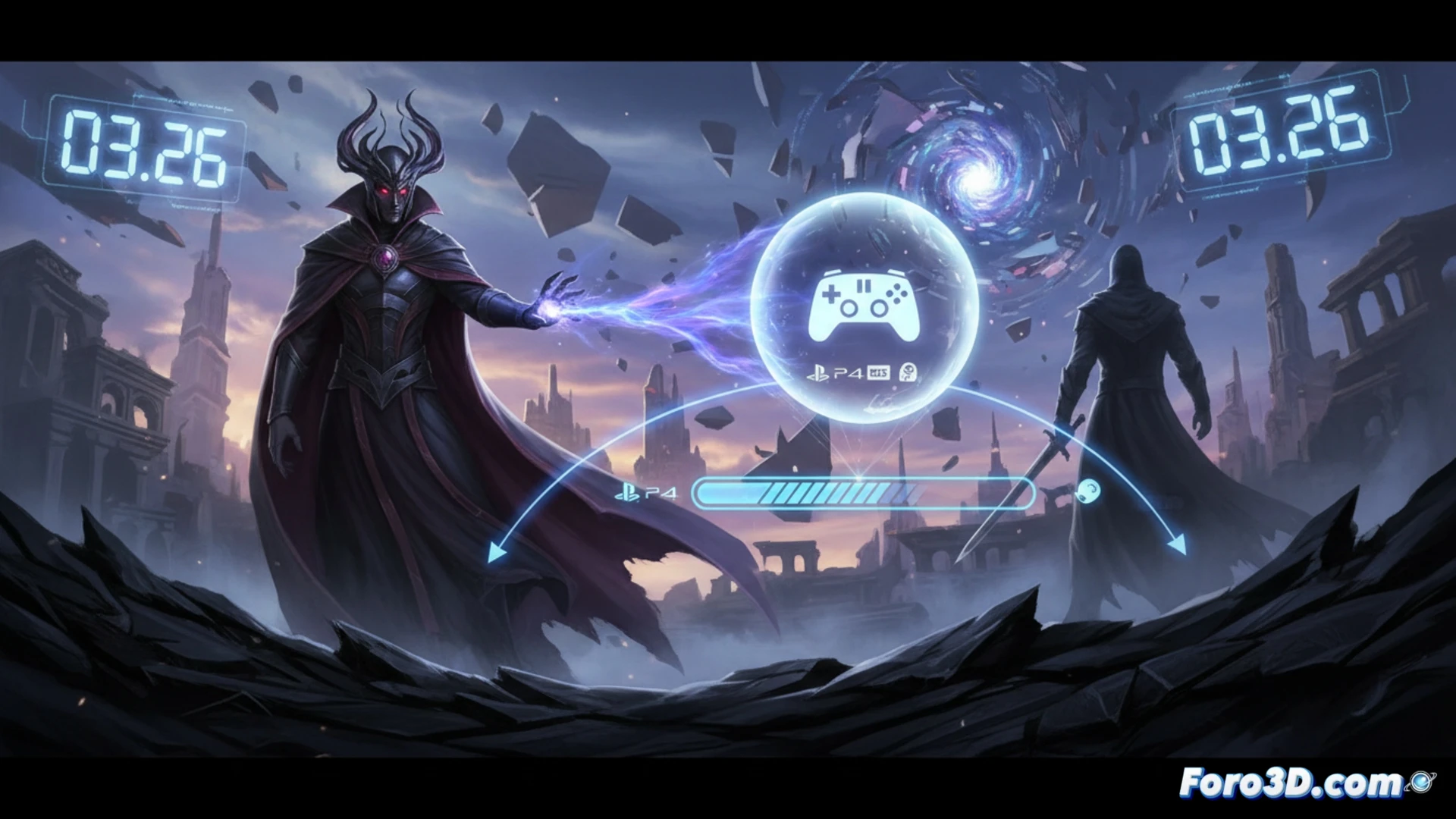
Demo Strategy and Launch Pipeline for Developers 🛠️
The decision to release a demo with progress transfer is a notable technical and marketing strategy for developers. From a pipeline perspective, this demo serves as a final load test for servers and cross-platform save systems before the official launch. For studios using engines like Unity or Unreal Engine, coordinating a stable build across four distinct platforms—PS5, PS4, Switch, and PC—is a significant technical achievement. Additionally, this practice fosters early community feedback, allowing last-minute adjustments and generating engagement. The promise of preserving progress incentivizes participation in the demo, turning it into a highly effective user acquisition tool.
The Value of Pre-Launch Feedback 📊
For any developer, the pre-launch period is critical. A public demo like this acts as a large-scale focus test, providing valuable data on balance, performance, and potential bugs across diverse hardware. The Foro3D community, made up of creators, can analyze this strategy as a case study on managing expectations and polishing the final user experience. Integrating the demo into the development cycle, culminating in a day-one patch that enables transfer, reflects modern launch planning.
How can implementing progress transfer from a demo, as in Etrange Overlord, influence player retention and the commercial success of an indie video game?
(P.S.: a game developer is someone who spends 1000 hours making a game that people complete in 2)