Raw Fury and Christoffer Bodegård have released Esoteric Ebb, an indie RPG that's already generating conversation due to its narrative ambition. Directly inspired by classics like Planescape: Torment and Disco Elysium, the game puts us in the shoes of a priest investigating an attack in the city of Norvik. With very positive reviews praising its writing and role-playing depth, some are already calling it the best RPG of the year. This analysis focuses on its development mechanics and design.
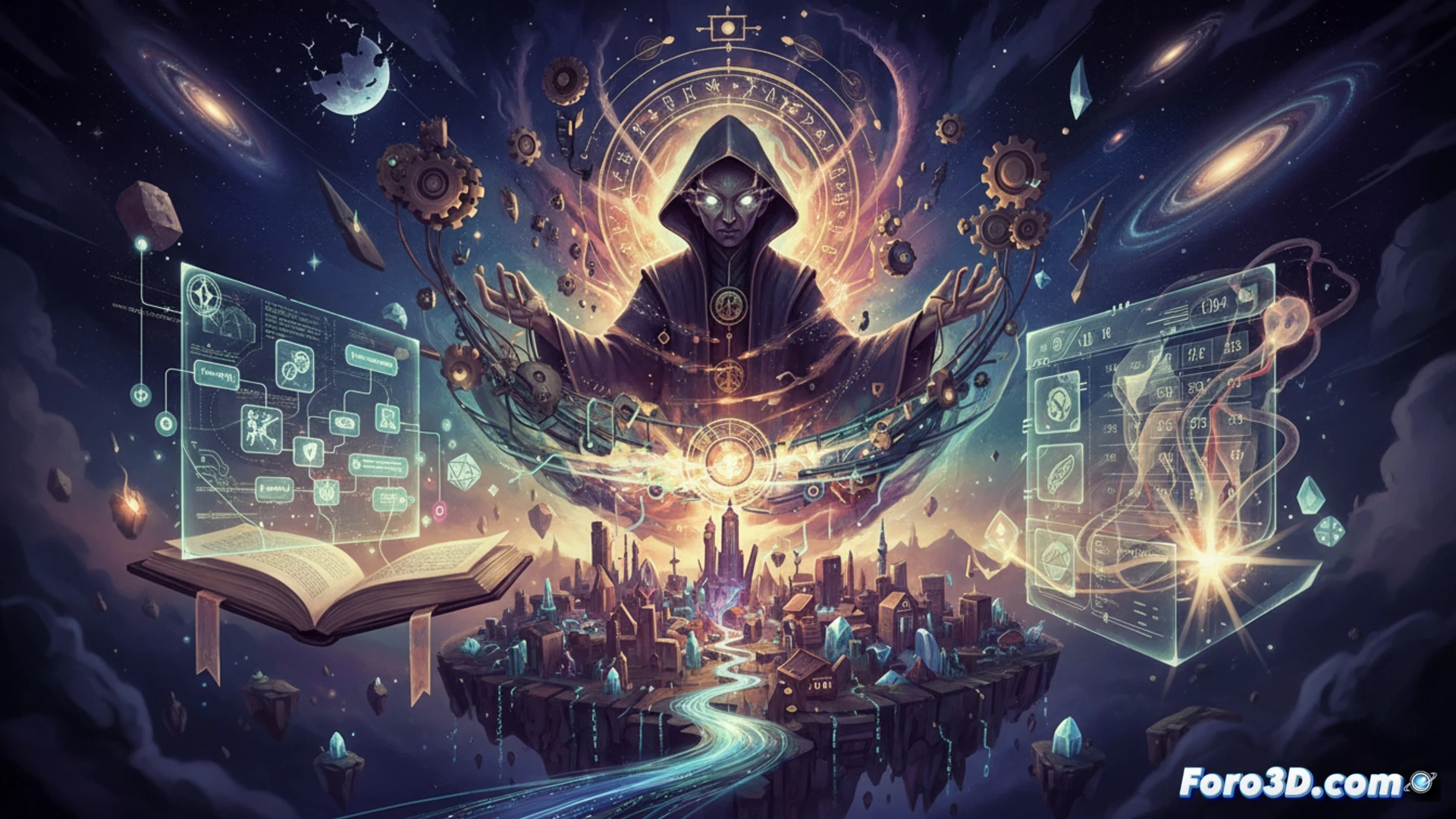
Design Mechanics: Branched Narrative and D&D Combat 🎲
The technical core of Esoteric Ebb is its narrative role-playing system, a monumental challenge of writing and logic. The game must manage an extensive and branched dialogue tree, where moral decisions and character statistics permanently alter the plot and relationships, similar to the work done in Disco Elysium. On the other hand, the turn-based combat implements rules adapted from Dungeons and Dragons, requiring a separate but integrated layer of systems with the narrative. A notable technical point is its optimization for Steam Deck, demonstrating a focus on performance on limited hardware. Its release only in English, however, limits its reach and raises a debate about localization in indie projects with massive texts.
The Future of Indie Narrative RPG ❓
Esoteric Ebb reaffirms that narrative depth and traditional role-playing mechanics have a vital space in indie games. Its critical success proves there is an audience for complex stories and tabletop rules-based combat systems, even with a tight budget. The question for developers is how to balance this ambition with available resources, especially in creating branched content and localization. How far can a small team go in simulating a living and reactive world?
How would you approach the lighting in this level?