German Chancellor Friedrich Merz has questioned the plans for the gradual phase-out of coal, scheduled for 2038, amid the energy crisis exacerbated by the conflict in the Middle East. He argues that supply security is a priority and that coal power plants may need to operate longer. This shift reveals the vulnerability of energy transitions to geopolitical shocks, even in a power with 60% renewable generation.
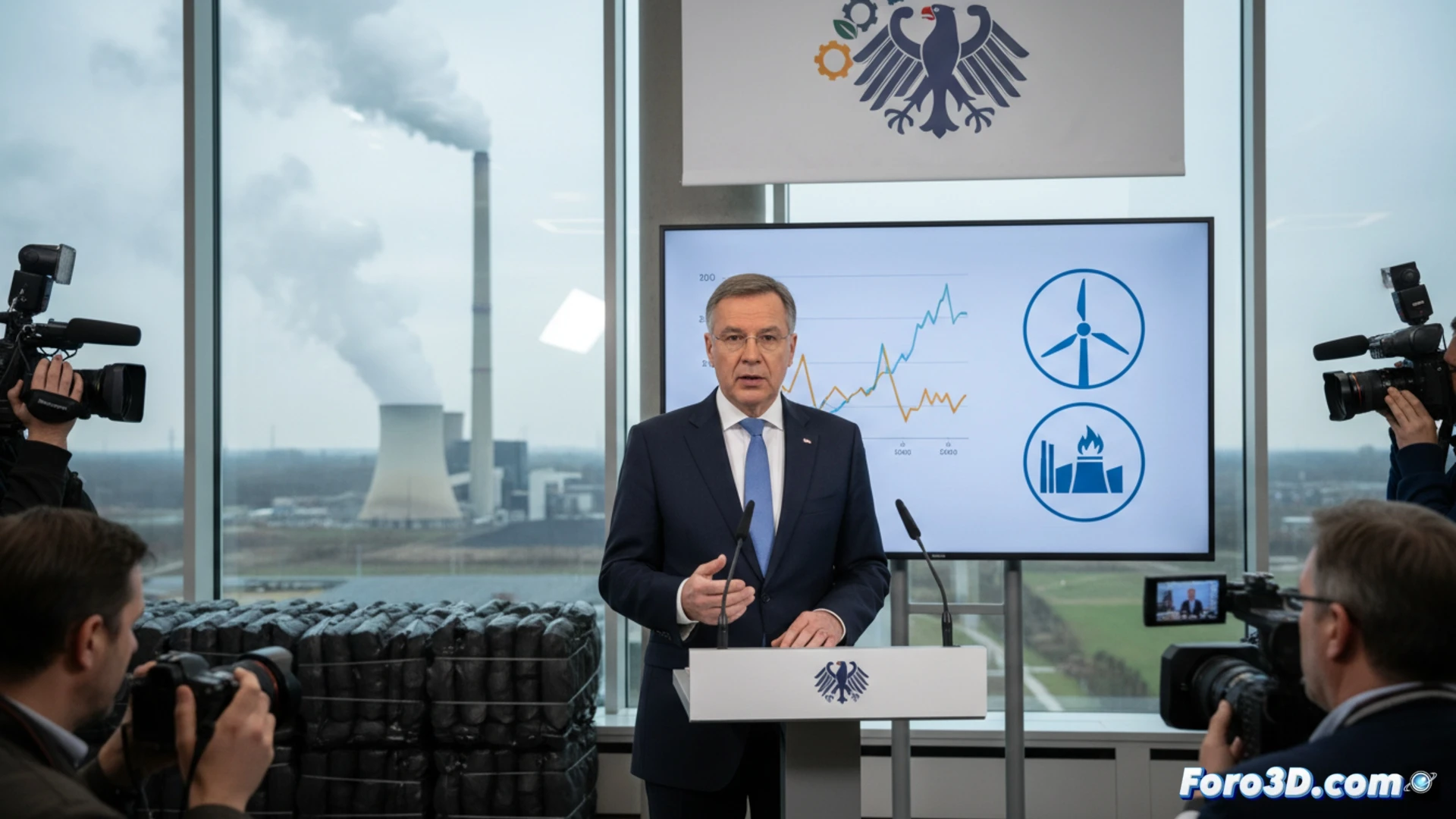
Visualizing dependency: the German energy map under pressure 🔍
A geospatial analysis of the German supply chain is crucial. Through interactive 3D maps, we can visualize the location of coal power plants and their transportation network, overlaid on wind and solar farms. The key diagram shows natural gas import routes, the complement chosen by Merz, highlighting bottlenecks and risk points, such as the Strait of Hormuz or pipelines crossing unstable areas. This cartography shows how a distant disruption strains the entire system, forcing reliance on local assets considered obsolete.
Lessons for the transition: resilience versus ideal deadlines ⚖️
The German case is a stark reminder: no energy transition is immune to geopolitics. Decarbonization commitments clash with the reality of ensuring basic supply. The bet on gas as a bridge, though pragmatic, replaces one dependency with another. The lesson for Europe is clear: strategic autonomy requires not only renewable capacity, but also massive storage, smart grids, and planning that anticipates global crisis scenarios.
How does Germany's decision to reconsider its coal phase-out affect the resilience and geopolitical reconfiguration of energy supply chains in Europe?
(P.S.: geopolitical risk maps are like the weather: there's always a storm somewhere) 🌩️