Techland announces a fundamental transformation for Dying Light: The Beast with the Restored Land edition, scheduled for March 26, 2026. This free update for owners of the original game not only adds content but redefines the base experience through stricter survival mechanics and a persistent world. We analyze this move as a case study in post-launch evolution and core systems redesign. 🎮
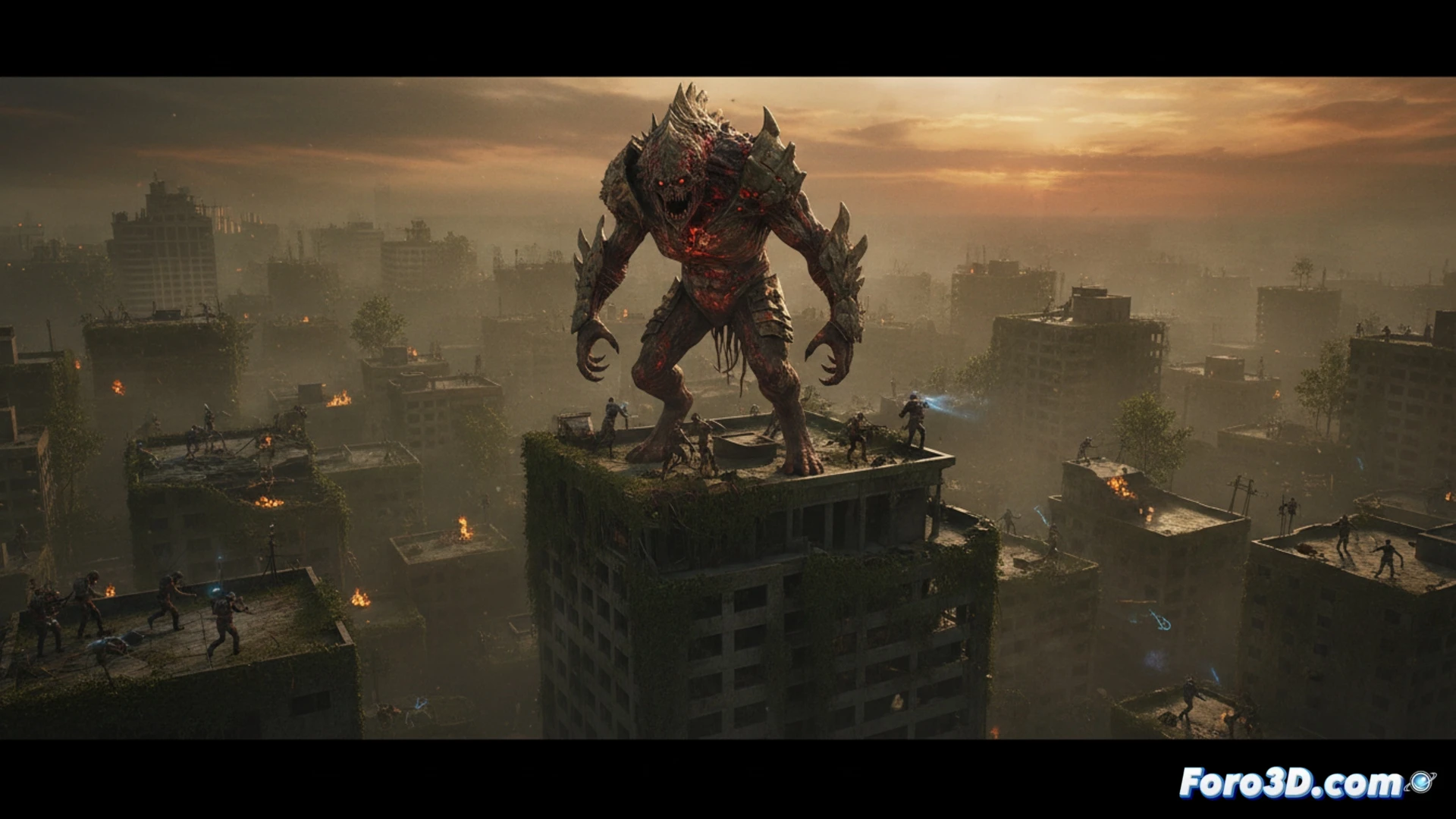
Technical analysis: persistence mechanics and scarcity ⚙️
The core of Restored Land is a systemic shift toward a persistent sandbox. The removal of zombie respawn and non-regeneration of resources forces a more meticulous level design and game economy. Every resource spent and every enemy eliminated has a permanent impact, shifting the moment-to-moment tension to long-term management. Penalties like flashlight battery consumption integrate secondary mechanics into the main survival loop. These adjustments turn the world into a more active and challenging character, prioritizing immersion and consequences over player convenience.
Trends in post-launch support and redesign 🔄
Restored Land exemplifies the trend of reimagining established titles through free updates that deeply alter the design philosophy. Beyond additional content, Techland offers a new interpretation of its own work, similar to a director's cut. This retains the existing community and attracts new players seeking a refined challenge, significantly and relevantly extending the game's lifecycle.
How does technical remastering influence the longevity and relevance of a video game in the current market, taking as a case study the evolution of Dying Light: The Beast with its Restored Land edition?
(P.S.: shaders are like mayonnaise: if they break, everything starts over)