Ducati, the legendary asphalt brand, has taken a radical turn. After launching its first off-road motorcycle, the Desmo450 MX, in 2024, it is now developing a road-legal version: the Desmo450 EDS. Leaked European design records reveal the mandatory modifications. This process is a perfect example of how 3D modeling and simulation are today indispensable tools in automotive engineering, allowing the adaptation of a competitive platform to strict legal requirements. 🏍️
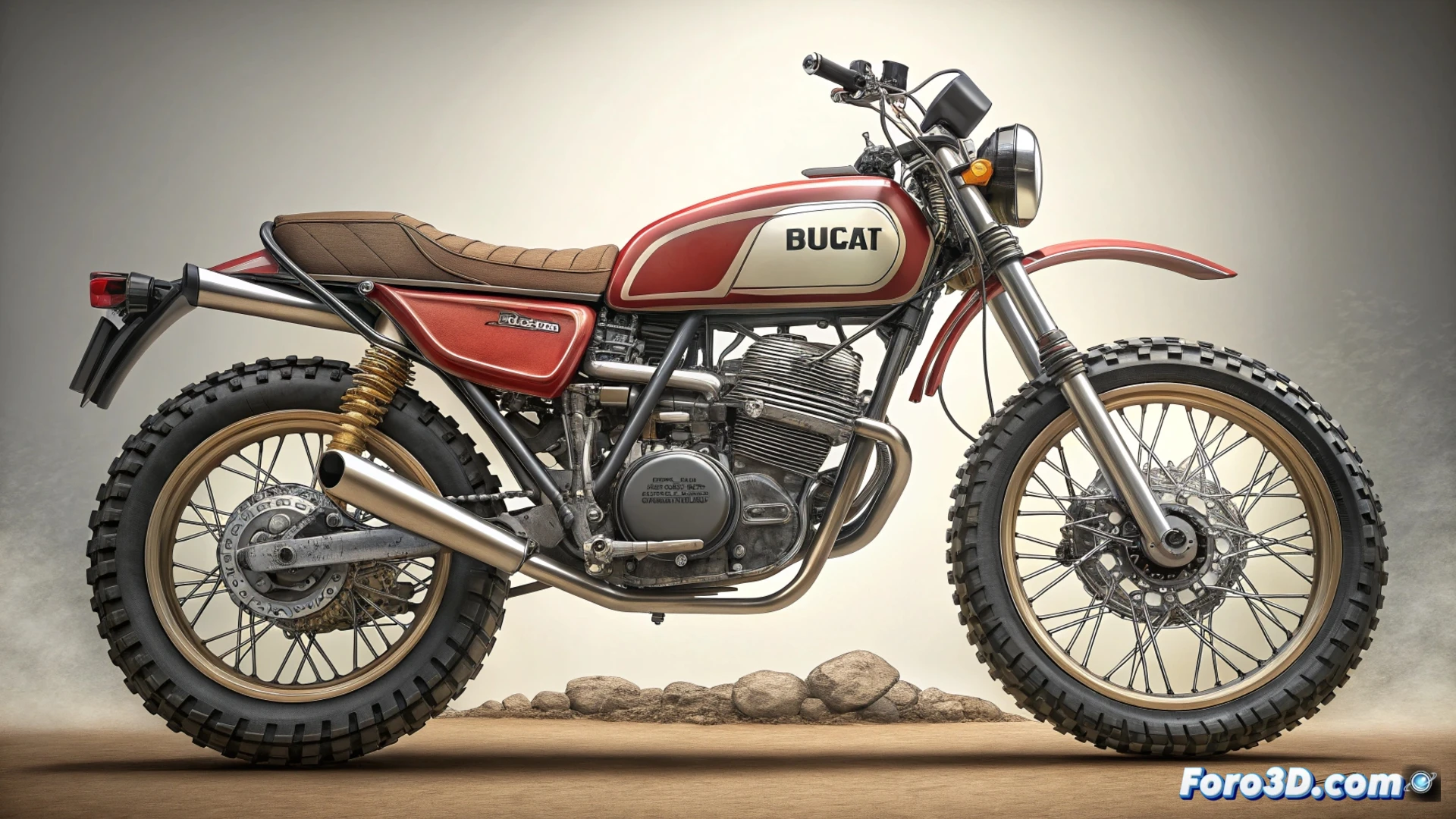
3D Modeling for Technical and Legal Adaptation ⚙️
The visible changes in the Desmo450 EDS, such as rearview mirrors, turn signals, headlight, and license plate holder, are just the tip of the iceberg. Behind them lies intense digital integration work. The original motorcycle's 3D platform serves as the base for designing, testing, and validating each new component. Simulation allows analyzing its aerodynamics, structural resistance, and compatibility with the chassis, ensuring they do not compromise performance. Additionally, the digital model is crucial for homologation processes, generating the precise technical and visual documentation required by regulatory bodies, all before manufacturing a single physical prototype.
A Digital Bridge between Two Worlds 🌉
The Desmo450 EDS symbolizes the fusion of two philosophies: off-road aggressiveness and on-road efficiency. This convergence would not be viable without 3D tools. The digital model acts as a bridge, allowing rapid iteration between competitive design and legal restrictions. Thus, Ducati not only adapts a motorcycle but also demonstrates how virtual engineering is key to expanding horizons, maintaining the brand's essence while meeting complex regulatory requirements in record time.
How has Ducati used 3D reverse engineering and computational fluid dynamics simulation to homologate and optimize the Desmo450 EDS in extreme off-road environments?
(P.S.: ADAS systems are like in-laws: always watching what you do)