The Dongfeng Box bursts into the urban segment as a low-cost electric rival, challenging models like the Peugeot 208. After a price cut, its price rivals the Renault 5. Its specifications, a 42.3 kWh battery and 95 HP for 340 km of range, promise significant savings. But beyond the numbers, its design and efficiency are the result of virtual engineering methodologies where 3D modeling and simulation are absolute protagonists. 🚗
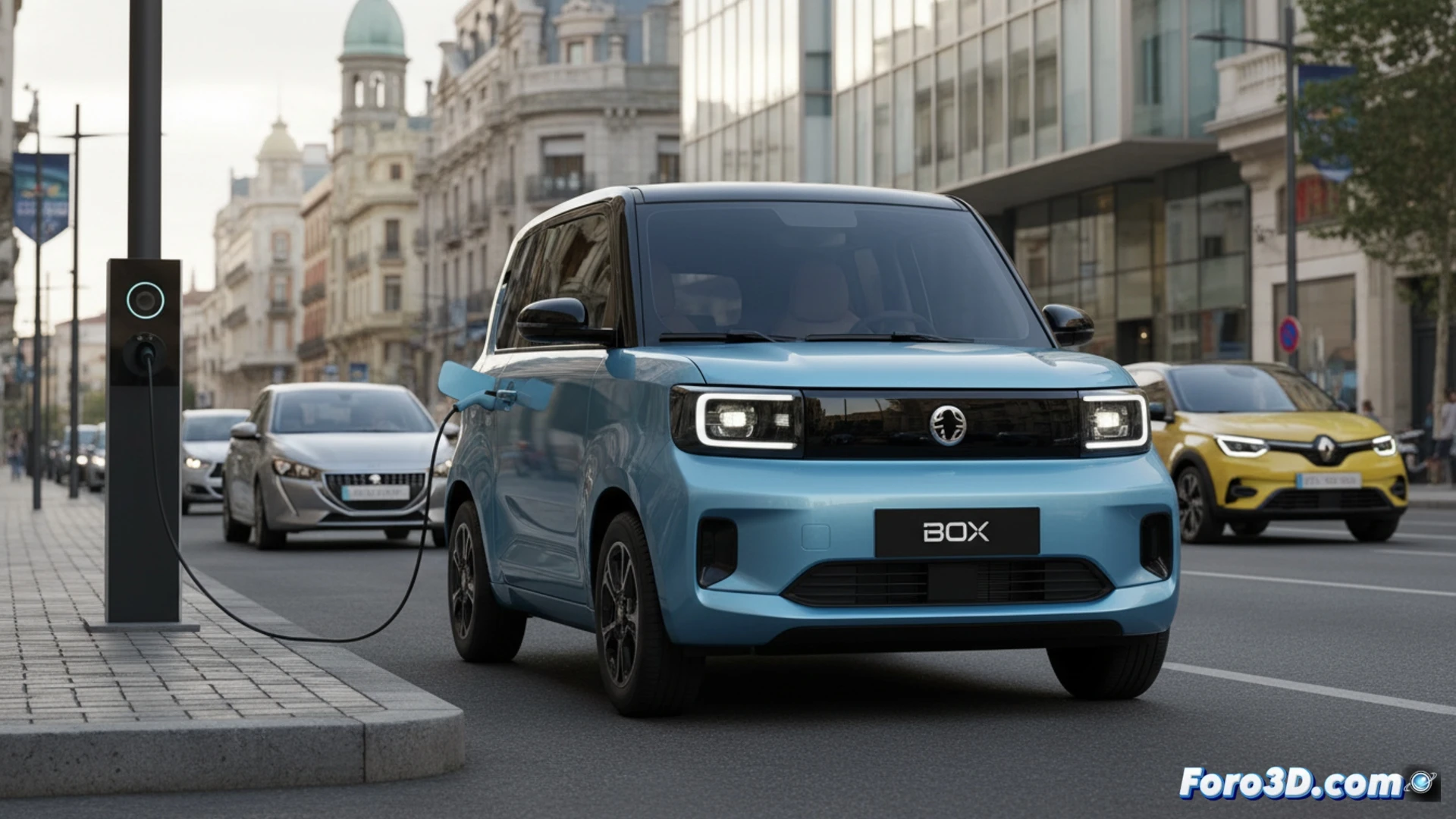
3D Simulation: Key to Efficiency and Declared Range 💡
The 340 km range and low consumption are not random data. They are validated through advanced 3D simulations that model airflow, aerodynamic resistance, and battery thermal management. Finite element analysis (FEA) and computational fluid dynamics (CFD) tools allow optimizing heat dissipation in the battery modules and the power electronics system (ECU), maximizing efficiency. Thus, each electrical component is designed and tested virtually to ensure that the announced specifications are met in real conditions.
The Future of Automotive Design is Digital ⚡
Cars like the Dongfeng Box evidence an unstoppable trend: the democratization of electric mobility passes through the digitalization of development. Cost reduction and fine-tuning of performance are possible thanks to virtual design cycles that shorten deadlines and eliminate costly physical prototypes. Analyzing a vehicle today involves understanding the digital models that made it viable, a reality that every automotive and 3D systems enthusiast must comprehend.
How does 3D-assisted design and engineering impact the cost reduction in manufacturing the Dongfeng Box to position it as an economical electric rival?
(PS: at Foro3D our cars have more polygons than horsepower)