The vision of a humanoid robot helping at home has come out of the movies. Companies like 1X are already marketing models like NEO, offering them for purchase or subscription. This sector is experiencing notable growth, with multiple recent launches. However, after the initial enthusiasm, it is necessary to pragmatically analyze the current state of its functionality, its cost, and its true utility in a real domestic environment.
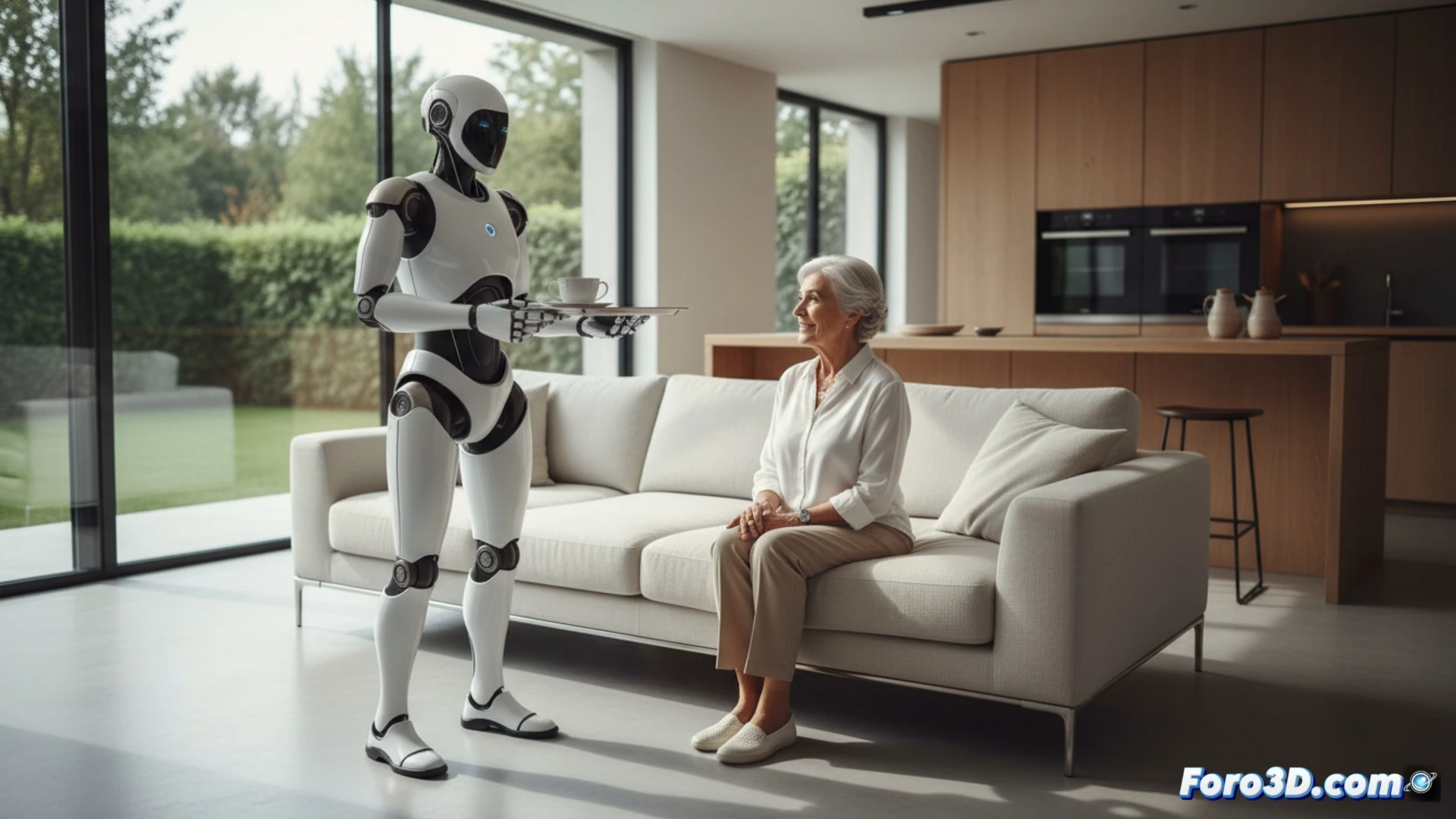
Advances in AI and hardware, but with practical limitations 🤖
Progress is based on improvements in learning algorithms and environmental perception, which allow these robots to navigate and manipulate objects with some autonomy. Bipedal locomotion and manual dexterity have advanced. However, household tasks are exceptionally complex for a machine: disordered contexts, diverse objects, and the need for semantic understanding of the space pose a challenge. Current functionality is usually restricted to controlled demonstrations or a limited set of actions.
My new Roomba has two legs and questions me with its gaze 😳
The idea is tempting: a metallic butler that, while mopping the floor, can debate philosophy. Reality is more like an extremely expensive roommate that takes twenty minutes to serve a glass of water, gets stuck in front of a half-open door, and whose monthly subscription costs more than the electricity bill. That said, when it finally manages to vacuum, it does so with a humanoid elegance that almost, almost, justifies watching your paycheck disappear into its processor.