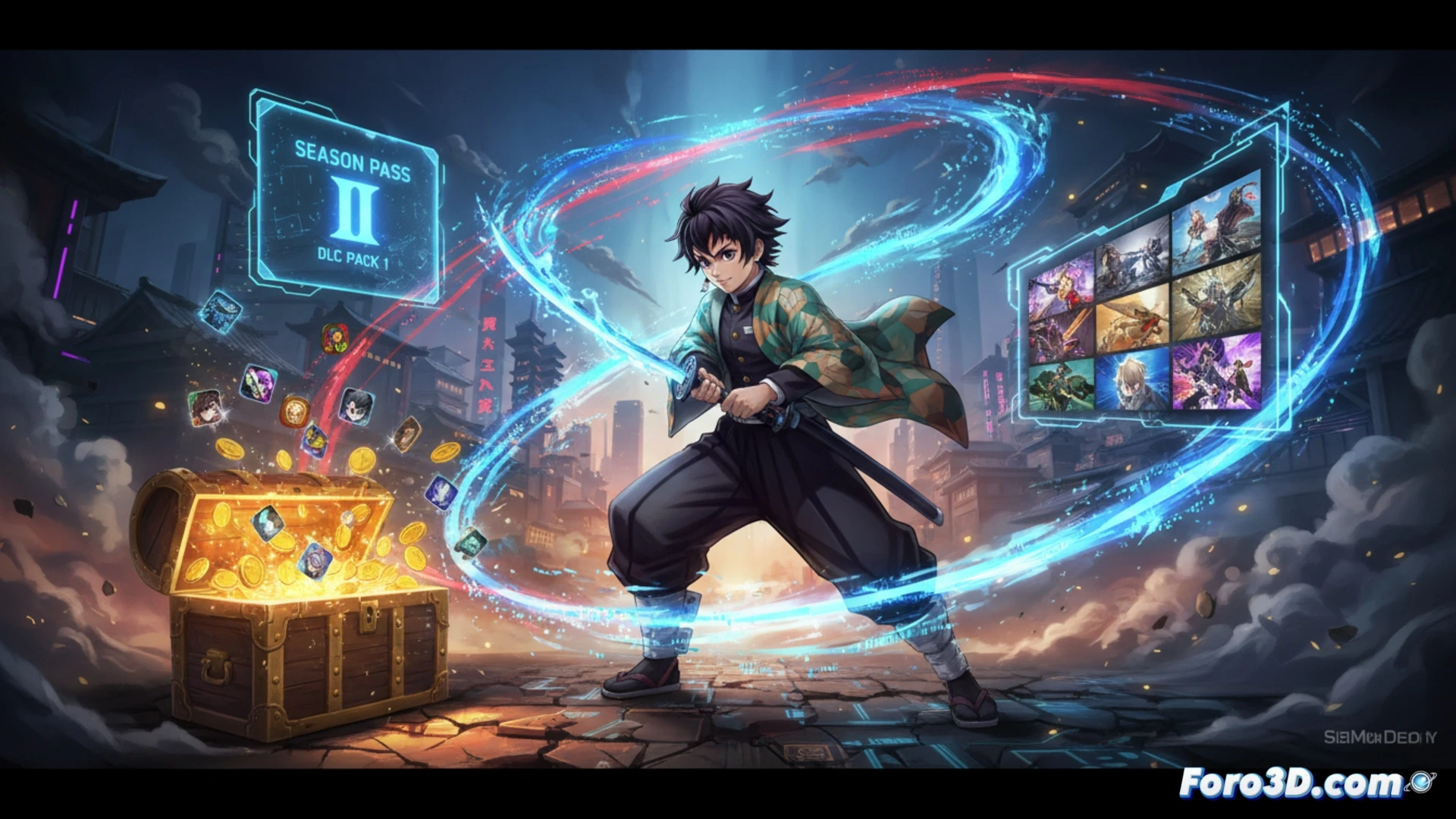
Aniplex and CyberConnect2 have announced the release of the Giyu Tomioka (Infinity Castle) DLC for Demon Slayer: Kimetsu no Yaiba – The Hinokami Chronicles 2, scheduled for March 12. This content, available individually or in a season pass, exemplifies the standard post-launch support strategy in fighting and arena games. The accompanying cinematic trailer reinforces the marketing campaign, aimed at maintaining the title's relevance and monetizing the existing player base.
The character pass business model and its execution 🎮
The dual offer, individual purchase or pass, is a well-established model. The pass ensures recurring revenue and builds player loyalty with multiple content deliveries, while individual sales capture users with specific interests. In this case, choosing an iconic character like Giyu maximizes appeal. From development, this content is usually created in parallel or shortly after the base launch, requiring gameplay balancing, new animations, and visual assets. The trailer not only showcases skills but also serves as proof of production quality, crucial for justifying the price and generating immediate anticipation before the sale.
DLCs as the axis of a video game's longevity 📈
Beyond revenue, this type of DLC fulfills a vital function: keeping the community active. A new fighter reignites the game's meta, encourages discussion on social media and forums, and can attract players who had abandoned the title. For the studio, it is an efficient way to extend the product's lifecycle with a relatively controlled investment, reusing the base engine and assets. The strategy, when well executed, transforms a one-time launch into a continuous service.
How does the model of playable character DLCs, like the recent Giyu in Hinokami Chronicles 2, influence the design of competitive balance and the longevity of a fighting game?
(P.S.: a game developer is someone who spends 1000 hours making a game that people complete in 2)