The race for AI is driving the construction of data centers on a colossal scale, such as Meta's 5 GW Hyperion project. These megaprojects present unprecedented engineering challenges in land, cooling, and energy. This is where Digital Twins emerge as a fundamental technology. These precise virtual replicas allow simulating, optimizing, and managing every phase of the lifecycle, from design to operation, making these infrastructures viable and more sustainable.
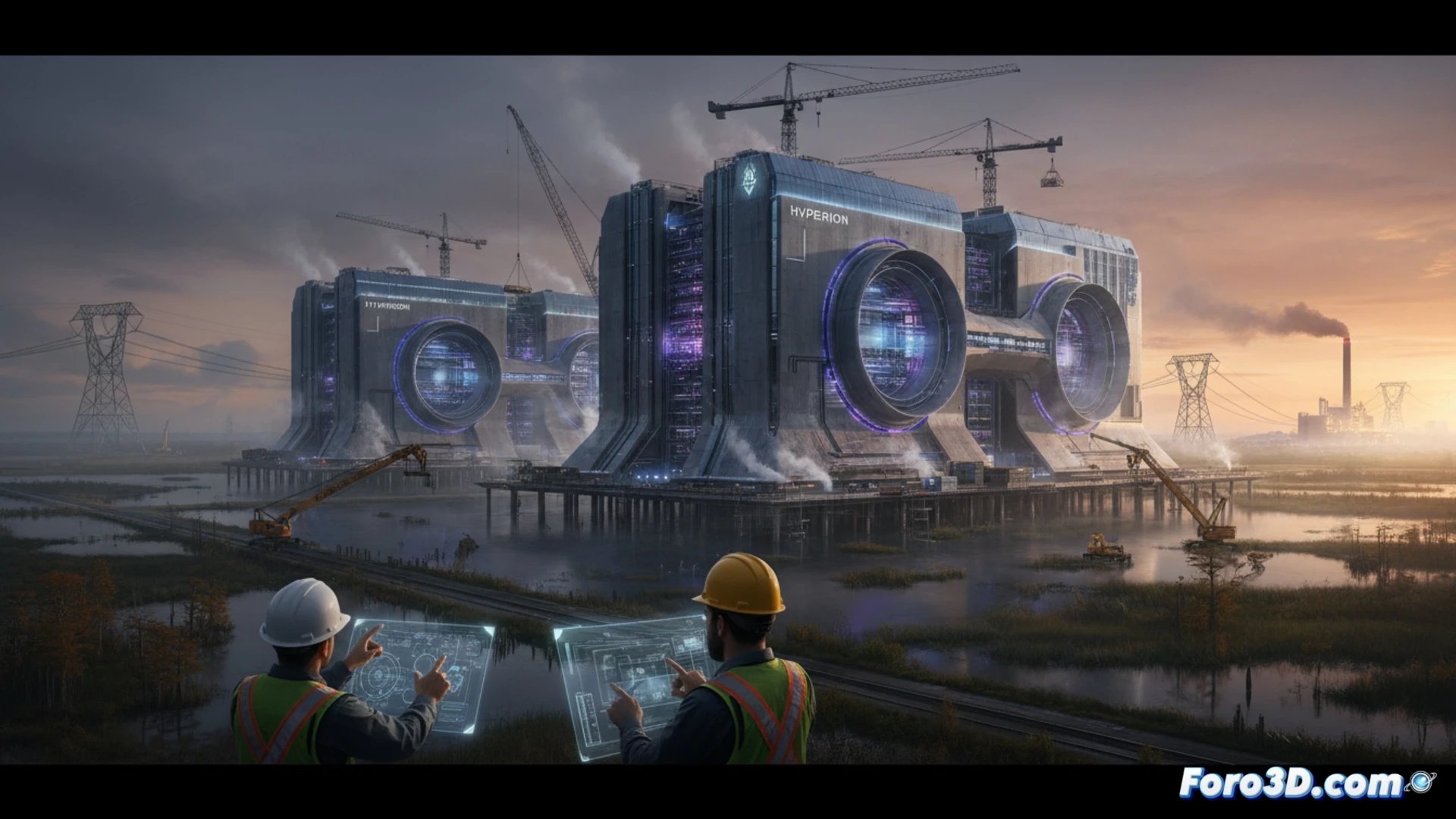
Comprehensive Simulation for Efficient Design and Operation 🤖
A digital twin of a hyperscale data center is a dynamic model that integrates architecture, electrical, mechanical, and cooling systems. Before digging, engineers can simulate thermal behavior under different computing loads, optimizing airflow and rack placement to minimize hot spots. It allows modeling real-time energy consumption, testing efficiency strategies, and predicting structural stress in complex foundations. This anticipatory capability reduces risks, accelerates construction, and enables operating the facility at its optimal point, saving gigawatt-hours and reducing the operational footprint.
Beyond Efficiency: A Sustainability Imperative 🌍
The true urgency of implementing digital twins goes beyond technical optimization. In the face of the enormous pressure these centers exert on local electrical grids and their massive carbon footprint, digital twins become a critical tool for accountability. They enable modeling the comprehensive environmental impact, integrating renewables more effectively, and planning circular operations. Without this predictive and virtual management capability, hyperscale advancement could be unsustainable. Digital twins are not just a technological advantage, but an essential component for balancing AI ambition with the planet's limits.
How can digital twins optimize the design and operation of gigawatt data centers to ensure their efficiency, sustainability, and scalability in the AI era? 💡
(P.S.: My digital twin is currently in a meeting, while I'm here modeling. So technically, I'm in two places at once.)