The virality of the #BringBack2016 trend is not a simple longing for a specific year. It is a collective emotional symptom. The public not only misses the visual aesthetic of that era, but the feeling of a more authentic and connected internet. For digital creatives, this phenomenon is not just a meme, it is an indirect brief from the audience, a clear signal of their deep desires in the current digital era.
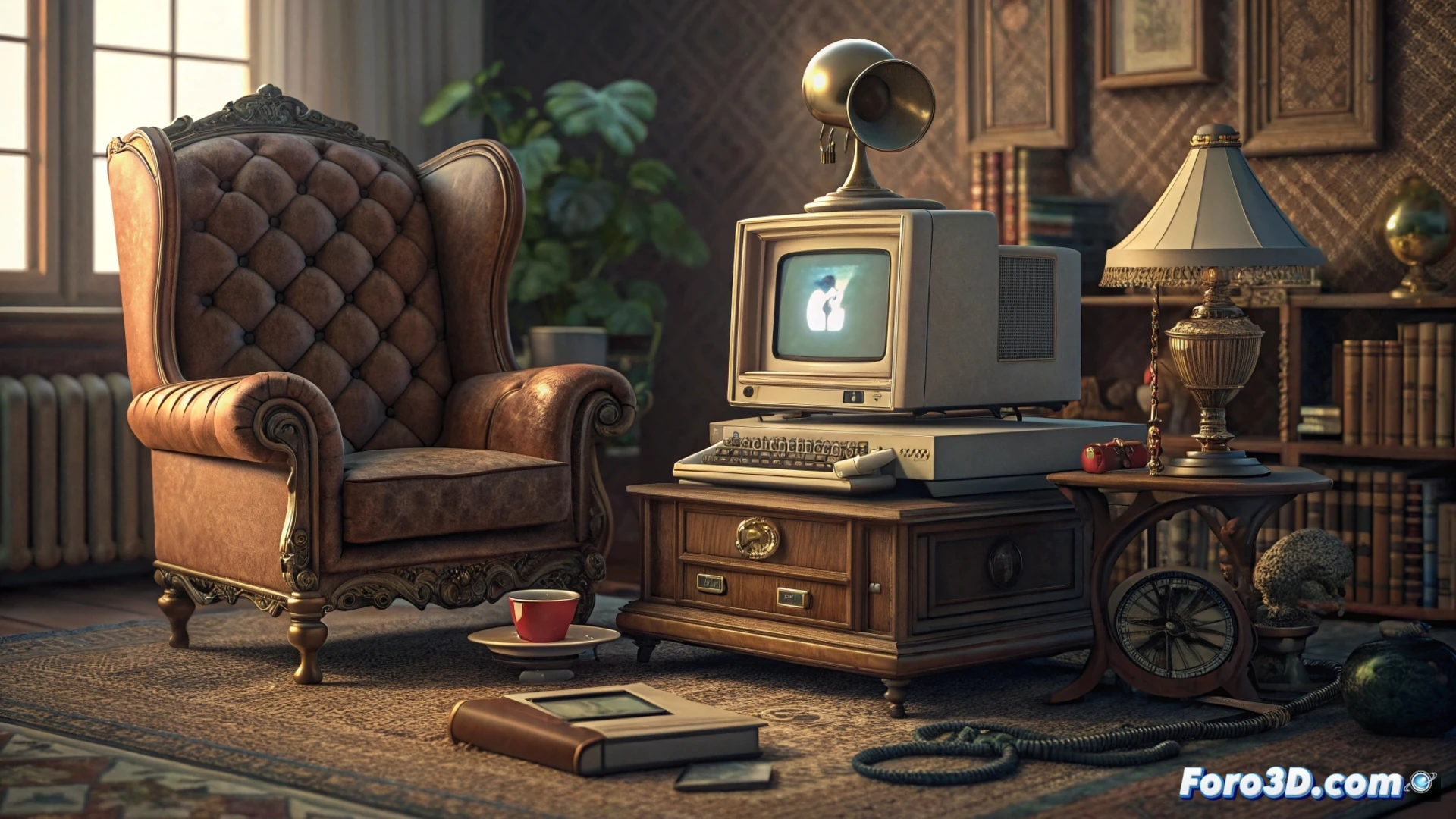
From aesthetics to emotion: decoding the signal for 3D and digital art 🎨
The key is to interpret the emotion behind the aesthetic. The desire for authenticity can be translated into 3D projects with imperfect textures, renders with a homemade touch or saturated color palettes that recall that era. The nostalgia for a less algorithmic network suggests creating more explorable and less guided digital experiences, like virtual environments with organic discovery. The nostalgia for playfulness invites incorporating playful elements and a sense of free experimentation in modeling and animation, fleeing from polished perfection.
The creative future lies in reading between viral lines 🔍
For the 3D designer and digital artist, phenomena like #BringBack2016 are an invaluable cultural barometer. It is not about literally copying the 2016 style, but capturing the emotional essence it represents: human connection, perceived authenticity, and uninhibited creativity. Integrating these emotional layers into current projects, from video game assets to immersive installations, is the most powerful way to connect with an audience that yearns for meaning behind the pixel.
How can the analysis of nostalgic trends like #BringBack2016 help understand collective anxieties and unmet expectations toward the future development of artificial intelligence and digital society?
(PS: the Streisand effect in action: the more you prohibit it, the more they use it, like microslop)