The Clair obscur exhibition from the Pinault Collection transcends mere aesthetic contemplation to establish itself as a powerful device for social reflection. By bringing together works by 27 artists who explore disappearance and death, the show uses art as an active tool. In the niche of digital art and activism, we understand tools not only as software, but as any medium that makes the invisible visible. Here, chiaroscuro, photography, and installation operate precisely in this way: they are conceptual technologies for visualizing and tangibilizing ephemerality, inviting contemplative yet deeply critical participation from the viewer.
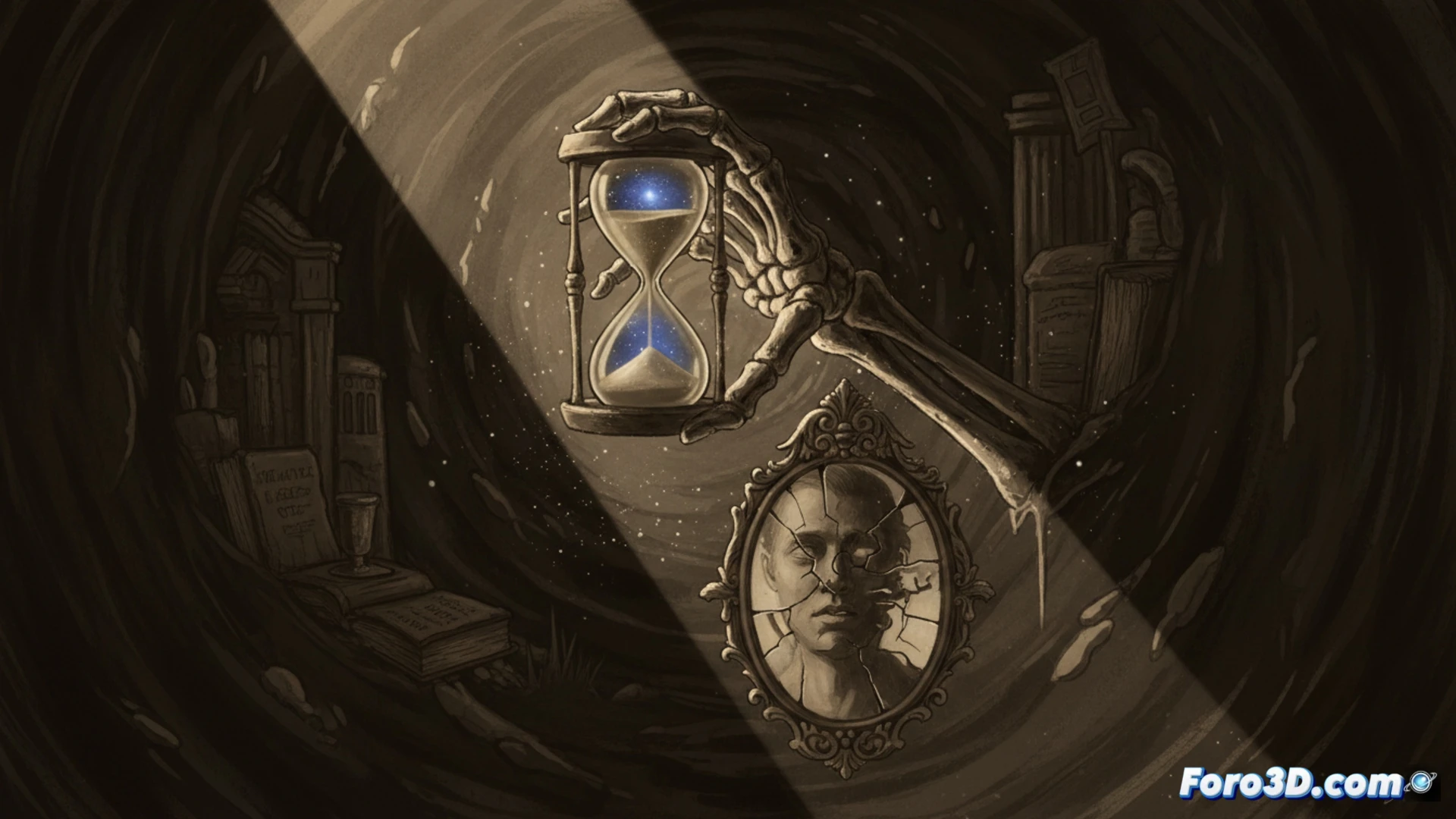
Plastic Techniques as Protocols for Visualizing the Abstract 🎨
Chiaroscuro, the master technique of the Baroque, is reinterpreted as a fundamental visual algorithm. Its protocol, the violent contrast between light and shadow, is the code that executes the central theme: the struggle between presence and absence, life and void. This logic extends to other media. Photographs freeze moments destined to disappear, acting as memory buffers. Installations create immersive spaces where the viewer physically navigates the idea of loss. This approach is analogous to the use of 3D environments or VR to simulate memory or absence, where the polygon and pixel replace the brushstroke, but pursue the same goal: to create an experiential model of an abstract concept, making the work a test space emotional and philosophical.
Contemplative Activism: Reflection as Social Action ⚖️
In contrast to explicit protest activism, Clair obscur proposes a contemplative activism. Its social action lies in slowing down perception and forcing an intimate confrontation with mortality, a universal theme underlying all contemporary crises. By making the evanescent tangible, art performs an essential critical function: questioning our place in the cycle of existence. In a digital world saturated with ephemeral presence, this exhibition uses both traditional and contemporary media to hack our consciousness, reminding us that deep reflection on the finite is, in itself, a political and revolutionary act.
Do you think technology helps make causes visible or dehumanizes them?