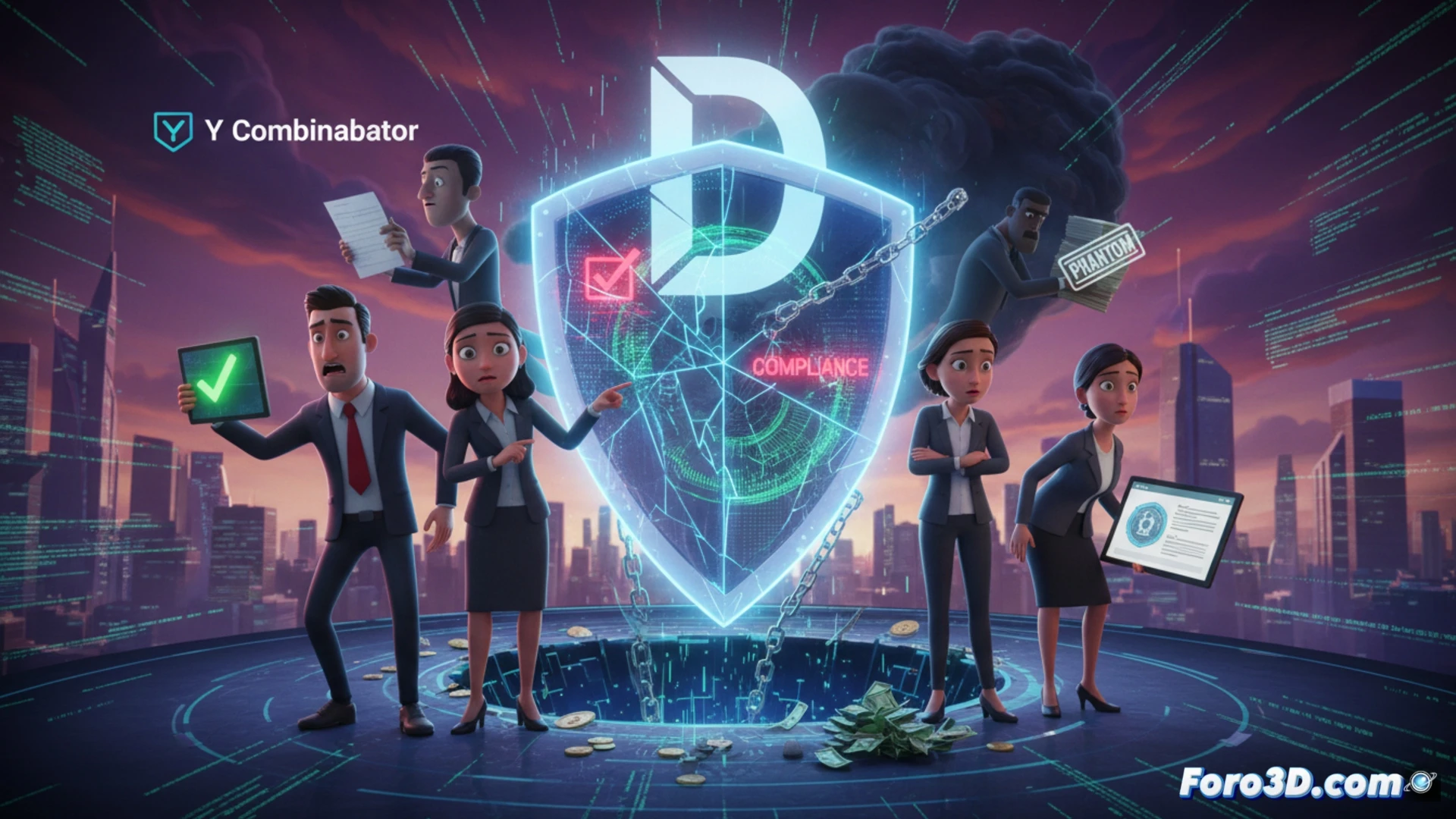
The startup Delve, backed by Y Combinator and valued at 300 million dollars, faces serious accusations of massive fraud. An anonymous whistleblower alleges that the company deceived hundreds of clients, falsely assuring compliance with regulations like HIPAA and GDPR, exposing them to severe fines. The accusations detail the fabrication of evidence, the use of ghost auditing firms, and the publication of fake certifications. If confirmed, this scandal could erode trust in the entire automated compliance sector. 🔥
The opacity of the process: where automated certification systems fail 🕵️
The core of Delve's alleged fraud lies in the opacity of the certification process. According to the accusations, the company generated evidence of processes that never occurred and used auditors who stamped reports without real review. This exposes a critical vulnerability in some compliance-as-a-service models: the black box. When the client cannot independently and transparently verify each step of the audit process, from data collection to the issuance of the opinion, the system lends itself to abuse. The lack of traceability and verifiable checkpoints by third parties turns the certificate into a hollow document.
Lessons for the future: transparency and digital twins of processes 💡
This case must drive an evolution toward greater technological transparency. The solution is not to abandon automation, but to integrate tools that offer irrefutable visibility. Digital twins of processes, which create a real-time audited replica of compliance controls, or audit dashboards with granular access to primary evidence, could be key. The lesson is clear: trust in digital compliance cannot depend on faith in a provider, but on the continuous and objective verification capacity that the technology itself must enable.
What visual metrics would you use to audit regulatory compliance processes?