Before embodying Raylan Givens in Justified or Harry Bosch in Bosch, Timothy Olyphant and Titus Welliver went through the creative crucible of Deadwood. This HBO series, a western with Shakespearean language, was much more than a critical success. It functioned as a fundamental launchpad, a space where both actors could develop and refine the contained intensities and moral nuances that would later define their starring roles. Their time in the mining camp marked a turning point in their careers and in prestige television.
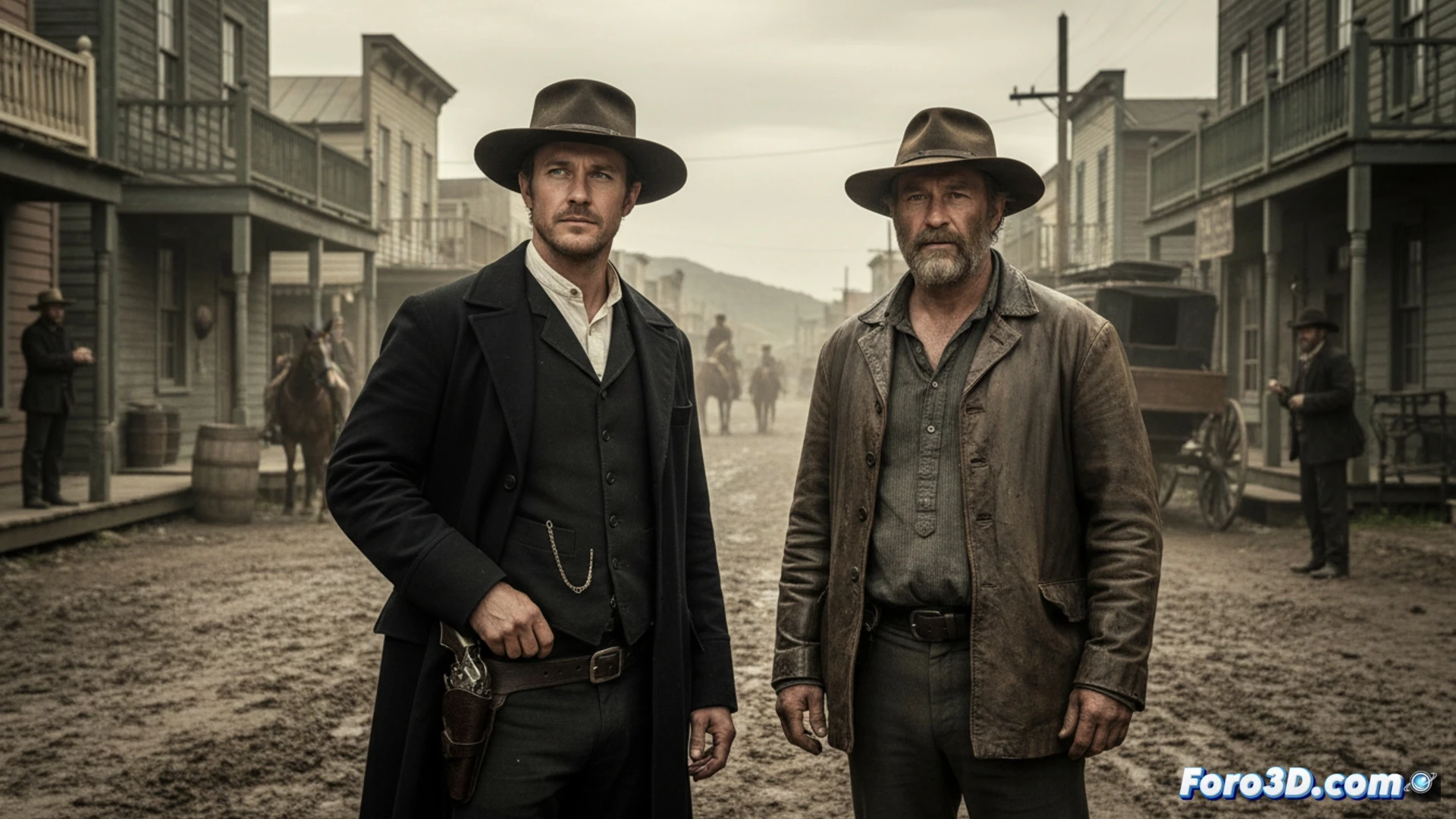
Production design as immersive narrative 🎨
Deadwood raised the visual standard of television by treating its set design and cinematography as central characters. The meticulous art direction, which recreated a muddy and chaotic mining camp, and the handheld camera cinematography that breathed along with the characters, established a new paradigm of immersion. This approach, where every shot communicates context and conflict, directly influenced subsequent prestige television. Series like Justified and Bosch inherited this philosophy, where the city or urban landscape are active environments. This level of detail now demands extensive 3D previsualization and production design work, planning every space to sustain the dramatic density that Deadwood helped normalize.
The legacy in acting craft and visuals 🏆
Deadwood's true legacy transcends its plot. It demonstrated that a series could be a high-level training ground for talent, both acting and technical. Olyphant and Welliver emerged from it with an interpretive background that would shape entire franchises. Beyond that, it consolidated a model where ambitious visual narrative is inseparable from character development. Its success proved that audiences valued this depth, paving the way for the technical and artistic complexity behind the camera to reach the importance it has today in television production.
How did Deadwood's visual language and narrative rhythm influence the construction of the subsequent iconic television characters of Timothy Olyphant and Titus Welliver?
(P.S.: Previz in cinema is like the storyboard, but with more possibilities for the director to change their mind.)